
Google and SpaceX Discuss Orbital Data Centers for Project Suncatcher, Wall Street Journal Says
Key Takeaways
- Google and SpaceX reportedly negotiating a rocket launch deal for orbital data centers.
- Google plans prototype satellites by 2027 under Project Suncatcher.
- SpaceX IPO preparations anchor discussions on orbital data centers for AI compute.
Google, SpaceX orbital talks
Google is reportedly in talks with SpaceX to launch orbital data centers as part of Google’s Project Suncatcher, with the Wall Street Journal first reporting the news on Tuesday morning.
“Elon Musk‘s rocket company, SpaceX and Alphabet Inc (NASDAQ:GOOGL) are reportedly negotiating a launch deal to put data centers into orbit”
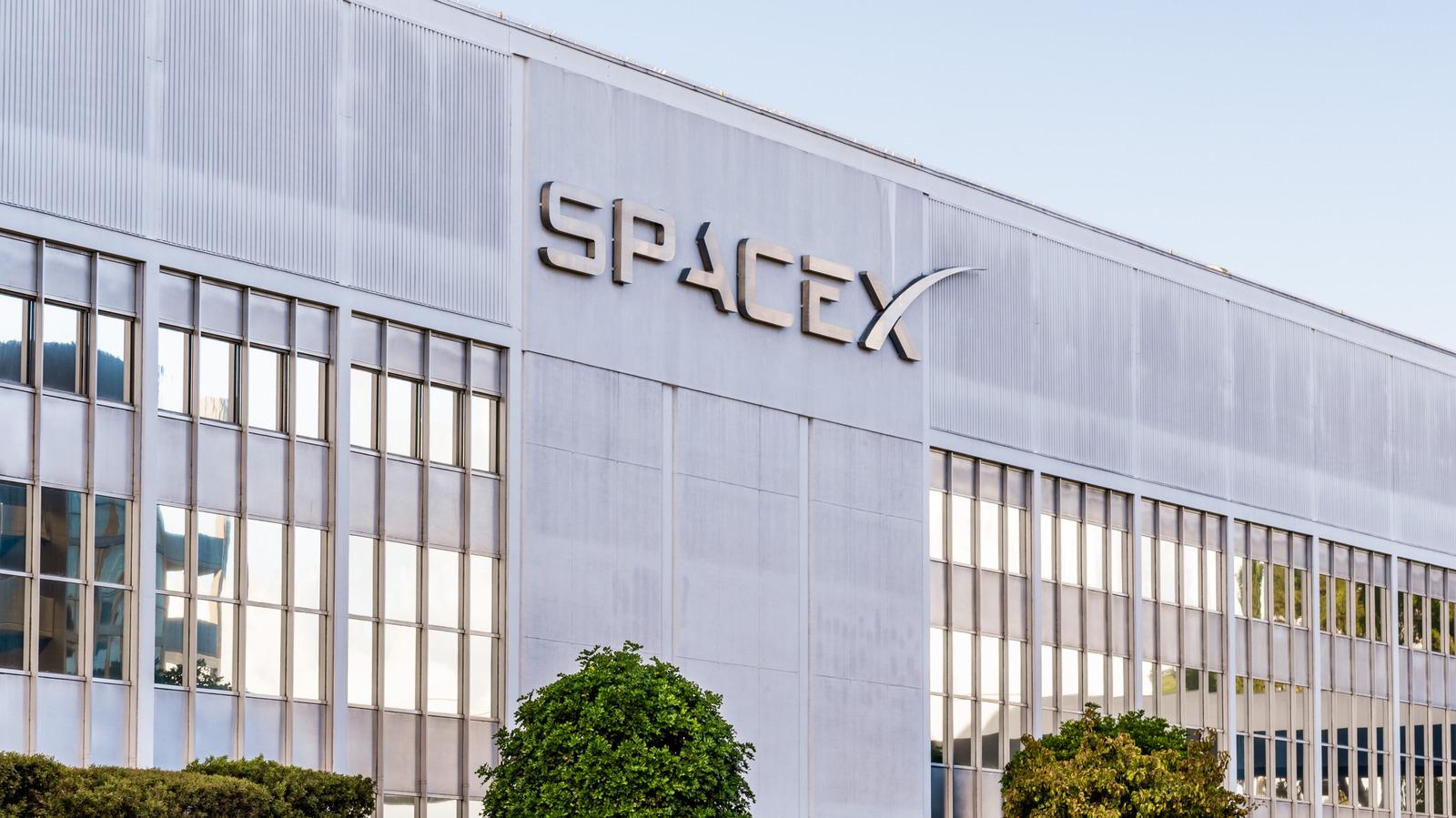
SpaceX filed with the FCC in January to launch up to one million data center satellites, and the plan is described as using solar-powered satellites carrying Tensor Processing Units to create what Google calls an orbital AI cloud.
The Wall Street Journal reported on May 12 that the discussions involve a rocket launch deal to deploy data centers in orbit, while SpaceX and Google “have commented on the report.”
The talks come as SpaceX prepares for a highly anticipated stock market debut, and the project is described as capital intensive and technologically challenging.
In the same reporting stream, SpaceX’s broader push is tied to its ambition to go public, while Google’s prototype effort is framed around launching satellites equipped with Tensor Processing Units by early 2027.
Power demand drives urgency
The partnership pitch is anchored in electricity demand, with Teslarati citing that global data centers consumed about 415 terawatt-hours (TWh) of electricity in 2024 and projecting the figure to more than double to around 945 TWh by 2030.
Teslarati also says AI-focused servers are growing at 30 percent annually, outpacing overall electricity demand growth by more than four times, and it adds that a single large AI training facility can draw as much power as 100,000 homes.
Musk’s case for orbital computing is quoted directly in Teslarati, including “Space has the advantage that it’s always sunny,” and “any given solar panel is going to give you about five times more power in space than on the ground.”
Engadget, meanwhile, reports that experts it spoke to in February expressed doubts about whether it’s possible to carry out AI inference in space at scale, citing that GPUs in satellites would face constant cosmic radiation.
Engadget also frames the engineering challenge as cooling in near-vacuum conditions, where “the only way to dissipate heat is to slowly radiate it out,” and it adds that putting millions of satellites in low Earth orbit could have detrimental effects on the planet’s atmosphere and spacecraft safety.
Hurdles, satellites, and timing
Even as the talks move forward, multiple sources highlight obstacles tied to operating in orbit, including radiation damage to chips, heat management, and space debris risks described in Cryptopolitan.
“Google is reportedly considering working with SpaceX on orbital data centers Google is in negotiations with SpaceX to secure the company's help in its own nascent effort to put orbital data centers in space, reports The Wall Street Journal”
Cryptopolitan quotes technical hurdles including heat management reaching 80 degrees Celsius and notes radiation damage to chips, while it also says low Earth orbit can safely hold only 240,000 satellites, making SpaceX’s one million plan difficult without a unified network.
Engadget adds that putting millions of satellites in low Earth orbit is “very likely to have extremely detrimental effects on the planet's atmosphere,” and it points to the risk to other companies and governments flying spacecraft safely.
On timing, Reuters-cited reporting in GV Wire says Google plans an initial prototype launch with partner Planet Labs around 2027, and it ties the effort to Google’s Project Suncatcher research effort to network solar-powered satellites equipped with Tensor Processing Units into an orbital AI cloud.
Cryptopolitan also says Google and SpaceX are racing to be first with data centers in space, while it links the push to SpaceX’s FCC filing and to Google’s plan to launch 80 data-processing satellites as soon as next year.
More on Technology and Science

Apple Rolls Out iOS 26.5 End-to-End Encrypted RCS Messaging Between iPhone and Android
11 sources compared
General Motors Lays Off 500 To 600 Salaried IT Employees In Austin And Warren
16 sources compared

Seventeen Americans Arrive in U.S. After Andes Virus Tests on MV Hondius
43 sources compared

Seventeen Americans Arrive From MV Hondius, One Tests Mildly PCR Positive for Andes Virus
15 sources compared