USA16 October, 20253 min read
Government Shutdown Paralyzes U.S. Federal Operations as Leaders Refuse to Compromise
Senate Democrats rejected a government funding bill for the 10th time over health care subsidy demands. Federal judge issued a restraining order blocking Trump administration from firing federal employees.
14 outlets told this the same way.
Outlets did split on Trump Interrupted by Protesters at San Antonio Rally for Ken Paxton →
U.S. Government Shutdown Dispute
With the shutdown entering its third week and threatening to become the longest in U.S. history, federal operations remain paralyzed as leaders refuse to compromise over extending Affordable Care Act premium tax credits. Polling shows blame is broadly shared: about 60% of Americans hold President Trump and congressional Republicans largely responsible, while 54% assign similar blame to Democrats. Half of Americans attribute significant responsibility to Trump.
“The shutdown, now in its third week and potentially the longest in history, stems from a standoff over extending Affordable Care Act tax credits favored by Democrats, which Republicans refuse to negotiate until the government reopens.”
Republicans are refusing to negotiate on ACA subsidies until the government reopens, a stance linked to a failed GOP continuing resolution that Democrats opposed mainly over the tax-credit extension. Public attention is high, yet many remain unclear on the core dispute.

Impact of Federal Shutdown
The shutdown’s fallout is widening, affecting many aspects of government operations. Unpaid federal workers face increasing hardship and flight delays. More than 750,000 employees are furloughed while essential staff remain on duty.
Some Social Security operations are constrained even as benefit payments continue. A federal judge halted the administration’s plan to fire thousands of workers. This emergency order is described by some accounts as a temporary restraining order against politically motivated mass firings.
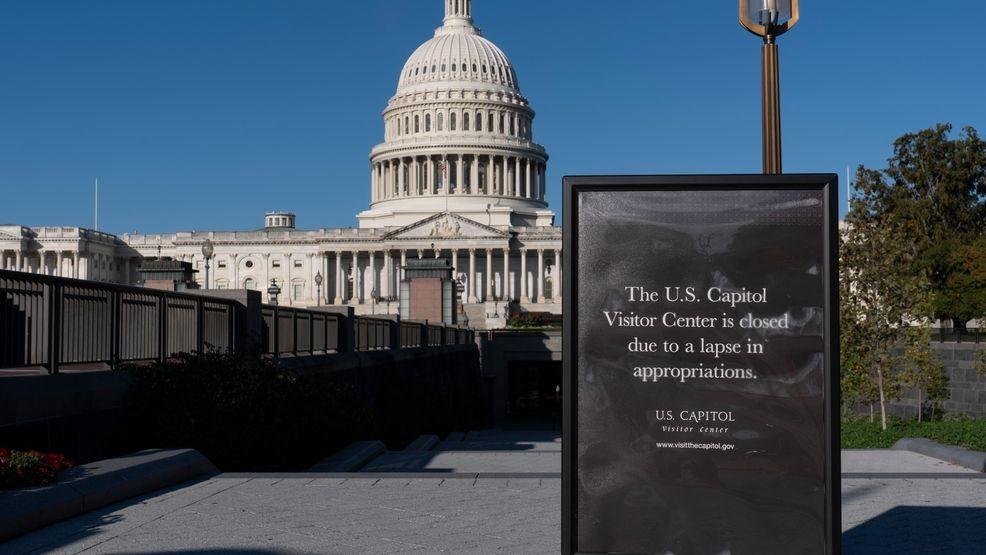
Routine federal functions are slowed or paused. Key economic data releases are delayed, compounding uncertainty.
Government Shutdown Standoff
On Capitol Hill, Republican leaders led by Senate Majority Leader John Thune are refusing to reopen the government until Democrats agree on terms. Thune has offered a guaranteed vote on ACA subsidies as part of an endgame, but House Minority Leader Hakeem Jeffries has not confirmed acceptance. Senate efforts to pass funding have repeatedly failed, with the latest vote falling 51–45, short of the 60 votes needed.
“Senate Majority Leader John Thune has offered a guaranteed vote on ACA subsidies to end the shutdown, urging Democrats to accept, but House Minority Leader Hakeem Jeffries has not confirmed this.”
Senator Rand Paul was the only Republican opposing that measure. Democrats have rejected GOP proposals including defense funding and military pay bills. President Trump signed an order ensuring military pay continues during the shutdown.
Outside the votes, the administration is applying pressure by freezing billions for infrastructure in Democratic-led states. This move is tied to disputes over contracting and diversity policies.
Health Policy Funding Dispute
At the core of the stalemate is health policy. Enhanced ACA premium tax credits are set to expire. Estimates predict premiums will jump by 114% next year, especially for those earning above 400% of the poverty level, if no deal is reached.
Democrats prioritize resolving expiring health insurance subsidies and potential Medicaid cuts. Some moderates oppose reopening the government without healthcare solutions.

Republicans refuse to negotiate extensions until the government reopens. Democrats’ resistance to the latest GOP funding measure was mainly over the ACA tax-credit extension.
Public Views on Government Shutdown
Public opinion reflects both intensity and uncertainty regarding the government shutdown. Most Americans see the shutdown as a serious problem, and at least three-quarters believe each party deserves some responsibility. Roughly half of the population blames Trump the most for the situation.
“A new AP-NORC poll reveals that most Americans view the ongoing government shutdown as a serious problem... Public frustration is highest toward the party in power, with half of Americans attributing significant responsibility to Trump.”
However, 42% say they have no opinion on the core tax-credit issue. The AP-NORC survey’s margin of error is about plus or minus 3.8 points. Some media coverage warns the stalemate could produce the longest shutdown in history.

Others note the length of the shutdown is still uncertain. The episode has not significantly shifted public views ahead of the 2026 midterm elections.