Full Analysis Summary
Impunity for Journalist Attacks
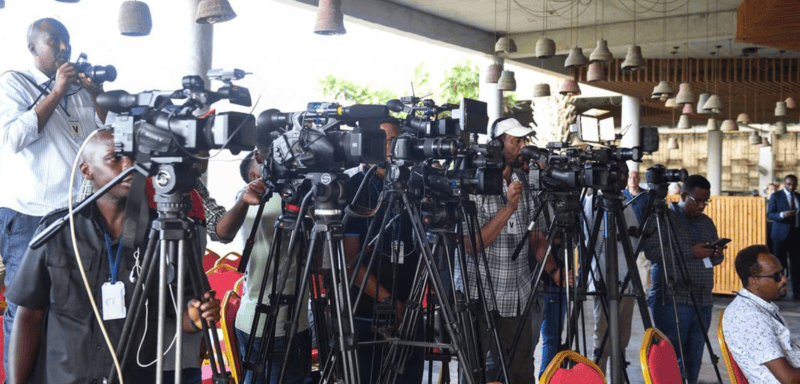
Human rights groups, media organizations, and the UN Secretary‑General warn that impunity for attacks on journalists is entrenched worldwide.
Governments are urged to investigate crimes and prosecute perpetrators.
Nearly 90% of journalist killings remain unresolved.
This crisis is underscored by Gaza being described as the deadliest conflict zone for media professionals.
Advocates link this impunity to wider democratic erosion and chilling effects on press freedom.
The International Day to End Impunity for Crimes Against Journalists (November 2) provides a formal UN‑recognized moment to press states for concrete action against impunity.
Coverage Differences
scope and focus
The Eastleigh Voice (Local Western) presents a global framing and specifically highlights Gaza as “the deadliest conflict zone for media professionals,” while also stressing the need to protect women journalists from rising online and offline threats. In contrast, Dabanga Radio TV Online (Other) centers on Sudan’s information blackout and legal rights frameworks, referencing Article 19 and the UN resolution that established November 2 as the International Day to End Impunity for Crimes against Journalists. The Eastleigh Voice also quotes Guterres’ warning about threats to democracy, whereas Dabanga foregrounds the legal and institutional levers to combat impunity.
tone and urgency
The Eastleigh Voice (Local Western) warns—via Guterres’ statements—that impunity “undermines press freedom, encourages violence, and threatens democracy,” projecting institutional urgency and consequences for democratic systems. Dabanga Radio TV Online (Other) frames urgency through the lens of survival and rights, stressing the need for independent media to deliver “life‑saving information,” particularly in Sudan’s restrictive environment.
Sudan Media Freedom Challenges
In Sudan, the information crisis shows how attacks on journalists and media restrictions prevent the public from receiving accurate, potentially life-saving updates.
Dabanga Radio TV Online reports that Sudan ranks 149th out of 180 countries in the 2024 Reporters Without Borders Press Freedom Index.
This low ranking is linked to severe limitations on independent media and citizens’ right to information as outlined in Article 19 of the Universal Declaration of Human Rights.
These issues correspond with global appeals for governments to protect journalists—especially women—amid increasing threats both online and offline.
Coverage Differences
narrative emphasis
Dabanga Radio TV Online (Other) frames the issue around access to information and survival, citing Article 19 and Sudan’s RSF ranking to show how repression translates into daily risks for civilians. The Eastleigh Voice (Local Western) emphasizes the broader democratic stakes and institutional accountability, highlighting calls for investigations and the particular vulnerability of women journalists to escalating online/offline threats.
Risks and Accountability for Journalists
Advocates argue that the accountability gap fuels further violence.
With nearly 90% of journalist killings going unresolved, perpetrators learn that silencing reporters carries few consequences.
The UN Secretary‑General’s warning that impunity threatens democracy reinforces calls for thorough investigations and prosecutions.
Civil society groups stress that protection measures must address both physical dangers and escalating online harassment, particularly targeting women.
Sudan’s predicament and Gaza’s designation as the deadliest conflict zone for media professionals are cited as stark indicators of worldwide risk.
Coverage Differences
missed information and detail
The Eastleigh Voice (Local Western) provides global statistics and conflict‑specific context (Gaza) alongside a call for prosecution, but does not delve into country‑by‑country rankings or legal instruments. Dabanga Radio TV Online (Other) fills that gap by citing Sudan’s precise RSF ranking and international legal frameworks (Article 19; UNGA Resolution A/RES/68/163), but does not single out Gaza or provide a global percentage of unresolved killings.
Global Efforts Against Impunity
International frameworks exist but enforcement lags.
UN General Assembly Resolution A/RES/68/163 established November 2 as the day to end impunity and urged member states to take concrete action.
Rights groups are reiterating that appeal amid ongoing killings and threats.
The Eastleigh Voice reports coordinated calls on governments to investigate attacks and hold perpetrators accountable.
Dabanga underscores how, without free and independent media grounded in Article 19 protections, societies—from Sudan to conflict zones—are deprived of crucial, sometimes life‑saving information.
Coverage Differences
geography and examples
The Eastleigh Voice (Local Western) situates the issue within a global panorama, naming Gaza as the deadliest conflict zone for media workers and amplifying Guterres’ institutional warnings. Dabanga Radio TV Online (Other) localizes the crisis through Sudan’s media restrictions and low press‑freedom ranking, connecting the global impunity problem to concrete national realities and rights‑based remedies.