Technology and Science29 July, 20262 min read
Two Firefighters Die on Crete as Wildfires Worsen Across Southern Europe
This article is an automated aggregation of coverage from news outlets. Our editorials offer in-depth analysis curated by the NewsCord team.
Two firefighters died fighting a Crete wildfire, trapped inside their vehicle. A third firefighter died in Gytheio, Peloponnese, during another firefighting operation.
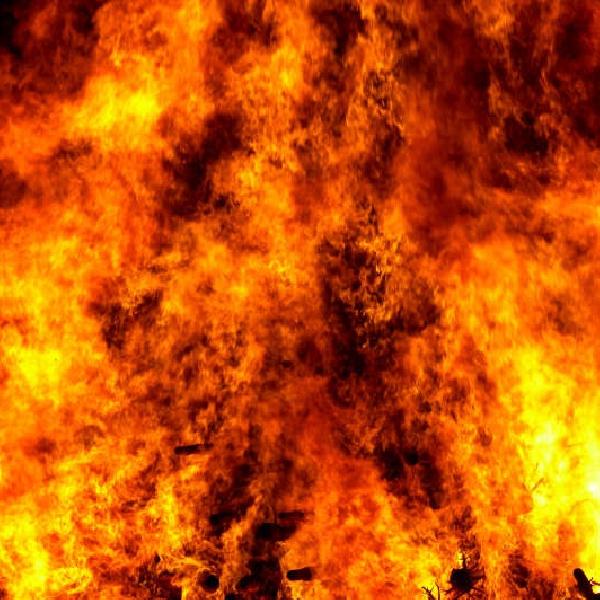
Crete firefighters die
Two firefighters died on the Greek island of Crete while battling wildfires as heat, drought and winds worsened blazes across southern Europe. The ABC News & Headlines report said the deaths on Crete, on Wednesday local time, came as an uncontained wildfire four times the size of Paris threatened to surge again in southwest France.
AP said the deaths on Crete brought a fatal new dimension to a wildfire emergency stretching from the Atlantic coast to the eastern Mediterranean. In Greece, Kathimerini reported that the latest fatality was in Gytheio, where a firefighter was found dead by colleagues while carrying out firefighting operations in the Ageranos area of East Mani.
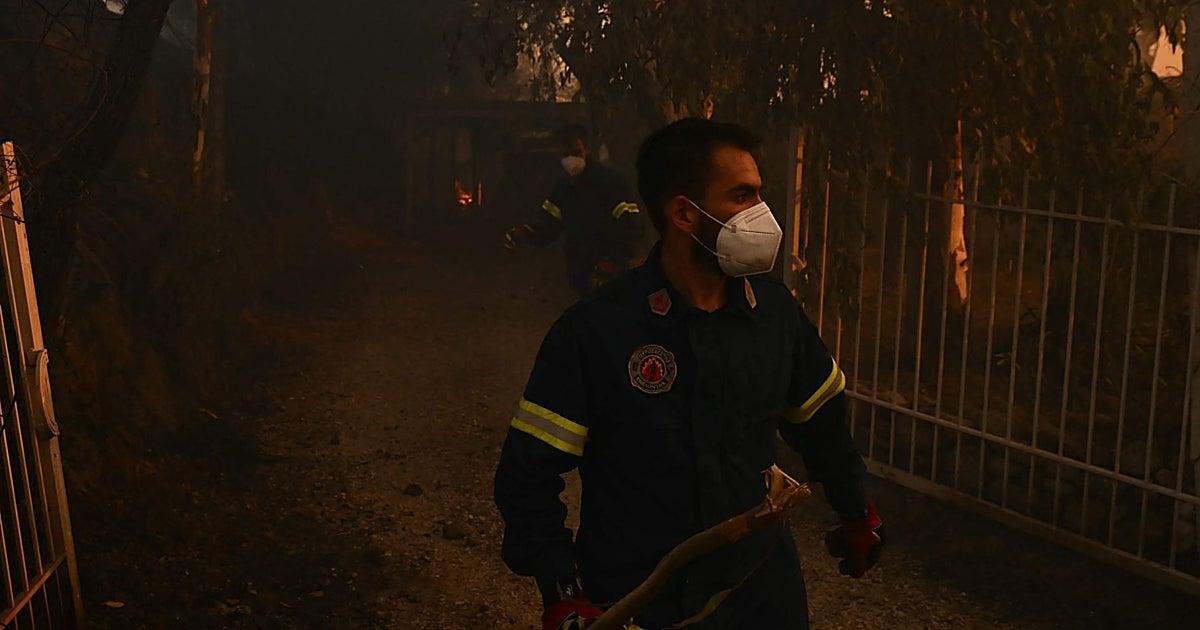
Evacuations and competing details
In Crete, eKathimerini said authorities ordered the evacuation of at least eight villages as adverse weather conditions were forecast to persist for at least another day. Kathimerini also reported that earlier on Wednesday two firefighters were killed in southern Rethymno, Crete, after the pair became trapped inside their fire engine after flames surrounded the vehicle.
Anadolu Ajansı said the two firefighters were found dead inside their vehicle in the Nea Krya Vrysi area of Rethymno after apparently being trapped by the flames. The ABC News & Headlines account described the French response as involving more than 2,200 firefighters and over 20 aircraft, while AP said the Gironde blaze had not spread during a calm night before winds strengthened.
What’s at stake next
In France, ABC News & Headlines said the Gironde fire forced 220,000 people to flee at the peak of the crisis, and Gironde prefect Sophie Brocas said, "We're not out of the woods." AP similarly reported that at the peak of the evacuations, a third of a million people were driven from homes and vacation sites in France and Spain.
In Greece, Kathimerini said the Rethymno fire spread rapidly in strong winds, forcing authorities to issue multiple evacuation orders through Greece's 112 emergency alert system. The Guardian reported that more than 330,000 people in southern Europe had been forced to flee their homes and hotels, and it quoted the Spanish prime minister, Pedro Sánchez, saying the situation near the capital was improving but that it was the first time in Spanish history that a wildfire had been raised to "operational level 3".