
Technology and Science · 01 July, 2026 · 3 min read
Glasgow QEUH Patient Tests Negative for Ebola After Precautionary Screening
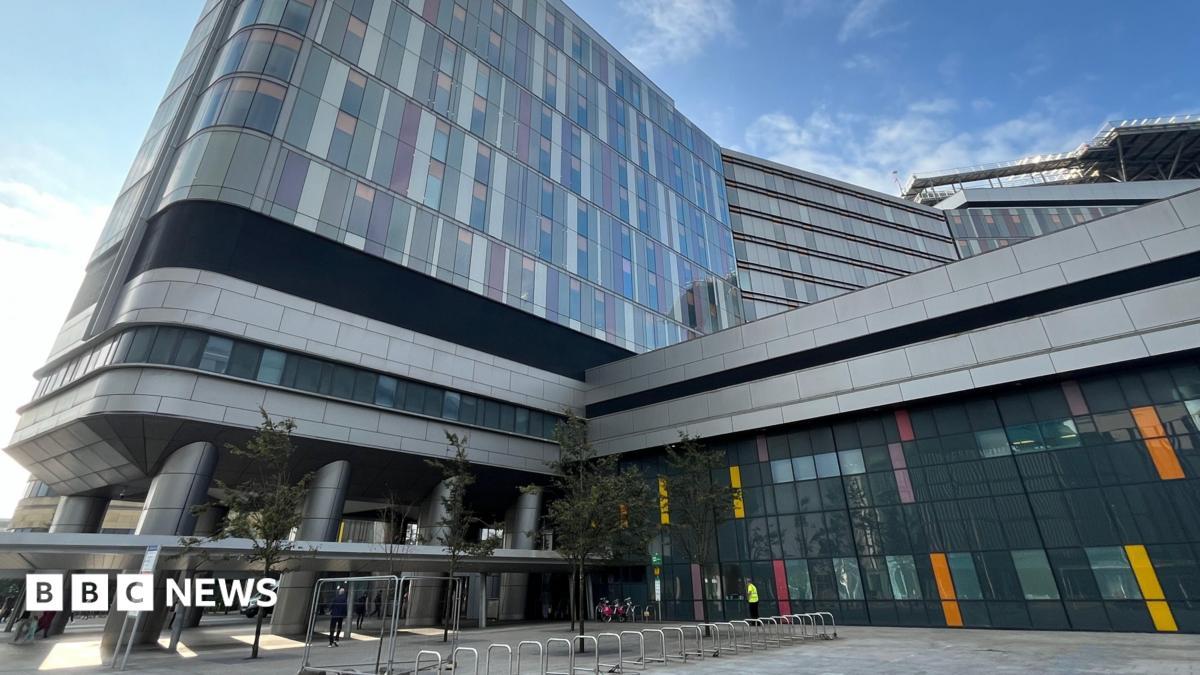
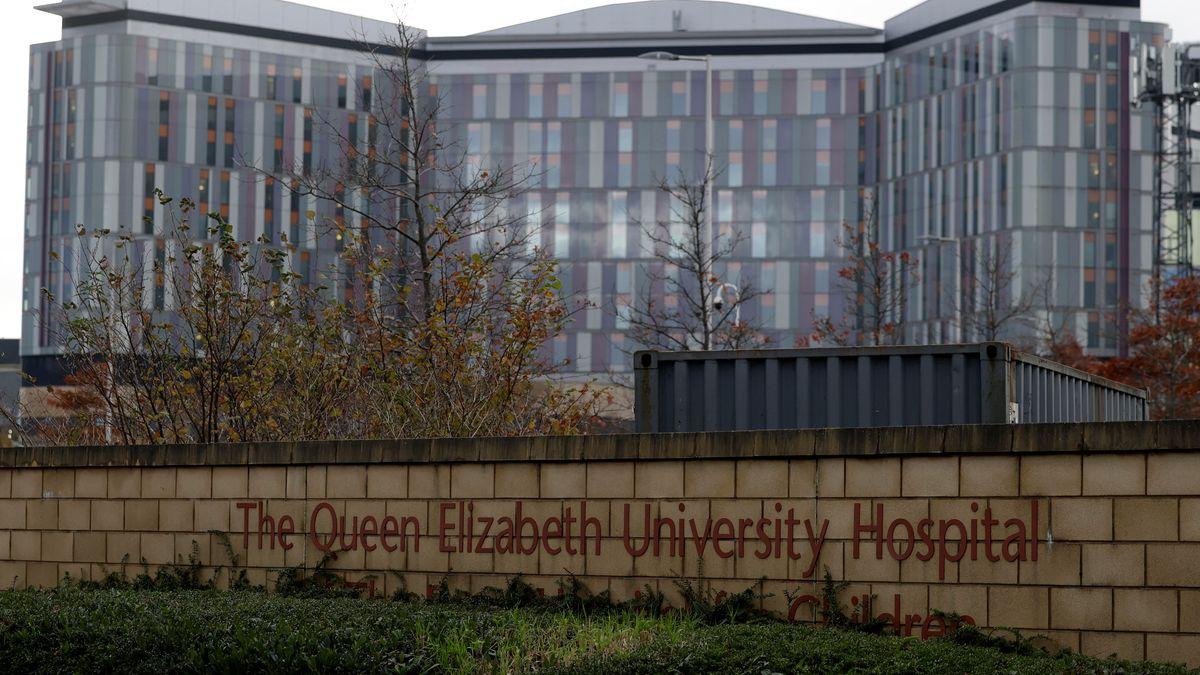
A patient at Queen Elizabeth University Hospital in Glasgow tested negative for Ebola. Precautionary measures were taken and the hospital was partially locked down.
How hospitals were affected during the scare.
5 of 6 outlets skipped it: BBC reports Ebola isn’t airborne..
8outlets compared
Same story, two versions
tap a side to read it in full
Daily Record
“Acute Receiving Unit was quickly sealed off to members of the public.”Read the original ↗
Some reports imply a broader shutdown than others.
Glasgow Ebola Test
A patient admitted to the Queen Elizabeth University Hospital in Glasgow in the early hours of Tuesday was tested for Ebola as a precautionary measure and the test result has now been received and is negative. Public Health Scotland said it was aware that an individual in Scotland was tested for Ebola as a precautionary measure, and a spokesperson added, “The test result has now been received and is negative.”
“The test result has now been received and is negative.”
The BBC reported that precautionary measures were taken after the patient was admitted to the Queen Elizabeth University Hospital in the early hours of Tuesday, and it said that if confirmed it would have been the first case in the UK since an outbreak in the Democratic Republic of Congo and Uganda in May. BPublic Health Scotland also said there are “no confirmed cases of Ebola” in Scotland right now, and it described well-established protocols for assessing and testing travellers arriving in the UK from areas affected by Ebola where necessary.
Protocols and Schemes
Public Health Scotland said it was working closely with UKHSA to assess routes by which travellers may enter the UK from affected countries, and it said the risk from people arriving in the UK from affected areas is low. In the same statement, Public Health Scotland said, “Where required, contact tracing will occur and contacts may undergo clinical assessment and precautionary testing.”
The BBC reported that Public Health Scotland confirmed the UKHSA Returning Workers Scheme (RWS) had been activated after it was made aware of the suspected case, and it said organisations deploying workers to affected areas where they may be exposed to Ebola through their work should register them with the scheme. BThe Daily Record added that the Acute Receiving Unit was quickly sealed off to members of the public after the patient was understood to have presented at the hospital around 6am on Tuesday, June 30, before Public Health Scotland confirmed on Tuesday night that the person had tested negative.D
Global Context and Risk
The Herald said there have been almost 700 confirmed cases of bundibugyo Ebola virus, the majority of which are in the Democratic Republic of Congo, and it said some 138 people have died, including two in neighbouring Uganda. It also said that if confirmed, it would have been the first case in the UK since the outbreak in the DRC was declared a public health emergency of international concern by the World Health Organisation (WHO), and it noted the UK has committed up to £21 million to support the local response to Ebola in DRC.
The BBC said the outbreak in Africa has been declared a public health emergency of international concern by the World Health Organization (WHO), and it reported that Public Health Scotland said it was aware the individual in Scotland was tested for Ebola as a “precautionary measure.” BThe Herald quoted Dr Edmund Newman, director of the UK Public Health Rapid Support Team at UKHSA, saying, “This deployment will help strengthen the existing response to the Ebola outbreak in the DRC and across the region,” with experts in epidemiology, risk communications and community engagement, infection prevention and control and data modelling now on the ground.