Africa26 November, 20252 min read
Guinea-Bissau Military Stages Coup, Installs Gen. Horta N'Tam as Head of Transitional Government
Military officers seized control in Bissau and detained President Umaro Sissoco Embaló Junta suspended the electoral process, halted vote results, closed borders and imposed curfew
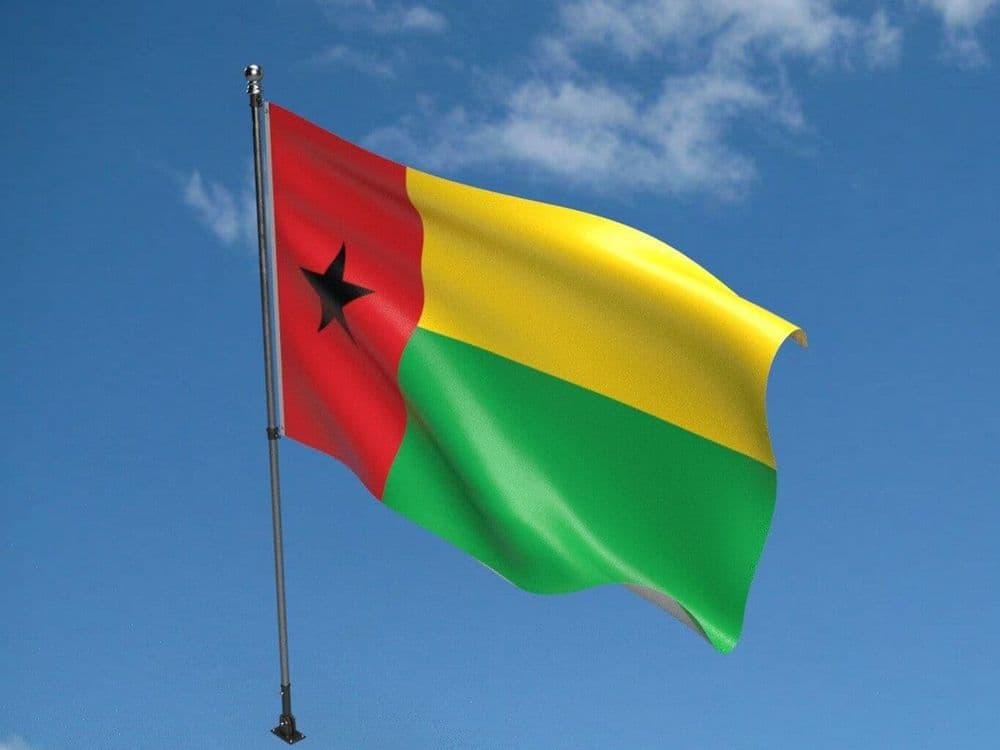
24 outlets told this the same way.
Guinea-Bissau takeover summary
In late November 2025, a group of army officers in Guinea-Bissau seized power and installed General Horta N'Tam as head of a transitional military government. They announced a 'High Military Command for the Restoration of Order' to oversee a one-year transition. State television and junta statements said they had deposed President Umaro Sissoco Embaló and suspended state institutions and the electoral process as provisional results were due.
“General Horta N'Tam was sworn in as transitional president of Guinea-Bissau on 27 November 2025, the army said, a day after military officers deposed President Umaro Sissoco Embalo.”
Officials framed the move as a temporary restoration of order. Across multiple reports, the takeover was presented as immediate and formal, with outlets using slightly different spellings of the new leader's name and similar descriptions of a 12-month transition.

Guinea-Bissau unrest update
Reports describe chaotic scenes in the capital Bissau: witnesses and journalists reported sustained gunfire near the presidential palace, the national electoral commission and other central sites as soldiers sealed roads and imposed checkpoints, curfews and media blackouts. Multiple outlets said electoral offices were sealed and that key figures — including the electoral commissioner and opposition leaders — were detained; others reported that President Embaló was briefly detained and later said he had been deposed, while at least one outlet reported he had left the country for Senegal. Some regional sources also noted that borders were closed temporarily and then reopened within 24 hours.
Contested election and coup
The coup occurred amid a contested presidential vote, with both President Embaló and opposition candidate Fernando Dias claiming victory in the delayed election as provisional results were due. Media and observers reported the vote count had been halted.
The military justified its action by alleging a destabilisation plot involving politicians and drug traffickers and said it had uncovered schemes to manipulate results, while civil society groups and some opposition figures countered that the move was a staged or 'simulated' coup designed to block the announcement of results. Observers from the African Union and ECOWAS were reportedly in the capital and later urged a return to the electoral process.
Regional and international responses
Regional and international reactions were swift: the African Union and ECOWAS condemned the takeover and urged restoration of constitutional order. Countries including Portugal, Qatar, Ghana and Nigeria voiced disapproval, and the UN secretary-general called for restraint.
ECOWAS convened emergency talks, and observers in the capital were reported to press for the resumption of the vote count. Some regional outlets reported immediate diplomatic and protective measures, and Nigeria said it was working to ensure the safety of its nationals while condemning the coup.

Coup context and risks
Analysts and many reports situate the coup in Guinea-Bissau’s long history of political instability and its reputation as a drug-trafficking transit point, warning the takeover risks deepening governance vacuums exploited by criminal networks.
“The takeover comes amid Guinea-Bissau’s long-standing political instability and drug‑trafficking problems and reflects a regional trend of military interventions following disputed elections.”
Commentators also linked the episode to a wider West African pattern of military interventions after disputed elections, suggesting the event could prolong instability and complicate efforts to restore civilian rule.
