Full Analysis Summary
U.S.-Iran nuclear talks
Gulf states brokered last-minute U.S.-Iran nuclear talks in Muscat, Oman after Iran and the United States clashed over the meeting's agenda and venue.
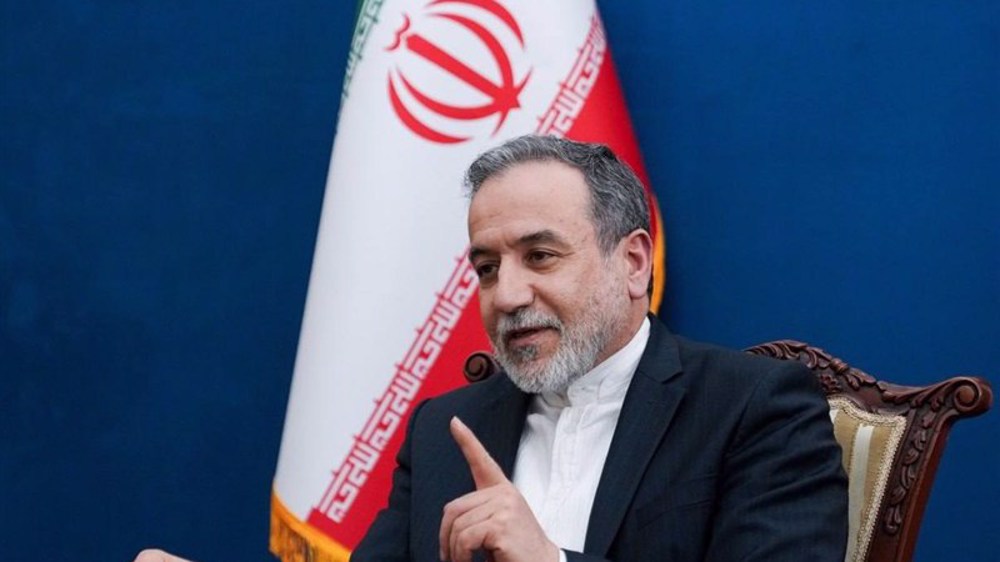
Iranian Foreign Minister Abbas Araghchi announced the discussions would take place on Friday in Oman.
Tehran pushed for a narrower, bilateral meeting focused solely on its nuclear programme and moved the planned talks from Turkey to Oman.
The Trump administration, though very skeptical the talks will succeed, agreed to attend after pressure from Arab and Muslim partners.
U.S. envoy Steve Witkof is reported to be scheduled to meet Iranian officials.
Iran is expected to send Araghchi to lead its delegation.
Coverage Differences
Tone and emphasis
BusinessLine (Other) emphasizes procedural moves and U.S. skepticism — quoting that the Trump administration is “very skeptical” but agreed to participate after regional pressure — and details the venue change from Turkey to Oman; Al-Jazeera Net (West Asian) focuses on the likely Muscat location and quotes the White House saying the U.S. prefers diplomacy while keeping military options on the table; PressTV (West Asian) frames the meeting as centered in Muscat with Araghchi leading and stresses Iran’s framing of the talks as focusing on peaceful nuclear activity and sanctions relief. These differences show BusinessLine foregrounds U.S. skepticism and venue logistics, Al-Jazeera stresses U.S. balancing of diplomacy and force, and PressTV highlights Iran’s diplomatic posture and leadership.
Negotiations agenda disagreement
A key source of friction between Tehran and Washington is the scope of the agenda.
Iran insists on limiting discussion to its nuclear programme and sanctions relief.
U.S. officials seek to widen talks to include ballistic missiles, support for regional proxies and human-rights issues.
BusinessLine reports Tehran pushed for a narrower, bilateral meeting focused solely on its nuclear programme.
U.S. figures, from Senator Marco Rubio to administration spokespeople, have suggested raising Iran’s missile capabilities, proxy networks and human-rights record.
Al-Jazeera cites Reuters that Iran wants talks limited to the nuclear file while Washington aims to add missile and proxy issues to the agenda.
PressTV frames the discussions as centering on Iran’s peaceful nuclear programme and sanctions relief, reflecting Tehran’s stated priorities.
Coverage Differences
Narrative focus/Contradiction
BusinessLine (Other) and Al-Jazeera Net (West Asian) both report the agenda clash — Iran wanting a nuclear-only discussion and the U.S. seeking to expand to missile and proxy matters — using reporting and quoted officials; PressTV (West Asian) represents Iran’s framing by reporting the talks as “focusing on Iran’s peaceful nuclear program and sanctions relief.” The sources thus differ between reporting the dispute (BusinessLine and Al-Jazeera) and presenting Iran’s preferred narrative (PressTV). When PressTV reports the talks focusing on peaceful nuclear activity, it is reporting Iran’s stated position rather than an independent verification that the U.S. accepted that limitation.
Diplomatic talks amid Iran tensions
The talks occur against a backdrop of heightened tensions that each source emphasizes differently.
BusinessLine places the negotiations amid Iran’s violent crackdown on nationwide protests and President Trump’s threats of possible military action, and it details recent military incidents including a U.S. Navy jet shooting down an Iranian drone, Revolutionary Guard boats attempting to intercept a U.S.-flagged ship, and Iran showcasing the Khorramshahr missile.
Al-Jazeera notes the U.S. prefers diplomacy while keeping other options, including military action, on the table, and reports that U.S. envoy Witkof met Israeli leaders who reportedly demanded stringent limits such as barring enrichment and removing existing enriched stockpiles.
PressTV foregrounds Araghchi’s sharp criticism of German Chancellor Friedrich Merz, accusing him of political naivety and of celebrating Israel’s June 2025 strike that killed more than 1,000 Iranians, which illustrates Tehran’s heightened rhetoric and regional grievances.
Coverage Differences
Tone and severity
BusinessLine (Other) emphasizes state-level incidents and domestic crackdown as the immediate security backdrop; Al-Jazeera Net (West Asian) underscores U.S. strategic posture and Israeli demands reported to Witkof; PressTV (West Asian) prioritizes Tehran’s combative rhetoric toward external actors such as Germany and Israel, citing Araghchi’s accusations. The sources therefore differ in which tensions they foreground — internal repression and military brinkmanship (BusinessLine), diplomatic balancing and Israeli pressure (Al-Jazeera), or diplomatic-political blame toward European leaders and Israel (PressTV) — and each report their respective claims or quotes rather than asserting additional independent facts.
Gulf and regional mediation
Gulf and regional actors appear to have played a decisive diplomatic role in salvaging the meeting amid mutual suspicion.
BusinessLine reports the U.S. attendance followed pressure from Arab and Muslim partners and notes Turkey's earlier role in trying to host the talks before they moved to Oman.
Al-Jazeera says Iran's Deputy FM Abbas Araghchi has been engaging regional states about hosting, and frames Gulf-state involvement alongside U.S. envoy meetings with Israeli leaders that underline regional stakes.
PressTV centers on Iran's regional messaging, highlighting Araghchi's public criticism of Western leaders like Germany's Merz and suggesting Tehran is leveraging regional ties and public diplomacy to shape the meeting's context.
Taken together, the sources show Gulf states and nearby capitals actively mediating while Washington and Tehran spar over scope and red lines.
Coverage Differences
Narrative emphasis/Unique focus
BusinessLine (Other) highlights the role of regional pressure on U.S. participation and the shift from Turkey to Oman; Al-Jazeera Net (West Asian) emphasizes Iran’s Deputy FM engaging regional states and frames Gulf involvement within broader diplomatic maneuvering (including meetings with Israeli leaders); PressTV (West Asian) uniquely foregrounds Araghchi’s critique of European leadership (Germany) and Tehran’s public diplomatic posture. These differences reflect each outlet’s focus: procedural and pressure dynamics (BusinessLine), broader diplomatic choreography and regional stakes (Al-Jazeera), and Iran’s political rhetoric and blame toward Western actors (PressTV).