Russia06 February, 20263 min read
Gunman Shoots Senior Russian General Vladimir Alexeyev Outside His Moscow Home
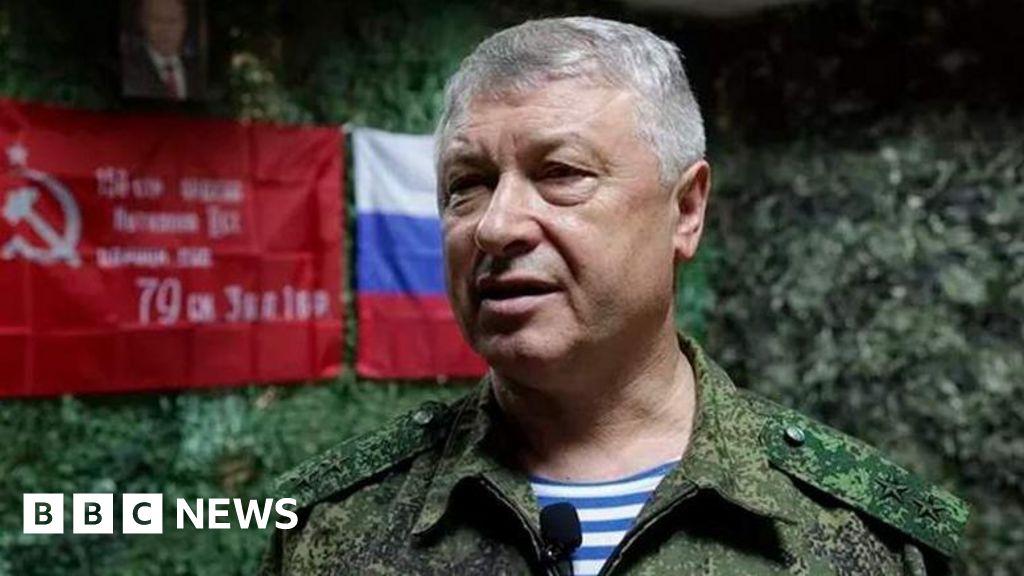
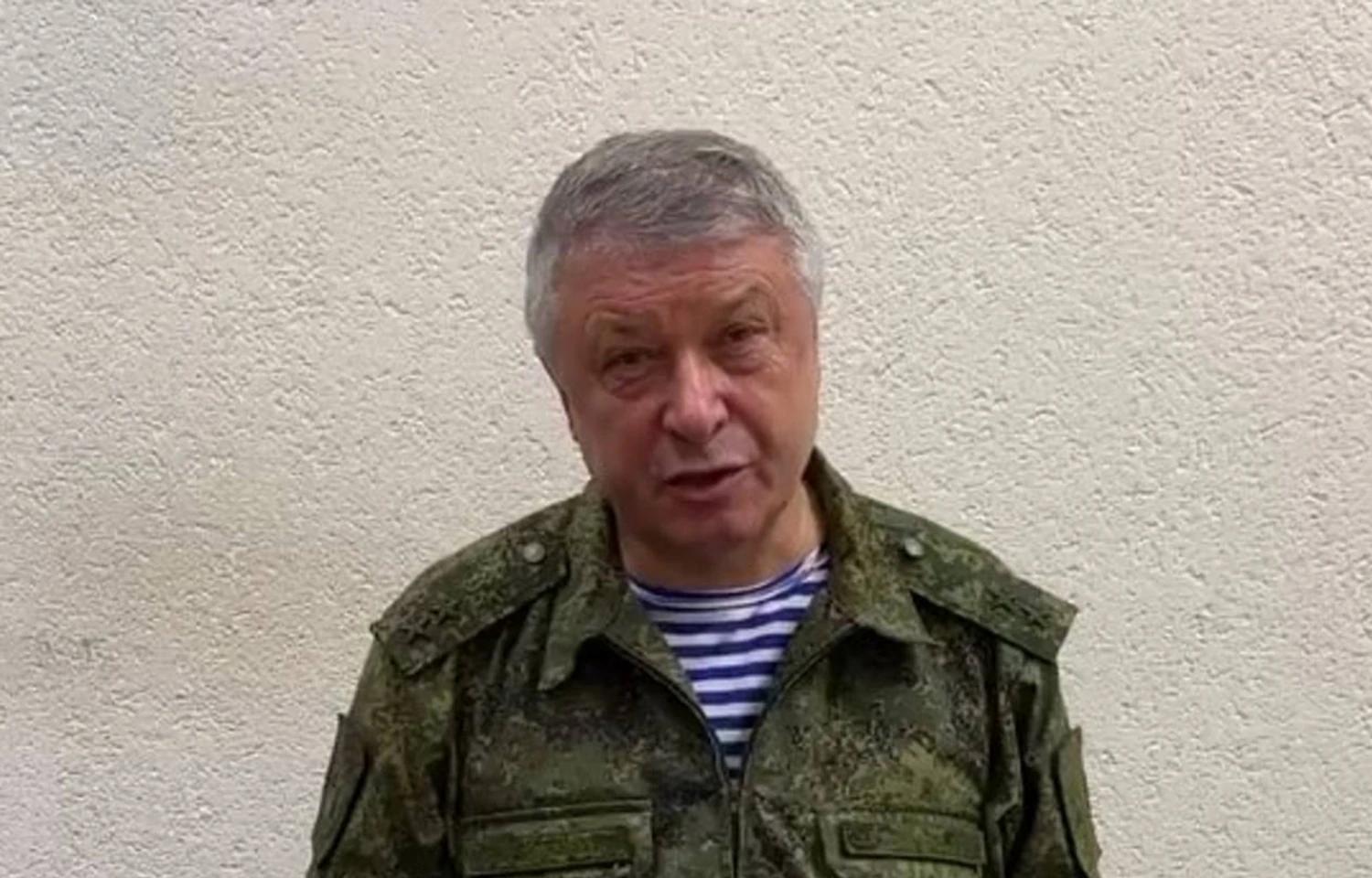
Lieutenant General Vladimir Alexeyev was shot in Moscow and rushed to hospital. Alexeyev is deputy chief of the Main Directorate of the General Staff, Russia's military intelligence.
12 outlets told this the same way.
Shooting of GRU deputy
On the morning of 6 February 2026, Lieutenant General Vladimir Alexeyev (also spelled Alekseyev/Alexeyev), deputy head of Russia’s military intelligence (the GRU), was shot several times outside or in the lobby of a residential building on Volokolamsk Highway in northwest Moscow and was rushed to hospital. His condition was reported as serious or unknown, investigators said an unknown assailant fled the scene, and an attempted murder case was opened. Multiple outlets reported the same core facts.
“A senior Russian officer, Lieutenant General Vladimir Alexeyev, was rushed to hospital after being shot several times on Friday outside a residential building in northwest Moscow, prosecutors said.”
The BBC reported he was shot several times, wounded in a residential block on Volokolamsk Highway in northwest Moscow, and taken to hospital with his condition unknown. The Daily Mail said he was shot several times in the back in the lobby of his Moscow apartment building on Volokolamsk Highway at about 7 a.m. on 6 February 2026. ABC reported he was shot several times at a residential building in northwest Moscow and rushed to hospital, citing state media and the Moscow prosecutor’s office.

Profile of GRU official Alexeyev
Alexeyev is consistently identified across sources as a senior GRU figure with a long operational record. He has been deputy chief of the Main Directorate of the General Staff since 2011. He was involved in intelligence operations in Syria.
He negotiated with Wagner leader Yevgeny Prigozhin during the June 2023 mutiny. He has been sanctioned by Western authorities over past operations such as the 2018 Salisbury nerve-agent attack. NDTV said he was second-in-command of the Main Directorate of the General Staff since 2011 and a 2017 Kremlin-awarded Hero of the Russian Federation.

Daily Mail noted he has been tied to reconnaissance for strikes in the war in Ukraine and is deputy head of the GRU. Straits Times and Asharq highlighted his role in negotiating with Prigozhin.
Attribution of officer killings
Sources frame responsibility and context differently. Russian officials and state-linked reporting have in the past blamed Kyiv for a series of killings of senior officers since the Ukraine war began. Other outlets report that in some past cases Ukrainian military intelligence has claimed responsibility.
“Moscow has blamed Kyiv for a series of assassinations of senior Russian officers since the start of the war in Ukraine.”
But in this specific shooting investigators gave no immediate indication who was responsible. The Straits Times and ABC noted that Moscow has blamed Kyiv for a series of assassinations of senior Russian officers.
Asharq observed that Moscow has blamed Kyiv in some cases, while Ukrainian military intelligence has sometimes claimed responsibility. The BBC stressed that it is not yet known who carried out the attack and that Ukraine has claimed responsibility for some previous strikes on Russian military figures.
Coverage of alleged attack
Commentators and some reports pointed to unusual security lapses or suggested multiple possible motives, including foreign intelligence operations, Ukrainian action, or internal Russian rivalries. Daily Mail noted 'commentators expressed surprise at the apparent lack of heavy personal security for such a senior figure,' while Daily Star called it an 'alleged assassination attempt' and Asharq and the BBC avoided drawing conclusions, instead noting the Investigative Committee's inquiry and the absence of an immediate suspect. Several outlets also highlighted timing: Daily Mail said Alexeyev's boss was in Abu Dhabi leading talks the previous week, and Asharq observed the attack came a day after Russian, Ukrainian and US negotiators concluded two days of talks in Abu Dhabi.
News coverage of attack
Current reporting is fragmented and cautious. Investigators are probing, the assailant fled, and no confirmed claim of responsibility has been established. BBC, ABC and Asharq emphasize official uncertainty and investigative steps.
“It is not yet known who carried out the attack; Ukraine has claimed responsibility for some previous strikes on Russian military figures.”
The Straits Times and other regional outlets note Moscow’s tendency to blame Kyiv in prior cases. Tabloid outlets highlight sensational details and conjecture about security lapses or internal rivalries. Given these differences and the lack of confirmed attribution, the motive and perpetrator remain unclear in available reporting.