Crime02 February, 20262 min read
Gunmen Abduct 177 Worshippers in Kaduna; Nigeria Police Say 80 Returned, Christian Association Says Only 11 Escaped
Gunmen abducted 177 worshippers from three churches in Kurmin Wali, Kaduna state Police say 80 of the abducted worshippers escaped and returned after hiding in nearby villages
10 outlets told this the same way.
Kaduna church abductions
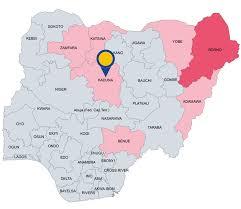
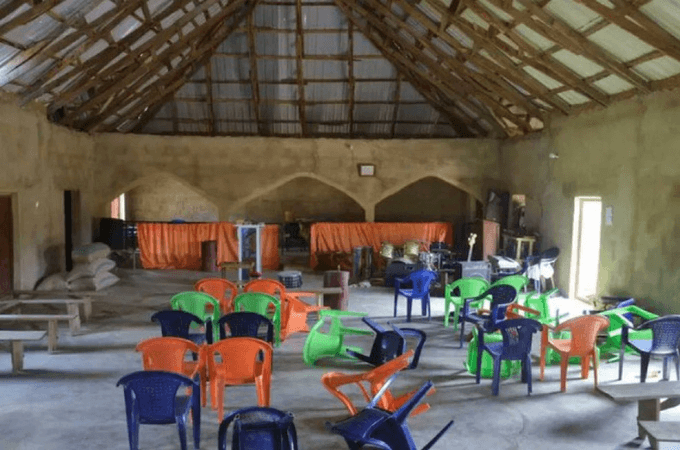
On January 18, gunmen attacked church services in Kurmin Wali in Kajuru Local Government Area of Kaduna State, abducting dozens of worshippers. Initial tallies reported as many as 177 people seized, with 11 having escaped during the raid. Local leaders, families and church officials compiled a list of names and pressed authorities after police and local councils initially denied a mass abduction.
“Police initially denied a raid but on 21 January confirmed that 177 worshippers had been abducted (11 escaped), after residents reported the incident to the BBC. Amnesty International condemned the authorities’ earlier ‘desperate denial’ and urged immediate, concrete action to stop the rising pattern of abductions in Nigeria.”
A later police confirmation on January 21 acknowledged the figure of 177. Rights groups immediately condemned the incident and urged urgent action to address a growing pattern of kidnappings in Nigeria.
Dispute over escapee numbers
Authorities and local leaders differ sharply on how many captured worshippers have since escaped or been located. Police and village officials, including Ishaku Dan'azumi, say roughly 80 additional people fled into neighbouring villages or the bush and have been traced, bringing the count of returnees to about 91, including the 11 who escaped during the raid. By contrast, local representatives of the Christian Association of Nigeria dispute the larger escape figures, saying only 11 escapees are in hospital and that most of the captives remain missing, a dispute that underlines mistrust between security agencies and religious leaders.
Household abductions during services
Families and community records suggest entire households were taken, including very young children and elderly victims. Survivors describe hurried round-ups during services, saying attackers arrived in numbers, gathered worshippers and rounded them up.
“A survivor, Yunana Adauji, said attackers arrived in numbers, gathered worshippers during the service and rounded them up.”
A family-by-family abduction list published by community sources named multiple large families among those seized, for example the Amos family (13 members) and the Jonathan family (12 members). The age range reported ran from as young as five to as old as 71 in lists circulated by community leaders.
Debate over security response
Reports differ on government and security responses: local military sources are credited with sustained operations in the forests that officials say prompted some returnees, while rights groups and civil society accuse authorities of delayed acknowledgement and insufficient protection. Amnesty International called the earlier denial 'desperate' and urged concrete action, and the Human Rights Writers Association of Nigeria described government failures as 'disappointing' and in some reports likened the situation to a failed state. The Kaduna government denied allegations of past truce payments to militants, which some commentators cited when critiquing responses to banditry.
Abductee numbers unclear
Public reports contain confused and inconsistent details about the number of abductees. Some outlets report 177 seized while others cite about 166 initially reported missing. Community lists, security accounts, and international reports differ on how many have been located versus remain in captivity.
“Of about 166 people initially reported missing (earlier reports cited 177), 80 have made it back after fleeing to other villages or into the bush; 86 are still believed to be held by the attackers.”
Several sources explicitly note this confusion and point to social-media circulation of differing figures. The divergence underscores that, based on available reporting, the exact numbers and status of all abductees are unclear and contested, and readers should treat returnee totals and still-held counts as unresolved.
