Crime18 November, 20252 min read
Gunmen Kidnap 25 Kebbi Schoolgirls, Kill Vice Principal
Gunmen abducted 25 female students from a girls' secondary school in Maga, Kebbi State. The school's vice principal, Malam Hassan Yakubu Makuku, was killed during the attack.

10 outlets told this the same way.
Maga school abductions
Around 4:00 a.m. on Monday, armed attackers stormed the Government Girls Comprehensive Senior Secondary School in Maga, Kebbi State, scaled the perimeter fence and abducted 25 female students from their hostel, police and local reports said. The school’s vice‑principal was shot dead while resisting the raid, a security guard was wounded, and officers and local vigilantes exchanged fire with the assailants.
“Armed attackers stormed the Government Girls Comprehensive Secondary School at about 4 a.m. (0300 UTC), scaled the fence and abducted 25 students from their hostel, police said.”
Authorities deployed police, additional tactical units, the military and vigilante groups and began searching nearby forests and likely escape routes for the gunmen. The assault has been reported as fitting a pattern of repeated school kidnappings in northwest Nigeria.

Reporting on school attack
Local reports named the slain vice-principal as Hassan Yakubu Makuku, also reported as Malam Hassan Yakubu Makuku, and said he was killed while trying to shield students. One security guard, identified in local reports as Ali Shehu, was wounded, according to police statements and resident accounts. International outlets noted the vice-principal's death but often omitted personal names, while Nigerian outlets provided victims' names and more detailed local reactions.
Post-raid search operations
Security forces and local vigilantes mounted a search immediately after the raid. Police, tactical units and the military were reported combing likely escape routes and forested areas. Authorities said they were coordinating rescue efforts and the state government reported working with security agencies.
“Police, with additional tactical units, the military and local vigilantes, were searching possible escape routes and nearby forests for the gunmen.”
Parents and residents expressed anguish. The Guardian reported that President Bola Tinubu ordered immediate rescue operations.
Officials said they were recalibrating capabilities and deepening regional cooperation. Other accounts described active ground searches without the same level of official policy detail.
School abductions in Nigeria
Analysts and reporters placed the raid in a pattern of criminal kidnappings across northwest Nigeria, citing precedents such as the 2014 Chibok abductions and the March 2024 seizure of about 130 schoolchildren in Kuriga, and referencing a Save the Children estimate that more than 1,680 students were kidnapped from Nigerian schools between 2014 and 2022.
Several sources therefore frame the attack as part of a persistent security crisis that continues to expose schools to abduction for ransom and other criminal aims.
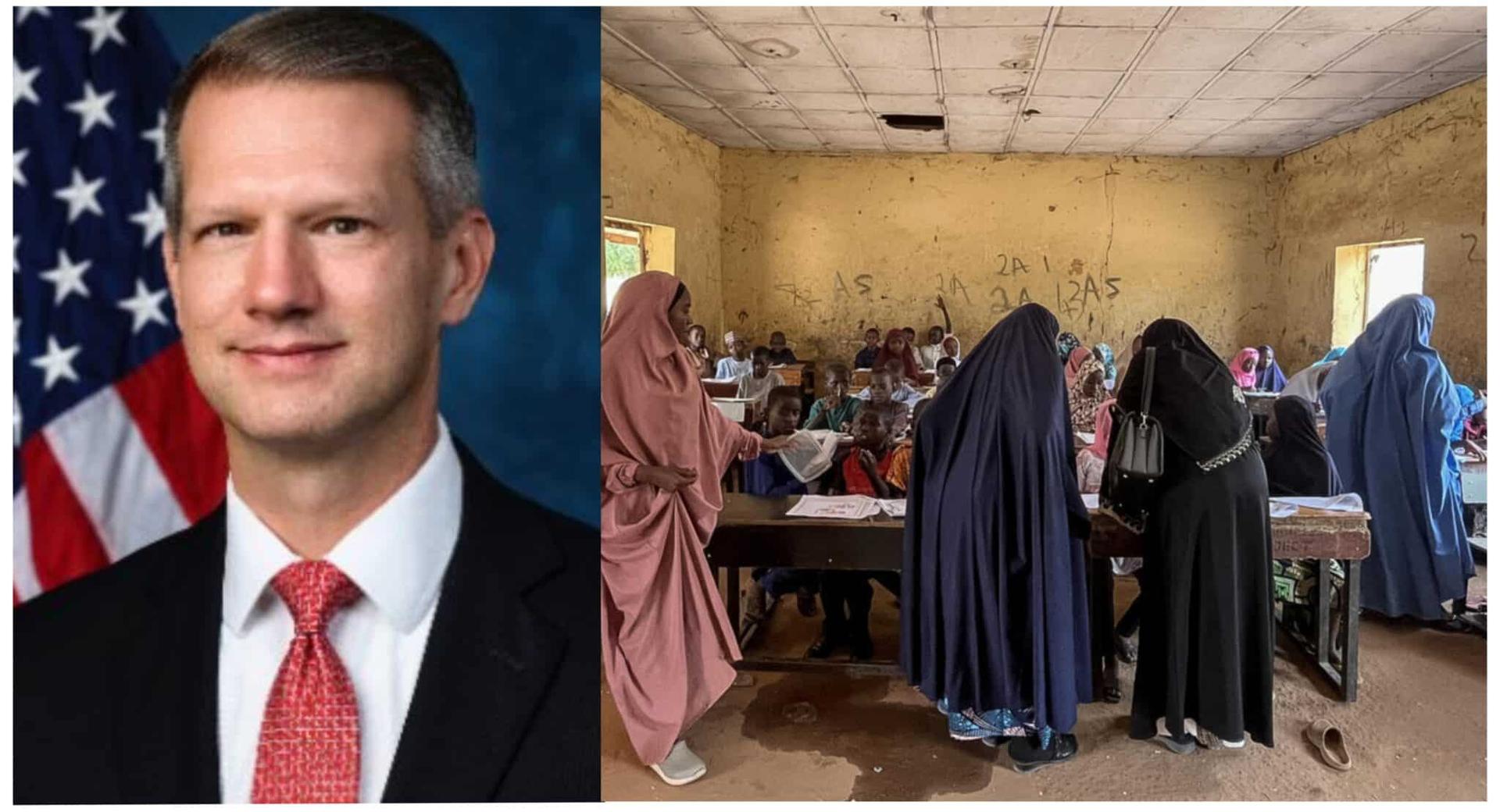
Media framing differences
Some outlets (newsarenaindia, Daily Post Nigeria) emphasize the attackers' weaponry, with newsarenaindia specifically saying they used "sophisticated Western-made weapons." Other outlets (DW, GistReel) foreground the label of criminal "bandits" and the ongoing pattern of kidnappings.
“Attackers armed with sophisticated Western-made weapons entered the school at about 4 a.m., rounded up the girls and fled while firing sporadically; the vice principal was killed after resisting.”
The Washington Post offers a concise summary and notes that the motive was unclear, which contrasts with local reporting that situates the attack within a clear pattern of ransom-style abductions. Readers should note these tonal and framing differences and that the articles largely report claims from police, witnesses and officials rather than presenting independently verified forensic evidence.
