Gaza Genocide06 July, 20263 min read
Haley Stevens And Abdul El-Sayed Clash In Michigan Senate Debate Over Israel And Gaza Policy
Stevens and El-Sayed clashed over Israel aid and spending in Michigan Senate debate. El-Sayed called Israel a rogue state, contrasting Stevens' pro-Israel alignment.
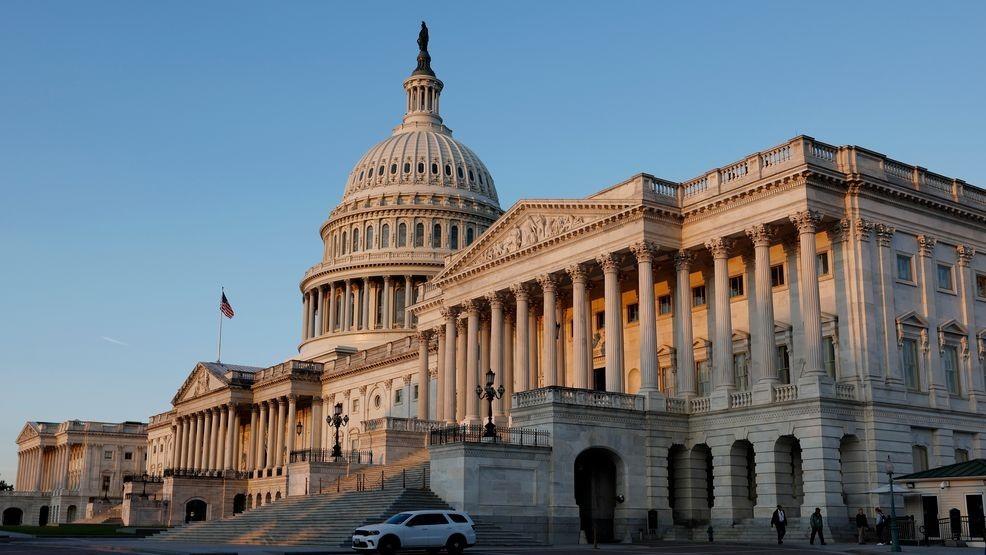
Michigan debate spotlights Gaza
In Michigan’s Democratic Senate primary debate ahead of the Aug. 4 primary, Rep. Haley Stevens and former public health official Abdul El-Sayed clashed over U.S. policy toward Israel and the war in Gaza as the contest narrowed after state Sen. Mallory McMorrow suspended her campaign.
Stevens said, “It is very clear that Mr. Netanyahu has not made us safer, has not brought us closer to peace, and he’s endangered Jews here in America and around the world,” and she added that “This is why he was just trashing me today on CNN.”

El-Sayed tied Israel policy to U.S. politics and said, “If Congresswoman Stevens makes it or Mike Rogers wins, either way, Israel will win,” framing the race around outside spending and AIPAC’s role.
The debate was hosted by Nexstar’s WOOD TV8 in Grand Rapids, with the winner expected to face former Rep. Mike Rogers in the November general election, and Cook Political Report rated the race as a “toss-up.”
Netanyahu, AIPAC, and competing claims
The exchange over Netanyahu’s criticism of Stevens began after Netanyahu told CNN that Stevens’s comments had placed the Jewish community in an “uncomfortable position,” and Stevens responded by saying, “I am unafraid. Michigan, you are my North Star, and no illegal wars, no unilateral wars at our expense.”
El-Sayed argued that Netanyahu and AIPAC’s support were driving U.S. decisions, saying, “So long as our politicians continue to be bought off by AIPAC, do not be surprised when we fight wars that are in their best interest to … annex Lebanon or to do genocide in Gaza,” according to the Jewish Insider.

Stevens pushed back on the framing of her support, telling viewers, “no one owns my vote,” while El-Sayed pressed her on outside spending and said, “why has she allowed $40 million of outside spending, the bulk of it coming from AIPAC, to come into this race?”
CNN’s account of the debate also emphasized that Stevens pitched herself as a “workhorse” while El-Sayed called himself “a threat to politics as usual,” as both candidates sought to define the stakes for Democrats ahead of the midterm elections.
What’s at stake beyond Gaza
The debate’s Israel-and-Gaza dispute fed into a broader argument about how Democrats should respond to U.S. support for Israel, with El-Sayed saying the U.S. should “stop funding the Israeli military unilateral blank checks” and calling Israel a “rogue state,” while Stevens defended her support for a two-state solution.
“This ethnic cleansing campaign is only possible because of U.S. support, funded by our tax dollars.”
Stevens said she would “continue to stand up for humanitarian aid, for the U.S. to work with the countries in the region and get aid into Gaza,” and she also highlighted her work with the families of Israeli hostages formerly held in Gaza.
Outside the debate, Mondoweiss described a separate House vote at the end of June in which the House voted against a War Powers resolution to remove U.S. Armed Forces from hostilities in Lebanon that had not been authorized by Congress for the second time, with Rep. Rashida Tlaib saying the action used “the same genocidal playbook used against Palestinians in Gaza, now in Lebanon.”
Mondoweiss also quoted Tlaib warning that “This ethnic cleansing campaign is only possible because of U.S. support, funded by our tax dollars,” while noting that 22 Democratic House members joined the GOP to vote against the measure, underscoring the political stakes tied to Israel policy and Gaza.