Gaza Genocide11 December, 20253 min read
Hamas Carried Out Extermination and Crimes Against Humanity in October 7 Massacre, Amnesty Finds
This article is an automated aggregation of coverage from news outlets. Our editorials offer in-depth analysis curated by the NewsCord team.
Amnesty concluded Hamas and allied Palestinian armed groups committed crimes against humanity. Report documents extermination, murder, torture, hostage-taking, and sexual violence against civilians and hostages.
16 outlets told this the same way.
Outlets did split on Israel Marks Oct. 7 Anniversary With Strikes on Gaza, Netanyahu Faces Election After Nova Tribute →
Amnesty report summary
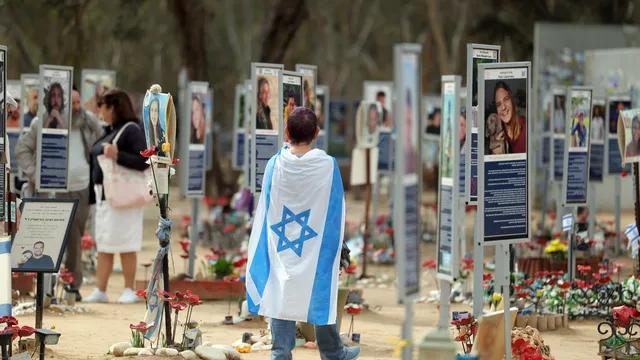
Amnesty International’s 173-page investigation finds that Hamas and allied Palestinian armed groups carried out widespread, systematic attacks on civilians during the October 7, 2023 assault on southern Israel. The report says these attacks amount to crimes against humanity, including the crime of "extermination."
“Amnesty International concluded in a report that Palestinian armed groups, led primarily by Hamas and its Al-Qassam Brigades, committed crimes against humanity and multiple war crimes during the 7 October 2023 attacks on southern Israel and in their subsequent treatment of hostages.”
It states that Hamas and its armed wing, the Ezzedine al‑Qassam Brigades, bear primary responsibility for murder, torture, hostage‑taking and other crimes, and that the abduction and detention of civilians were part of a planned campaign. Amnesty also documents sexual assaults and cruel treatment of captives but says its ability to assess the full scale of sexual violence was limited by lack of access to survivors.
October 7 human cost
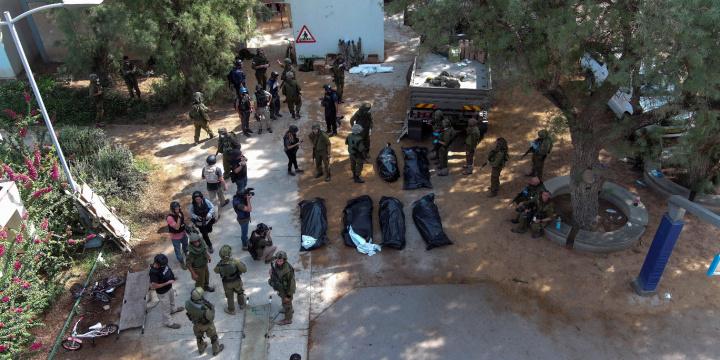
Amnesty documents the human cost of the October 7 operation in precise tallies that multiple outlets reproduce. Roughly 1,200–1,221 people were killed in Israel on that day, and around 251 people were taken hostage and brought into Gaza; a large share of the hostages were civilians, including children and foreign nationals. Of the hostages taken alive, many died in captivity.
Reporting collated by multiple sources says that after later operations and ceasefire deals most living hostages were released, and all hostages have been returned except for the body of one Israeli officer. Amnesty notes it could only interview one survivor about sexual violence, limiting its ability to determine the full scope of that crime.
Amnesty Gaza genocide analysis
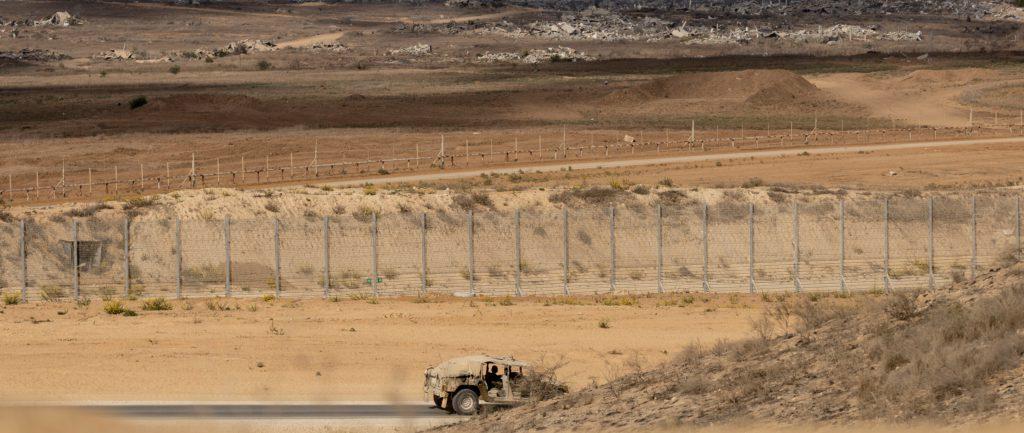
Amnesty's separate legal analysis accuses Israel of committing genocide in Gaza during its retaliatory campaign. The organization says genocidal conduct "continues" despite a ceasefire, citing policies such as restrictions on aid, forced displacement and repeated attacks.
“Amnesty accused Israel of committing genocide in Gaza and said as recently as late last month that Israel was 'still committing genocide' despite the October 10 ceasefire; Israel has strongly denied the charges.”
Amnesty reports thousands more Palestinian deaths since the ceasefire and says Israel has ignored International Court of Justice rulings and failed to investigate or prosecute officials who made genocidal statements. Israel has categorically rejected Amnesty's genocide finding, and some outlets note that Amnesty's Israeli chapter distanced itself from the global office's legal conclusion, calling the destruction "catastrophic" but disputing the legal label of genocide.
Legal and political fallout
The legal and political fallout is mixed: Amnesty urged strong international pressure on Israel, including calls to halt military aid, even as some sources noted the report did not call for measures to pressure Hamas to free hostages. The International Criminal Court sought arrest warrants in May 2024 for senior Hamas figures (Ismail Haniyeh, Mohammed Deif and Yahya Sinwar), applications that were later withdrawn after the three were killed, while an active ICC warrant remains for Israeli Prime Minister Benjamin Netanyahu and former defence minister Yoav Gallant, according to reporting. Different outlets highlight different legal threads: some stress accountability for Hamas atrocities, while others emphasize legal scrutiny of Israeli leaders.
Media coverage of Amnesty report
Coverage tone and conclusions vary by source type. Western mainstream outlets (RFI, Le Monde, Euronews, ABC) report Amnesty’s findings while emphasizing methodological caveats and Israel’s denials. Local Western outlets (Algemeiner) and Israeli media (Arutz Sheva) foreground Israeli rejection and the Israeli Amnesty chapter’s distance from the global report.
“Gaza’s health ministry reports at least 70,369 deaths from Israel’s offensive — a figure the UN regards as reliable.”
Amnesty itself (Western Alternative) uses unequivocal legal language calling the conduct genocide and detailing continuing deaths and impunity. Gaza casualty figures are reported as extremely high, with Gaza’s health ministry citing at least 70,369 deaths from Israel’s offensive, a figure that RFI and Le Monde note the UN regards as reliable. Several sources explicitly describe Israel’s bombardment and killings in Gaza in direct terms.