Hamas Fighters Refuse to Surrender in Israeli-Controlled Rafah Amid Ceasefire Crisis

Hamas Fighters Refuse to Surrender in Israeli-Controlled Rafah Amid Ceasefire Crisis

09 November, 20256 sources compared
War on Gaza

Key Points from 6 News Sources

  1. 1

    120 to 150 Hamas fighters are trapped in tunnels on the Israeli side near Rafah.

  2. 2

    Hamas fighters refuse to surrender and call on mediators to preserve the ceasefire.

  3. 3

    Israeli Army Chief Zamir rejects deportation and demands militants surrender or face death.

Full Analysis Summary

Rafah Ceasefire Standoff

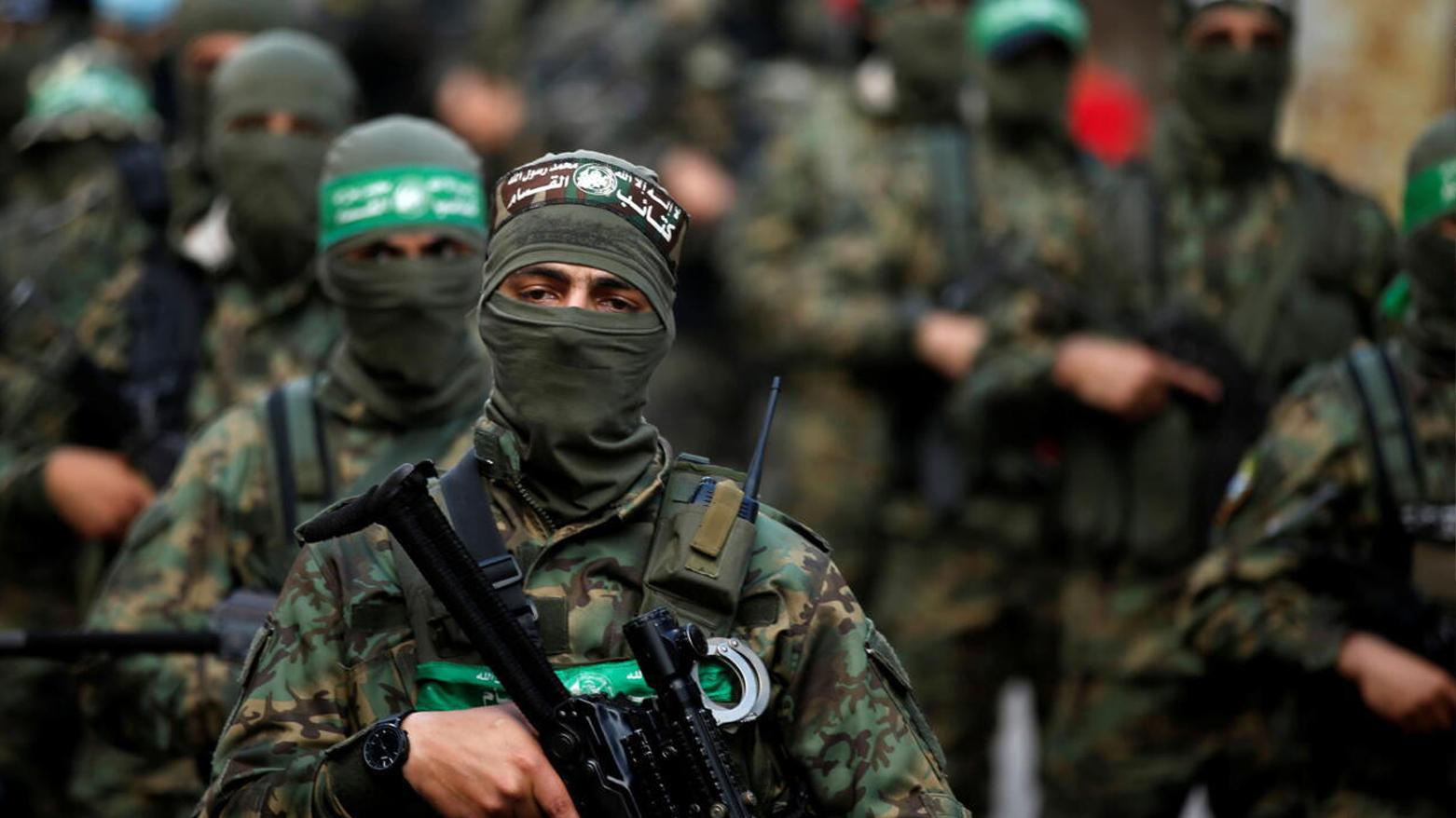
Around 200 fighters trapped in the Israeli-controlled Rafah area are refusing to surrender, escalating a standoff that threatens to break the ceasefire.

The Al-Qassam Brigades urged international mediators to maintain the truce and to prevent Israel from using pretexts to target civilians.

West Asian reports emphasize that the fighters remain in Israeli-held Rafah and reject any offers to surrender.

Asian and Western local outlets describe the Rafah holdout as a direct test of whether the ceasefire will hold.

A U.S. envoy describes Rafah as the initial test in a broader disarmament effort but also highlights stalled progress and uncertainty about Gaza’s future.

Coverage Differences

tone

EconoTimes (Local Western) emphasizes a fragile truce and Hamas’s refusal as a risk to a “month‑old” ceasefire, highlighting Hamas’s claim it is defending against Israeli aggression. Arab News (West Asian) frames the fighters as Hamas militants who seized hostages on Oct. 7 and “refuse to surrender,” stressing the challenge to maintaining the ceasefire. Devdiscourse (Asian) presents a process‑focused tone, noting warnings that the situation could impact the ceasefire and calls on mediators to prevent Israel from using excuses to target civilians.

missed information

kurdistan24.net (West Asian) adds unique details on a U.S.-backed demilitarization plan with amnesty and an international security force, positioning Rafah as a test case—information largely absent from the other sources’ scene‑setter coverage.

contradiction

Sources differ on the ceasefire dating and framing: kurdistan24.net refers to events before an October 9 ceasefire, while Devdiscourse and Arab News date the ceasefire to October 10; EconoTimes avoids a date and calls it “month‑old,” underscoring ambiguity.

Gaza Mediation Efforts

Mediation tracks are split between Egyptian proposals and a U.S.-driven disarmament-and-amnesty plan.

Egyptian mediators offered safe passage inside Gaza for roughly 200 fighters if they surrendered their weapons and disclosed tunnel locations.

Hamas rejected surrender and told mediators it is defending against Israeli aggression while urging them to stop Israel from using excuses to attack civilians.

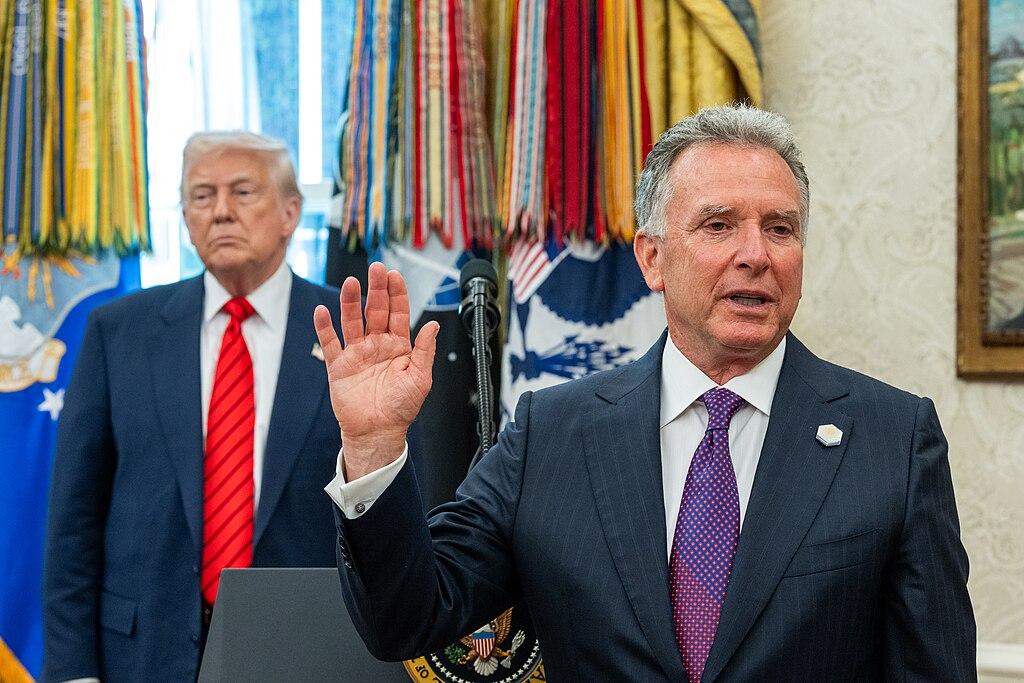
In parallel, U.S. envoy Steve Witkoff promotes a demilitarization plan with amnesty and a rapid international security force.

He is treating the Rafah group as a test for disarming Hamas across Gaza and said he engaged Turkish and Israeli officials.

Coverage Differences

unique/off-topic

kurdistan24.net (West Asian) uniquely reports Steve Witkoff’s claim of direct contacts (with Jared Kushner present), an amnesty component, and an international security force within three weeks—details absent from Arab News, EconoTimes, and Devdiscourse coverage of the Egyptian track.

narrative

EconoTimes (Local Western) frames Hamas as refusing surrender while characterizing its stance as defense against Israeli aggression and warning against Israeli pretexts; Arab News (West Asian) stresses fighters “refuse to surrender,” linking the issue to Oct. 7 and portraying surrender as explicitly off the table; Devdiscourse (Asian) stresses the “test” framing and that Al‑Qassam did not directly address ongoing negotiations.

missed information

Only EconoTimes and Arab News specify the tunnel-disclosure condition attached to the Egyptian safe‑passage offer; Devdiscourse mentions a test deal for about 200 fighters but does not mention tunnels, and kurdistan24.net focuses on the U.S. plan rather than the Egyptian terms.

Violence Despite Ceasefire

Despite the ceasefire, Israel has continued lethal operations.

Devdiscourse reports at least two attacks on Israeli forces in Rafah since the truce began.

Three Israeli soldiers were killed in these attacks.

Israel’s retaliation has resulted in the deaths of dozens of Palestinians.

Hamas denies involvement in some of the attacks.

Arab News adds that Israel killed a Palestinian in an airstrike near Khan Younis.

The report also states that Israeli retaliation in Rafah killed dozens of Palestinians.

The standoff is unfolding in an area under Israeli control.

Sources describe this as the worst violence since the ceasefire.

Coverage Differences

attribution/contradiction

Devdiscourse (Asian) specifies Israel blames Hamas for attacks on Israeli forces but says Hamas denies involvement; Arab News (West Asian) does not include the denial and instead directly links recent attacks to Israeli retaliation that killed Palestinians; EconoTimes does not detail casualties or denials, focusing on the surrender standoff.

missed information

Arab News uniquely notes an Israeli airstrike near Khan Younis that killed a Palestinian, which Devdiscourse does not mention; Devdiscourse uniquely calls the Rafah violence the “worst” since the ceasefire and quantifies Israeli soldiers killed and Palestinian deaths from Israeli retaliation.

Hostage Bodies Exchange Update

Alongside the Rafah standoff, the warring sides are exchanging bodies and remains.

Arab News reports Hamas has returned the bodies of 23 of 28 deceased hostages and says the rest are hard to locate because of Gaza’s devastation.

The report also notes that Israel accuses Hamas of stalling in the exchange process.

Additionally, Israel has released the bodies of 300 Palestinians to Gaza.

Devdiscourse adds that Al-Qassam will hand over the body of Israeli soldier Hadar Goldin on Sunday.
Hamas’s armed wing continues to urge mediators to maintain the ceasefire and prevent Israel from using excuses to target civilians.

This call comes even as Israel continues to kill Palestinians in airstrikes and retaliation.

Coverage Differences

missed information

Arab News (West Asian) uniquely provides numbers on the return of Israeli and Palestinian bodies (23 of 28 hostages; 300 Palestinians), figures not provided by Devdiscourse (Asian), EconoTimes (Local Western), or kurdistan24.net (West Asian). Devdiscourse focuses specifically on the pending return of Hadar Goldin’s body.

tone

Arab News includes accusations by Israel that Hamas is stalling and highlights ongoing Israeli strikes killing Palestinians; Devdiscourse’s tone is procedural and event‑focused, noting a body handover date; EconoTimes emphasizes Al‑Qassam’s appeal to mediators to prevent Israel from using excuses to target civilians.

Ceasefire and Demilitarization Dispute

The political stakes are high.

kurdistan24.net reports Steve Witkoff claims Hamas told him and Jared Kushner before a reported October 9 ceasefire that it intended to disarm.

Washington is pushing a demilitarization and amnesty plan backed by an international security force.

However, EconoTimes and Arab News both say Hamas explicitly rejects surrender and disarmament and remains entrenched in Israeli-held Rafah.

Devdiscourse notes that Al-Qassam did not directly address the negotiations.
kurdistan24.net also reports Israel will not permit reconstruction or political movement without full demilitarization.

This stance underscores why progress is stalled and why the ceasefire’s survival is uncertain.

Coverage Differences

contradiction

kurdistan24.net (West Asian) reports Witkoff’s claim that Hamas intended to disarm before Oct. 9, while EconoTimes (Local Western) and Arab News (West Asian) report Hamas rejecting surrender and disarmament in Rafah; Devdiscourse (Asian) adds that Al‑Qassam did not directly address the negotiations, highlighting divergent accounts of Hamas’s intentions.

contradiction

Ceasefire dating is inconsistent: kurdistan24.net references an Oct. 9 truce, while Devdiscourse and Arab News date it to Oct. 10, underscoring uncertainty and conflicting narratives.

narrative

kurdistan24.net emphasizes U.S.-led demilitarization and Israel’s demand for full demilitarization before allowing reconstruction or politics; Arab News anchors the narrative in Hamas’s Oct. 7 attack and the current refusal to surrender; EconoTimes centers Hamas’s claim of defending against Israeli aggression and the risk to the truce.

All 6 Sources Compared

Al-Jazeera Net

Zamir refuses to deport the Al-Qassam fighters stranded in Rafah, and Katz orders the destruction of the tunnels.

Read Original

Arab News

Hamas says fighters holed up in Rafah will not surrender

Read Original

Devdiscourse

Hamas says fighters holed up in Rafah will not surrender

Read Original

EconoTimes

Hamas Rejects Surrender in Rafah, Urges Mediators to Uphold Gaza Ceasefire

Read Original

kurdistan24.net

Israeli Army Chief: Fate of Gaza Militants “Either Death or Surrender”

Read Original

NDTV

'Not In Dictionary': Hamas Says Fighters In Rafah Will Not Surrender

Read Original