Gaza Genocide20 January, 20253 min read
Hamas Frees 3 Israeli Hostages; Israel Releases 90 Palestinian Prisoners as Ceasefire Begins
Hamas freed three Israeli hostages, who reunited with their families in Israel Israel freed 90 Palestinian prisoners and detainees early in the ceasefire
10 outlets told this the same way.
Outlets did split on Israel Marks Oct. 7 Anniversary With Strikes on Gaza, Netanyahu Faces Election After Nova Tribute →
Ceasefire and prisoner exchanges
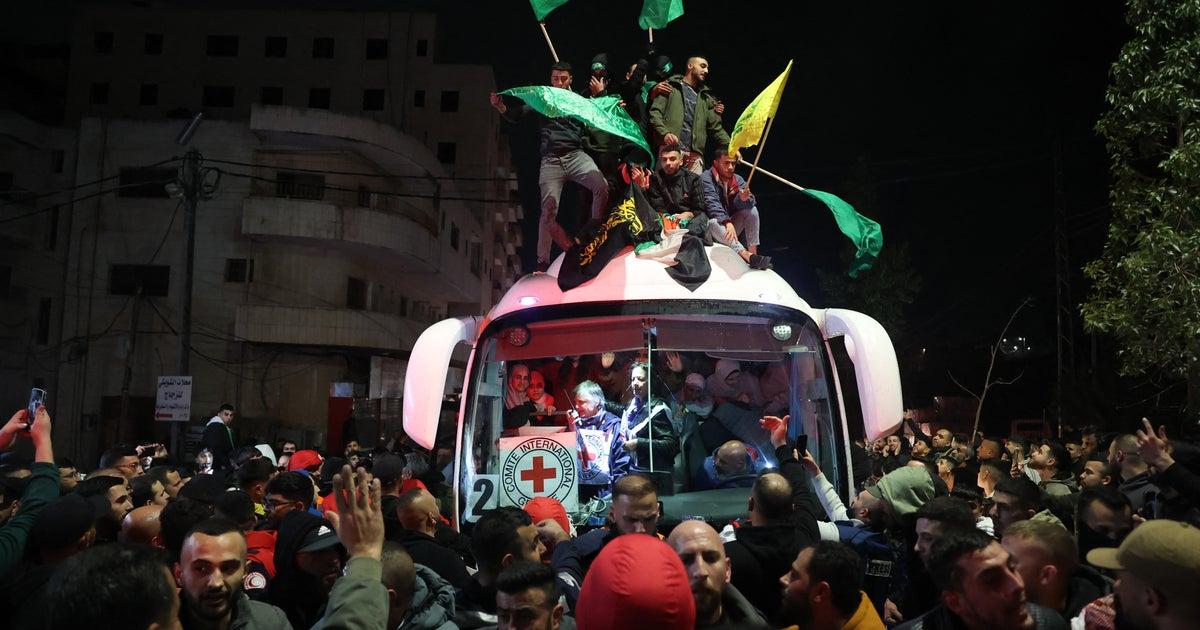
A ceasefire between Israel and Hamas took effect after an almost three-hour delay, beginning at 11:15 a.m. local time. In the first stage of the truce, Hamas freed three Israeli hostages and Israel released 90 Palestinian detainees - women and teens - as part of a 42-day initial phase of the deal.
“A truce between Israel and Hamas took effect after an almost three-hour delay; Israel said it began at 11:15 a.m. local time (09:15 GMT).”
The releases were marked by reunions and public scenes: AP reports the released Israeli women were handed to the Red Cross amid jubilant crowds and Hamas gunmen, and buses carrying 90 Palestinian detainees arrived to crowds in the occupied West Bank. DW confirms the truce's delayed start and Qatar's role in mediating the names of hostages, while RNZ reports the three hostages returning to Israel and describes the ceasefire as Gaza's first real reprieve in more than a year.
Hostage and prisoner exchange
Under the terms observed in the first stage, Hamas handed over names and released three hostages, including two women with foreign citizenship, while Israel freed 90 Palestinian detainees described in reports as women and teenagers held at Ofer prison. Qatar confirmed the initial three hostages included foreign nationals: one Romanian, one British, and one Israeli. AP detailed jubilant reunions at Tel Aviv's Hostages Square and noted that far-right minister Itamar Ben-Gvir resigned from Netanyahu's coalition over the ceasefire, even as he said the nation was 'happy and excited' about the releases.
RNZ framed the exchange as part of a broader deal that envisages dozens more Israeli releases in return for nearly 2,000 Palestinian prisoners and a major increase in humanitarian aid. The agreement represents the first stage of a phased exchange and a ramp-up of humanitarian assistance.

Ceasefire delay and strikes
The ceasefire's implementation was rocky and was accompanied by continued Israeli strikes during the delay. RNZ reported the truce was delayed nearly three hours after Israel said Hamas had not handed over names. During the delay, Israel carried out strikes in northern and central Gaza that Gaza's Civil Defense said killed at least 19 people and wounded 36, while the Israeli military described its actions as targeting 'terror targets.'
“During the delay, Israel carried out strikes in northern and central Gaza that Gaza’s Civil Defense said killed at least 19 people and wounded 36; the Israeli military described its actions as targeting ‘terror targets.’”
DW recorded that shelling was still audible even as people celebrated, and UNICEF warned of confusion. AP noted that initial Israeli military warnings in the occupied West Bank kept celebrations muted. Together, these accounts indicate the truce did not immediately halt Israeli military operations and that strikes during the delay caused civilian deaths and injuries as reported by Gaza authorities.
Media takes on Gaza ceasefire
Despite the local exchanges, the long-term future remains uncertain. AP reports Prime Minister Benjamin Netanyahu said he had assurances from President-elect Trump that Israel could resume fighting Hamas if needed, underscoring Israeli leaders' insistence they can return to military operations. DW quotes Israeli officials warning that a Hamas government in Gaza could continue to drive regional instability and reiterates Israel's aims to secure hostages' return and dismantle Hamas's capabilities.
RNZ emphasizes the human cost and scale of deaths and injuries the Palestinian Ministry of Health reports, noting almost 47,000 killed and about 110,750 injured since October, and frames the ceasefire as a fragile reprieve. These differences show AP foregrounds political assurances and U.S. involvement, DW foregrounds Israeli security rhetoric, and RNZ foregrounds the humanitarian toll and uncertainty about permanence.