
Hard choices for the Gulf countries
Key Takeaways
- Iran's broad strikes have eased fears Gulf states' divisions are deepening.
- UAE and Saudi Arabia have found themselves on opposite sides of armed conflict.
- Gulf states balance regional pressures while Iran's actions polarize alliances.
Gulf unity amid Iran threat
If there is a silver lining in this war, it is that by striking back so broadly, Iran has allayed fears that existing divisions among the Gulf states are worsening.
“Send us a message, and we will definitely consider your suggestions and comments”
In recent months, the United Arab Emirates and Saudi Arabia have found themselves on opposite sides of armed conflicts in Sudan and southern Yemen.
But now the Gulf states are united by anger at Iran for its aggression, frustration with the United States for ignoring its warnings, and confusion about what comes next.
Iran strategy and regional messaging
Iran’s targeting of infrastructure and U.S. bases across the Persian Gulf reflects a deliberate strategy.
Commentators on Iranian state television point out that Kuwait was a booming global center until 1991, but never fully regained that status after the Gulf War.
Thus, the Islamic Republic appears to realize that in order to force the U.S. back to the negotiating table, it is necessary not only to destabilize global energy markets but also to exploit the damage to the Persian Gulf’s reputation as a region of security and stability.
GCC options and strategic limits
The six member states of the Gulf Cooperation Council (GCC – Gulf cooperation council) have no good options.
“Send us a message, and we will definitely consider your suggestions and comments”
Too much diplomatic effort could anger a U.S. president determined to win outright.
It could also legitimize a regime that has unceremoniously attacked the GCC on an unprecedented scale.
Gulf states are increasingly frustrated by the loss of their ability to influence key events in their region.
Outlook: patience and potential action
The most likely position of the Gulf states in the near term will be strategic patience – ironically, an approach that Iran itself has long favored.
The UAE and perhaps Saudi Arabia may decide to join the effort by contributing air power or other resources at a time of relatively low risk, when the U.S.-Israel coalition is poised for victory.
If the conflict begins to resemble a protracted quagmire, however, the Gulf states will turn to diplomatic mediation, working to create exits that the U.S. could accept without appearing to concede.
More on Iran
Iranian Women's Soccer Captain Zahra Ghanbari Withdraws Asylum Bid in Australia
10 sources compared
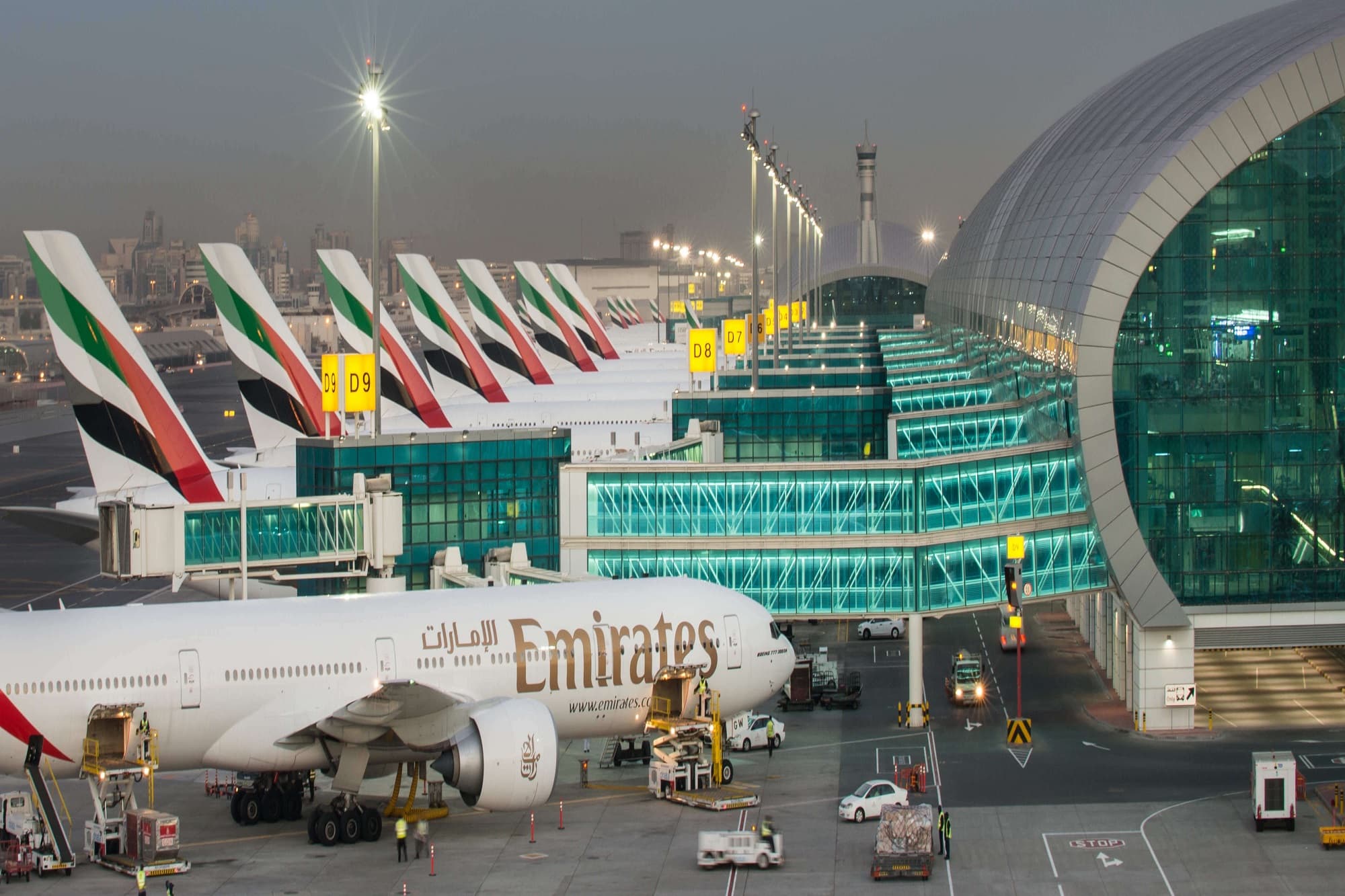
Iranian Drone Strike Shuts Dubai International Airport, Thousands Stranded
25 sources compared

Iran Drone Strike Shuts Dubai International Airport, Triggers Global Travel Disruption
16 sources compared

Iran's New Supreme Leader Mojtaba Khamenei Travels to Moscow for Leg Surgery
15 sources compared