Iranian Women's Soccer Captain Zahra Ghanbari Withdraws Asylum Bid in Australia
Key Takeaways
- Zahra Ghanbari withdrew her asylum bid and will return to Iran.
- She is the fifth member of the Iran women's team to reverse asylum decisions.
- Australia granted asylum to several team members after the Asian Cup.
Withdrawal of Captain
Iranian women's football captain Zahra Ghanbari has withdrawn her asylum bid in Australia.
“Iran captain latest footballer to drop asylum bid, Iranian state media says The captain of the Iranian women's football team has withdrawn her bid for Australian asylum, Iran's state media says, making her the fifth member of the delegation to change her mind”
She has become the fifth member of the delegation to reverse their decision to seek refuge in the country.
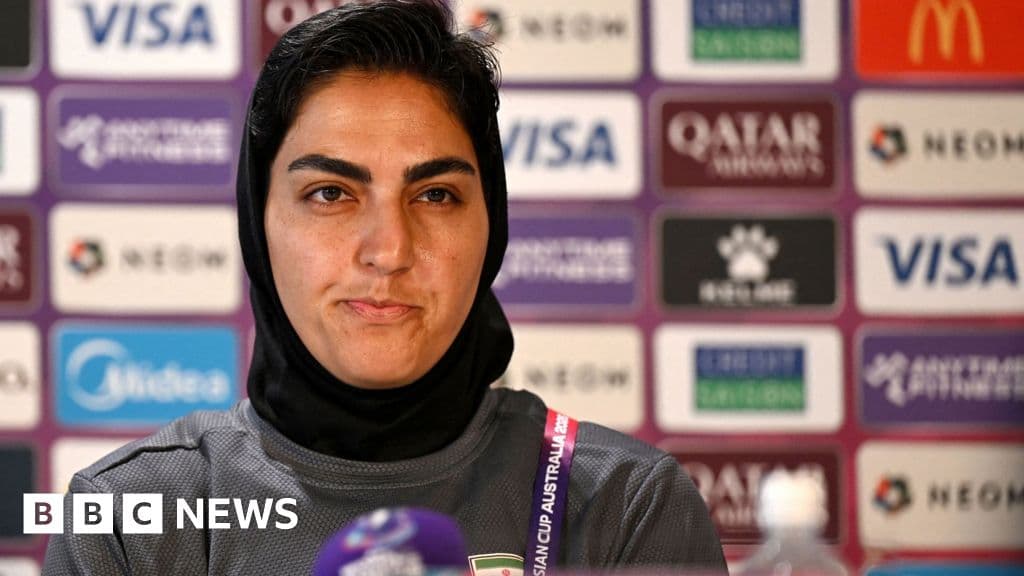
The 34-year-old captain will travel from Malaysia back to Iran according to Iranian state media reports.
This development leaves only two of the original seven squad members remaining in Australia.
All seven had initially accepted humanitarian visas offered by Australia.
The situation has unfolded since the team's participation in the Women's Asian Cup in Australia.
State-run IRNA news agency reported on Sunday that Ghanbari would return home.
This marks a significant reversal in what began as a story of courage for the Iranian female athletes.
Anthem Protest Origin
The team's initial decision to seek asylum stemmed from an act of defiance during their opening Asian Cup match against South Korea on March 2.
They remained silent during Iran's national anthem during this match.

This courageous protest led to immediate vilification back home in Iran.
Conservative commentators labeled the players as 'wartime traitors' and called for harsh punishment.
The backlash created serious concerns that team members would face severe repercussions upon returning to Iran.
These concerns prompted their decision to seek sanctuary abroad.
What began as a story of Iranian female athletes risking everything to seek freedom evolved into a complex international situation.
Pressure and Threats
Human rights activists and former players have raised serious concerns that the women faced intense pressure and threats against their families in Iran.
“What began as a story of courage – of Iranian female athletes risking everything to seek freedom on foreign soil – has taken a turn”
This pressure allegedly compelled them to reverse their asylum decisions.
Exiled former Iranian national futsal player Shiva Amini confirmed these fears publicly.
She stated that several players returned home because 'the threats against their families became unbearable and the intimidation was relentless.'
Amini revealed that Iran's Football Federation was working with the Islamic Revolutionary Guard Corps.
They allegedly placed 'intense and systemic pressure' on the players' families.
Australian-Iranian Society Vice-President Kambiz Razmara corroborated these claims.
He noted the women faced 'nonstop pressure from the Tehran regime' and made difficult decisions with limited information.
Iranian Government Response
Iranian state media and government authorities have celebrated the players' returns as a significant political victory.
They frame the situation as a defeat for Western influence and psychological warfare operations.
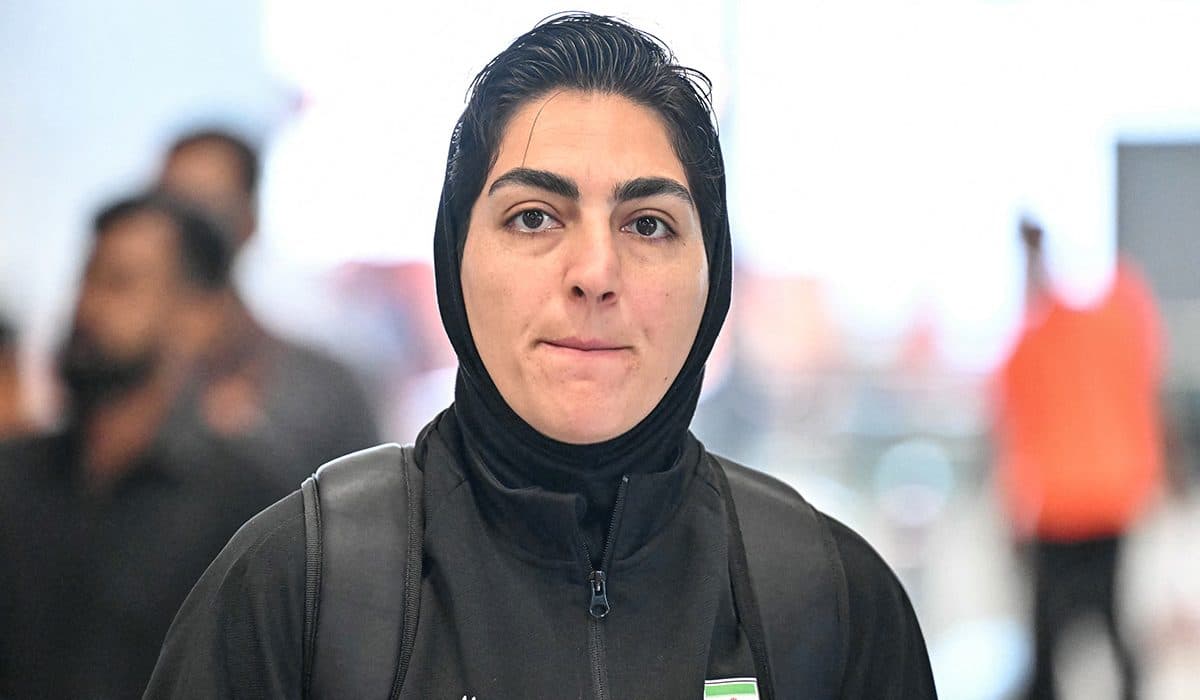
State-run IRNA news agency described Ghanbari as 'returning to the embrace of the homeland.'
The semi-official Mehr news agency called her decision a 'patriotic decision.'
The IRGC-affiliated Tasnim news agency claimed the women were 'returning to the warm embrace of their families and homeland.'
Tasnim stated their decision represented a 'crushing blow to the US president, who overtly spearheaded this initiative.'
Iran's sports ministry declared that 'the national spirit and patriotism of the Iranian women's national football team defeated the enemy's plans.'
They accused Australia's government of 'playing in Trump's field' and called it a 'disgraceful failure of the American-Australian project.'
Australian Government Response
The Australian government has responded to the situation with a mixture of pride and acknowledgment.
“Iran captain withdraws Australia asylum bid amid ‘heavy intimidation’, ‘missing’ family claims The captain of the Iranian women’s football team which played in the Asian Cup in Australia has withdrawn her bid for asylum, state media said, making her the fifth member of the delegation to change her mind”
Home Affairs Minister Tony Burke confirmed his government had done 'everything in its power to help the team.'
Burke expressed that Australians should be proud that the women experienced genuine choices in Australia.
He noted that authorities in Australia were seeking to help the team.
However, Burke acknowledged the limitations of Australia's influence in the situation.
He stated that while opportunities could be provided, 'we cannot remove the context' of the players' difficult decisions.
The situation became complicated when one player contacted the Iranian embassy.
This action exposed the secure location of remaining team members, forcing immediate relocation.
This highlights the precarious nature of their safety and freedom of choice.
More on Iran
President Donald Trump Demands NATO Allies Send Warships to Reopen Strait of Hormuz.
11 sources compared

President Donald Trump asks seven nations to join coalition to police Iran's Strait of Hormuz
10 sources compared

Trump demands NATO and China police the Strait of Hormuz
12 sources compared

Iranian Drone Strike Shuts Dubai International Airport, Thousands Stranded
25 sources compared