Entertainment19 December, 20252 min read
HarperCollins Drops David Walliams After Investigation Into Alleged Harassment of Junior Staff
HarperCollins UK terminated its publishing relationship and will not release Walliams' new titles Decision followed an investigation into allegations he harassed junior female employees at HarperCollins
19 outlets told this the same way.
Outlets did split on Chad Lowe and Kim Painter Mourn Daughter Fiona Hepler Lowe’s Death at 13 →
HarperCollins halts Walliams books
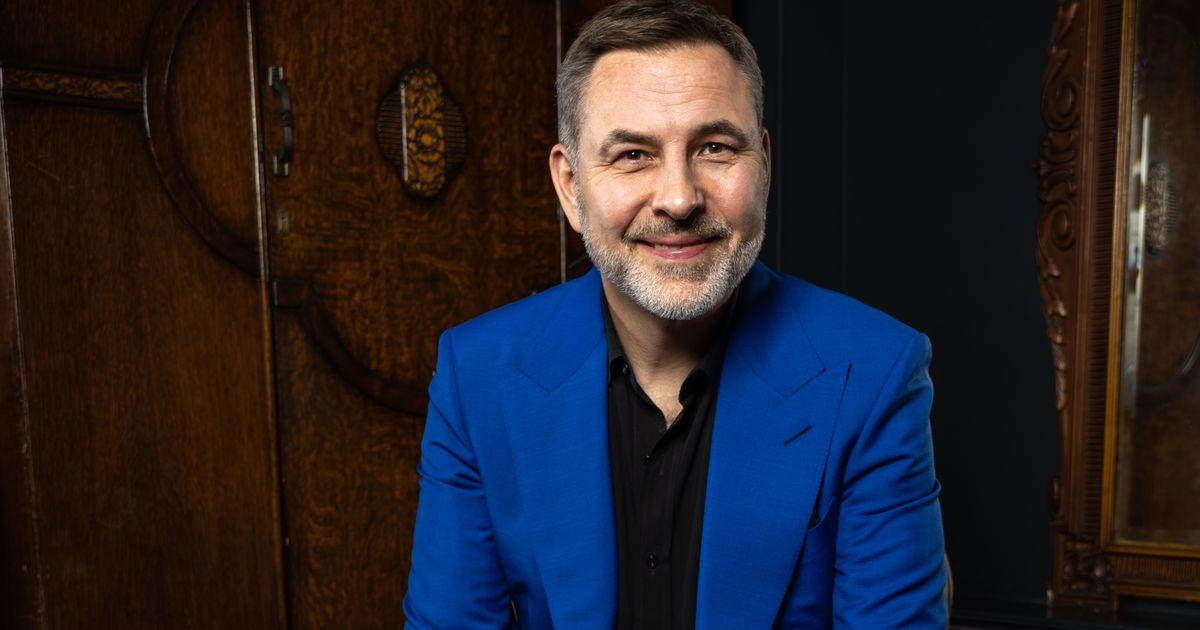
HarperCollins UK announced it will not publish any new books by comedian and children's author David Walliams after an internal probe into complaints about his conduct toward junior staff. Multiple outlets reported the decision was made under its new CEO following an inquiry first reported by The Telegraph.
“HarperCollins has decided not to publish any new books by David Walliams after an investigation by the Telegraph found allegations that the former Britain’s Got Talent judge behaved inappropriately toward young women at the publisher.”
The publisher said it takes employee wellbeing seriously but declined to comment on internal matters. Coverage across titles noted the move to stop releasing new books while emphasising the change in leadership as part of the context for the decision.

HarperCollins internal probe
Reports say the inquiry began after a junior HarperCollins employee raised concerns in 2023. Outlets describe a year-long internal investigation that involved staff interviews and at least one in-house lawyer, concluding in 2024.
Several sources detail workplace precautions put in place during the probe, saying staff were told to meet Walliams in pairs and to avoid visiting his home. They also report that at least one complainant left the publisher after receiving a reported five-figure settlement.
Walliams' response summary
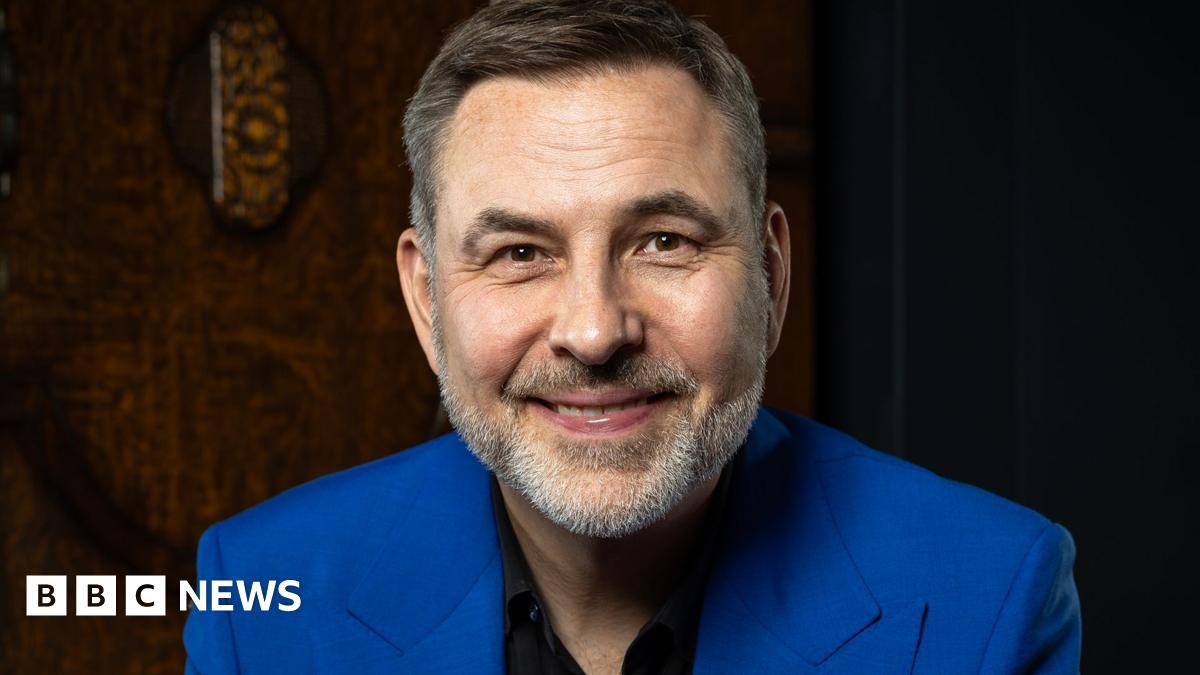
Walliams and his representatives have strongly denied the allegations in every account that quotes them. Multiple outlets record identical denials that he 'strongly denies' wrongdoing. They also report that he says he was not informed of any complaints, was not part of any investigation, and is taking legal advice.
“Walliams’ team says he ‘strongly denies’ the allegations and was not informed of the investigation or its findings.”
That account of Walliams' response is widely reported by mainstream and local outlets. However, at least one source says the author was informed of HarperCollins' decision rather than being kept unaware.
Reputation and sales impact
Reporting places the story within a wider context of reputational hits for Walliams and commercial shifts for HarperCollins. Several pieces note his long career as a comedian and bestselling children's author, citing more than 40 books and over 60 million copies sold.
They also point to prior controversies, including leaked Britain’s Got Talent transcripts, past offensive sketches and criticism that some characters in his books contained harmful stereotypes. Some tabloid sources emphasise the financial dimension, citing his past share of HarperCollins’ UK children’s sales and reported recent steep falls in sales.
Publisher response and legal stance
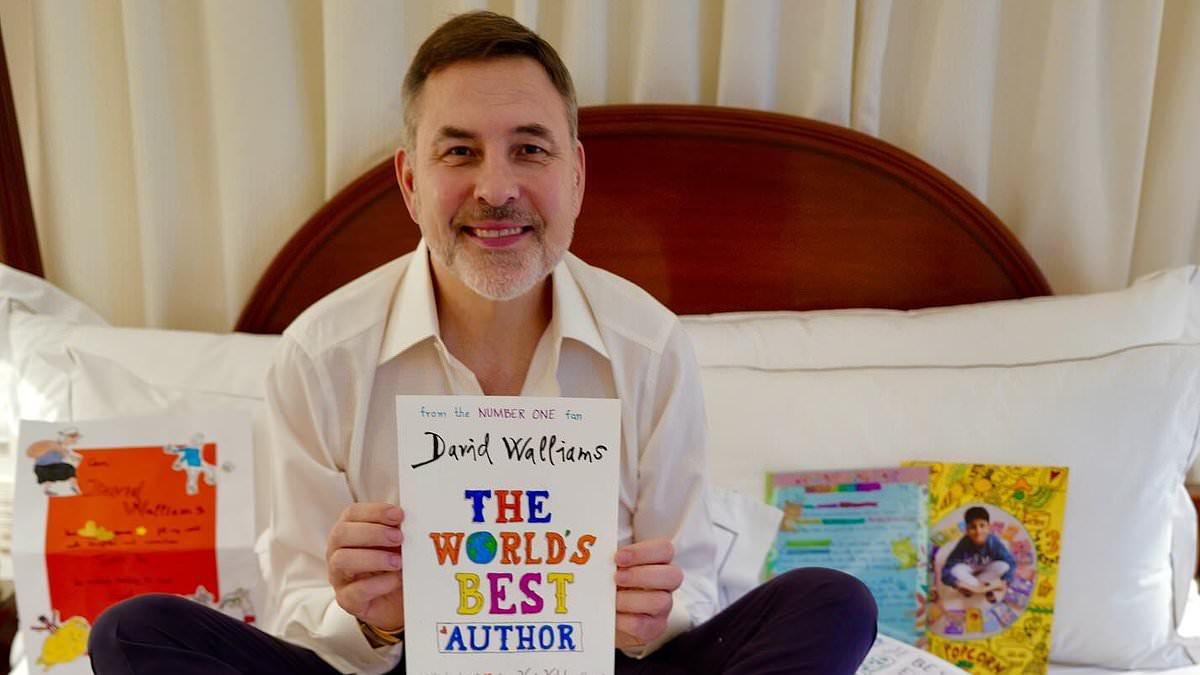
HarperCollins has repeatedly declined to comment on internal matters, saying it has processes for reporting and investigating concerns and that its decision followed careful consideration under new leadership and reflected a commitment to employee wellbeing.
“HarperCollins... said it takes employee wellbeing seriously, made the decision under its new CEO; its former chief executive Charlie Redmayne left in October.”
Walliams is reported to be seeking legal advice and, according to several sources, denies being informed of allegations or given an opportunity to respond.