Full Analysis Summary
Hawaii feral feeding ban
Hawaii County passed an ordinance, effective New Year’s Day, banning the feeding of feral animals on county property.
The ban is intended to protect native species, especially the endangered nene goose, from predation and disease linked to feral cats.
The measure passed by a 6-2 vote and aims to remove food sources that attract cats and lure native birds into hazardous areas on the Big Island.
Local officials and biologists say the action is needed to protect animals that evolved without mammalian predators.
Coverage Differences
Tone / Emphasis
Both Midland Daily News (Other) and the Associated Press (Western Mainstream) report the ban and its stated purpose, but AP presents more specific context (e.g., start date phrasing “New Year’s Day,” estimate of cat numbers and locations) while Midland emphasizes local opposition and tragic incidents like a nene killed near a feeding station. Each source is reporting on official action and local reactions rather than expressing an independent editorial position.
Feeding station risks
Officials and biologists cite two primary dangers from feeding stations: direct predation as cats attract and hunt native birds.
They also warn about the spread of toxoplasmosis from cat feces, which has been linked to deaths of Hawaiian monk seals and native birds.
The Associated Press reports rough estimates of tens of thousands of feral cats on the Big Island.
It points to large colonies near public sites such as the Kealakehe Transfer Station.
Midland Daily News similarly highlights biologists’ concern that species unaccustomed to mammalian predators are especially vulnerable.
Coverage Differences
Detail / Scope
Associated Press provides broader numerical context and specific colony locations (e.g., 'tens of thousands' and Kealakehe Transfer Station), while Midland Daily News focuses on biological vulnerability and specific incidents. Both report on toxoplasmosis threats but AP includes an explicit linkage to monk seals and gives population-estimate context.
Ordinance and cat-feeding dispute
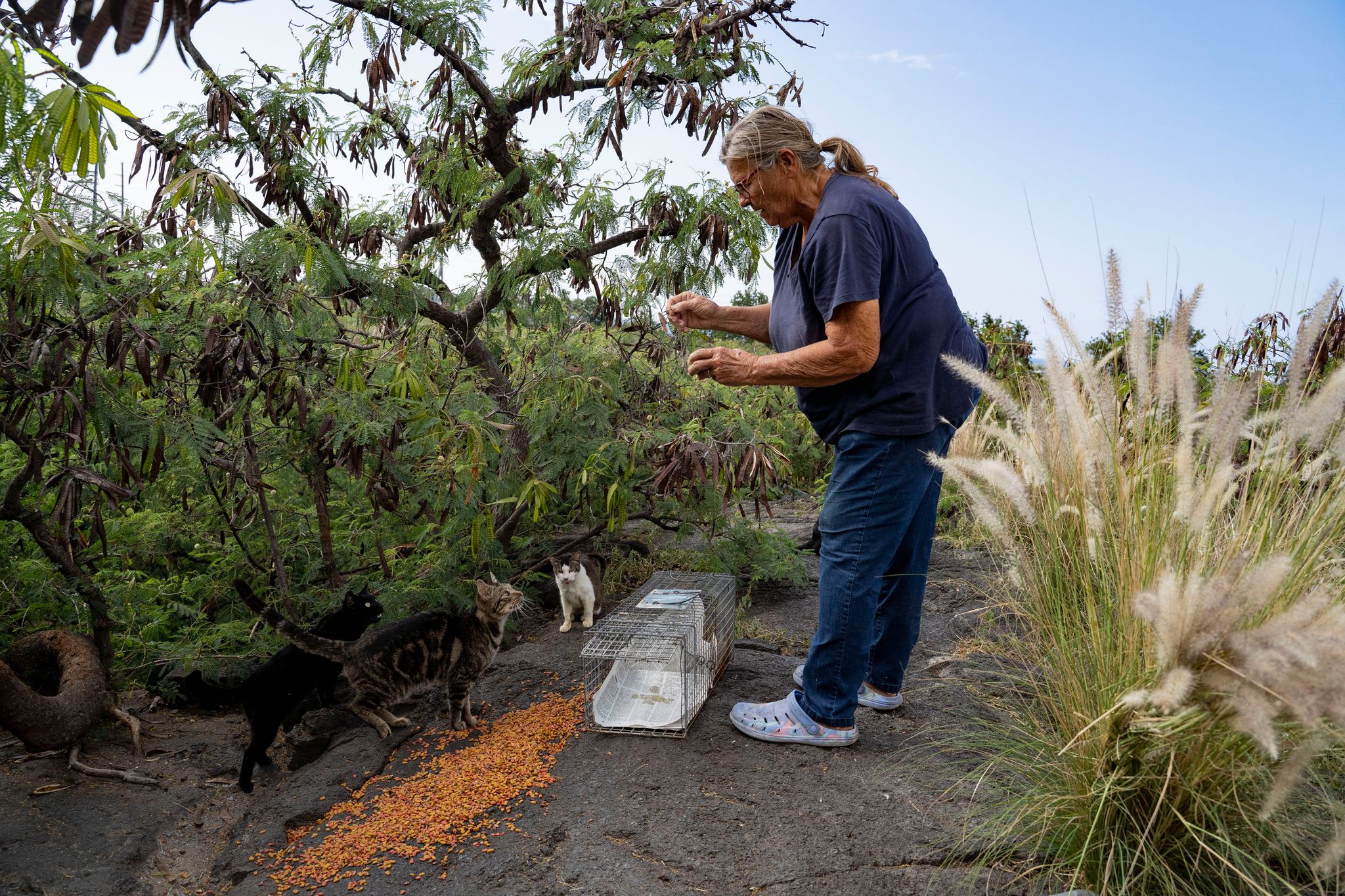
The ordinance generated notable opposition from residents who feed feral cats and run trap-neuter-release (TNR) efforts.
Those residents say the ban will hinder population-control programs and leave hungry cats to hunt.
The Associated Press names longtime feeder Liz Swan and notes cat welfare advocates' concerns.
The Midland Daily News reports similar objections and recounts a heated debate in which Mayor Kimo Alameda allowed the ordinance to take effect without his signature while urging low-priority enforcement after receiving hostile messages.
Coverage Differences
Narrative / Source of Opposition
Both sources report opposition from feeders and TNR advocates; AP explicitly names a feeder (Liz Swan) and frames the concern around program disruption, while Midland emphasizes the hostility of public debate and the mayor’s conciliatory stance. Each source reports the claims of opponents rather than endorsing them.
Ban to Protect Native Birds
Supporters, including biologists, say the ban is necessary to protect species that never evolved to face mammalian predators; Midland Daily News cites a reported incident of a male nene killed while crossing to a cat feeding station as illustrative evidence.
The Associated Press repeats that incident and the broader biological rationale, presenting the decision as a policy aimed at reducing predation and disease risk even as local tensions remain high.
Coverage Differences
Evidence / Anecdote
Both sources report the same illustrative incidents (e.g., a nene killed approaching a feeding station) to justify the ban; Midland frames the anecdote amid local dispute, while AP pairs the anecdote with broader epidemiological and population estimates. Both sources attribute these as reported facts or officials’ observations rather than independent verification.