
Hawaii Deploys National Guard as Worst Flooding in 20 Years Swamps Oahu
Key Takeaways
- More than 4,000 residents evacuated from northern Oahu due to severe floods.
- Wahiawa Dam at imminent failure risk, threatening life-threatening flooding.
- Hawaii National Guard activated to assist in rescues and evacuations.
Historic Flooding
Hawaii is experiencing its most severe flooding disaster in over two decades as torrential rainfall inundated Oahu's North Shore, causing catastrophic damage and forcing mass evacuations.
“Major rains pummeled the area for the second major rain event in a week”
Muddy floodwaters have smothered vast stretches of the island's renowned surfing communities, lifting homes off their foundations, swallowing vehicles, and prompting emergency officials to issue evacuation orders for 5,500 residents north of Honolulu.

The unprecedented deluge has already inflicted what Governor Josh Green estimates could exceed $1 billion in damages to airports, schools, roads, residential properties, and even a hospital on Maui.
The scale of the devastation stems from an enormous amount of rain falling in a very short time on ground already saturated by a winter storm the previous week, with parts of Oahu receiving 8 to 12 inches of rain overnight and the island's highest peak, Kaala, recording nearly 16 inches in the past 24 hours.
Emergency Response
Emergency response efforts have been massive and complex as the Hawaii National Guard was activated statewide to conduct search and rescue operations.
General Stephen Logan reported that 195 soldiers and airmen, along with 21 high-water vehicle teams, have been deployed to assist in evacuating and rescuing stranded residents.
Teams have already evacuated approximately 50 residents of Haleiwa and Waialua beginning around 2:30 a.m., and later airlifted 32 children and 15 adults from a spring break camping area using Black Hawk helicopters.
Despite the scale of the disaster, officials reported no fatalities or missing persons as of Friday evening, though about 10 people were hospitalized for hypothermia.
The rescue operations have been complicated by civilians flying drones near disaster areas to capture footage, which interfered with emergency crews' ability to operate safely.
Honolulu Mayor Rick Blangiardi confirmed that 233 people needed rescue throughout the ongoing crisis.
Dam Threat
A critical and immediate threat has emerged from the Wahiawa Dam, a 120-year-old earthen structure built in 1906 and reconstructed after a 1921 collapse.
“"The water is actively running over the spillway right now," Ms Pierce said”
Honolulu officials have declared the dam 'at risk of imminent failure' and ordered residents in the downstream areas of Haleiwa and Waialua to evacuate immediately, warning that a breach 'will result in probable loss of human life.'
Water levels surged dramatically from 79 feet to 84 feet within 24 hours, leaving just 6 feet below capacity, though levels have since receded slightly.
The dam's structural integrity has been a concern for decades, with state regulators issuing four deficiency notices to Dole Food Company, the dam's owner, since 2009 and imposing a $20,000 penalty five years ago for delayed safety improvements.
Despite the evacuation orders and immediate danger, Dole maintains that 'The dam continues to operate as designed with no indications of damage.'
The state had passed legislation in 2023 authorizing the dam's acquisition, but the ownership transfer remains incomplete with a state board scheduled to vote on the acquisition next week.
Climate Context
The unprecedented flooding has been attributed to winter storm systems known as 'Kona lows,' which feature southerly or southwesterly winds that bring in moisture-laden air.
According to meteorological experts, these storms have been turbocharged by human-caused climate change, which has increased both the frequency and intensity of heavy rainfall events in Hawaii.
Senior digital meteorologist Jonathan Belles explained that 'This flooding in some ways is connected to the heat dome entrenched into the Lower 48. We often talk when one area of the country is seeing heat, another is seeing cooler, wetter weather,' noting that the pattern of cooler, wetter weather persists over Hawaii and Alaska.
The current crisis comes just weeks after Hawaii was hit by another severe Kona low, which saturated the ground and made the current deluge even more destructive.
Experts warn that with climate change continuing to intensify, such extreme weather events are likely to become more common and severe in the Hawaiian islands.
Economic Impact
The economic and infrastructure impact of the flooding extends far beyond immediate property damage, with Governor Green declaring it 'going to have a very serious consequence for us as a state.'
“But the agency doesn't know how many”
The financial toll is expected to exceed $1 billion when accounting for damage to airports, schools, roads, residential properties, and a hospital on Maui.
Honolulu Mayor Rick Blangiardi characterized the destruction as 'catastrophic,' noting that dozens, possibly hundreds, of homes have been damaged with officials still unable to complete comprehensive damage assessments.
State Transportation Director Ed Sniffen reported significant flooding in multiple areas including Waialua, Haleiwa, Waimanalo, Hauula, Kaaawa, and Laie, with crews also dealing with landslides and rockfalls in places including Waimea, Kipapa Gulch, Lowell Road, and Quarry Road.
Despite the extensive damage, Hawaii airports have continued operating normally, though travelers have been advised to check with airlines and arrive early due to potential delays from low visibility.
The state has closed all non-essential state offices on Oahu to allow families to focus on safety and support emergency operations, with the Judiciary remaining operational except for the Wahiawa District Court.
More on Technology and Science
Hawaii's Worst Flooding in 20 Years Threatens Dam, Prompts Evacuations as More Rain Looms
11 sources compared
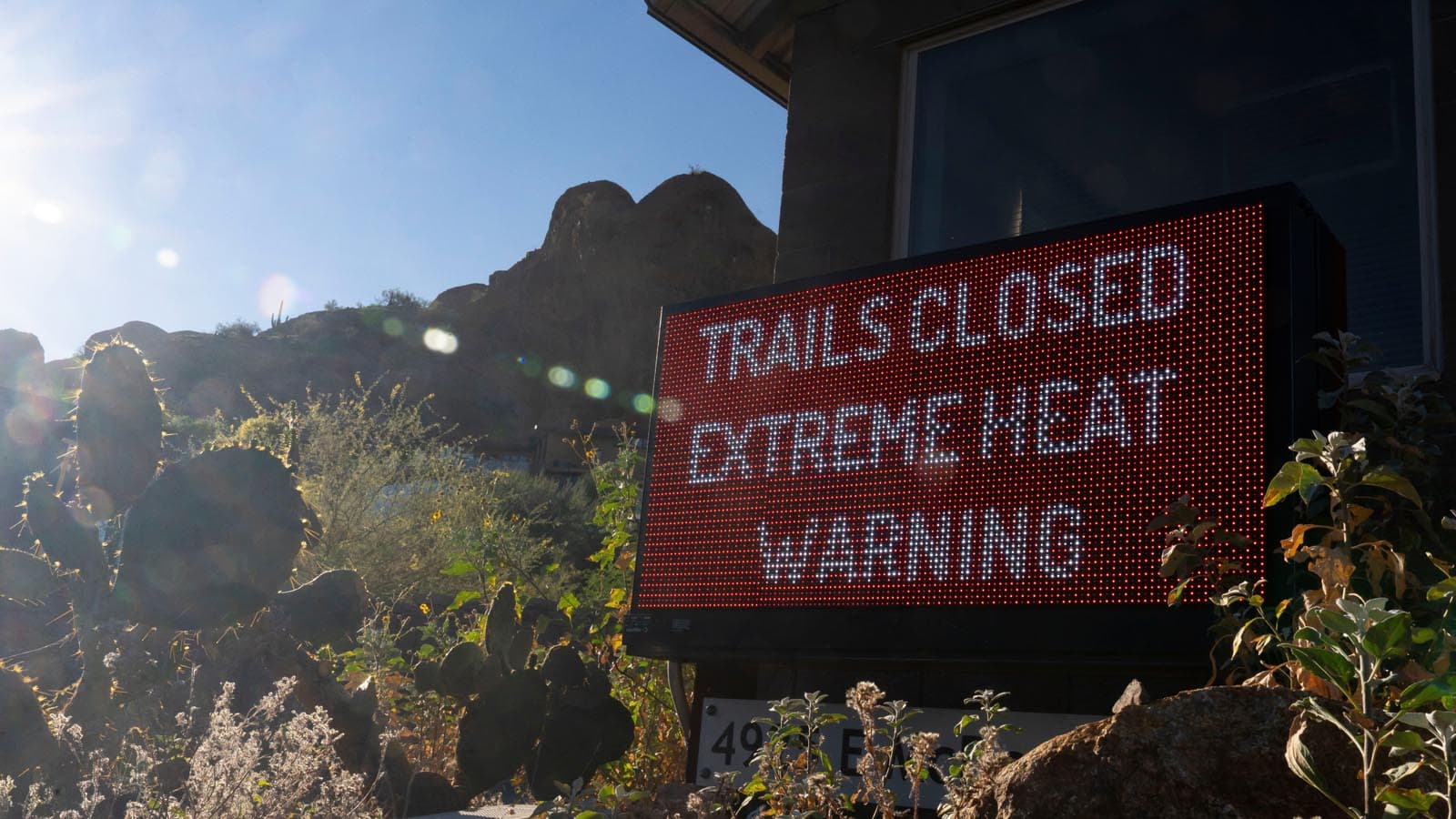
Heatwave shatters March records as Southwest bakes under extreme temperatures
48 sources compared
Record heat blankets the US Southwest as March logs hottest temperature in Arizona
10 sources compared

Trump administration unveils national AI framework to preempt state AI laws
31 sources compared