Technology and Science20 March, 20263 min read
Record heat blankets the US Southwest as March logs hottest temperature in Arizona
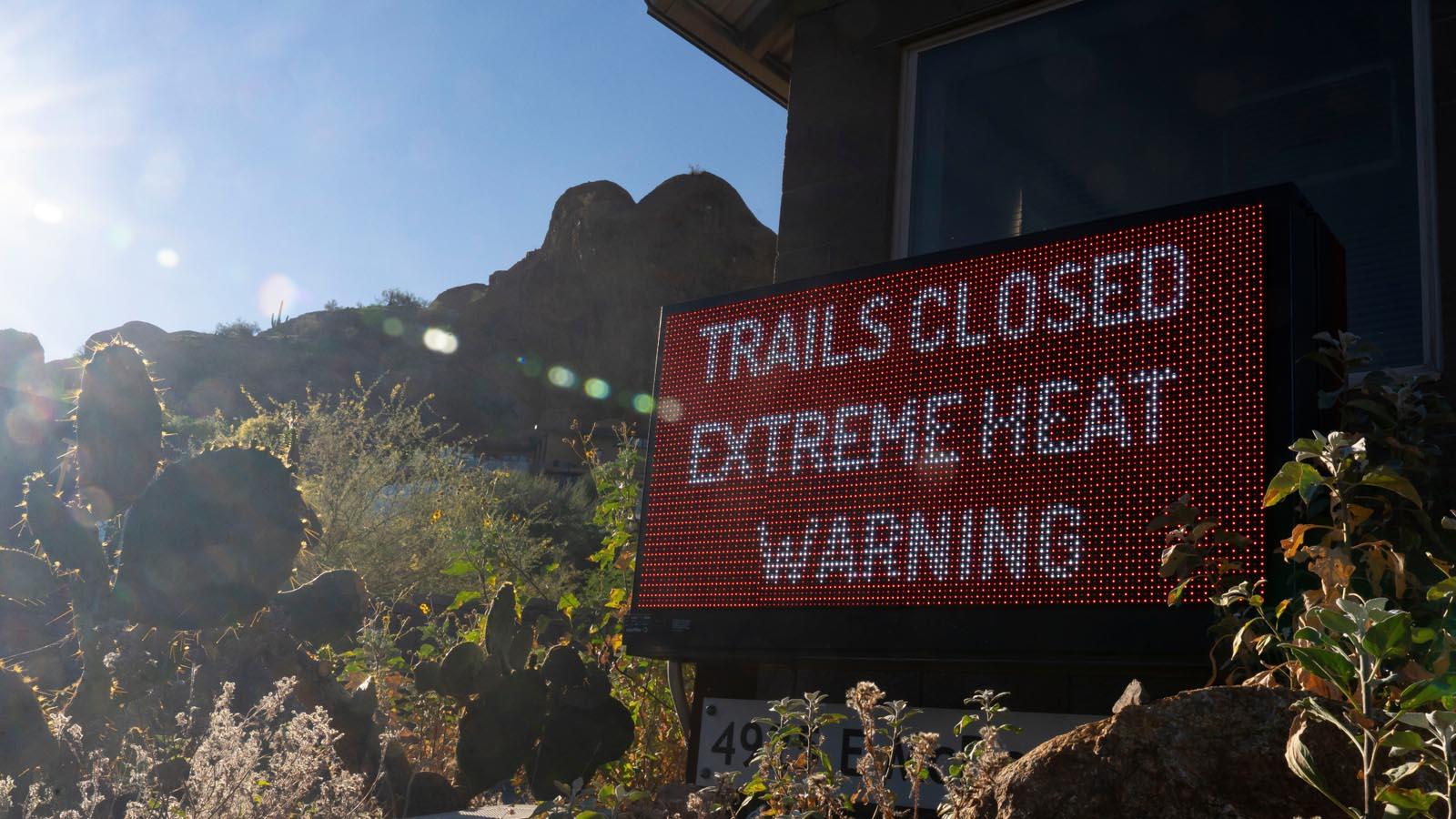
Hottest March temperature in U.S. history reached near Martinez Lake, Arizona, about 110–112°F. Phoenix hit 105°F, hottest March day on record for the city.
Historic Heat Wave
The Southwest US experienced an unprecedented March heat wave in 2026 that shattered temperature records across multiple states. Arizona recorded the hottest March temperature in US history with multiple locations, including Martinez Lake, reaching 110°F on March 19. This broke a record that had stood since 1954 according to USA TODAY.
“A small Arizona community broke the record for highest temperature ever recorded in March in the United States, reaching a scorching 110 degrees March 19 amid an early heat wave in the Southwest. The temperature hit the high mark near Martinez Lake, a recreation community in southwestern Arizona, about 45 minutes north of Yuma, the National Weather Service said. The March temperature record was first set in 1954 in Rio Grande, Texas, at 108 degrees.”
Meteorologists described this as "one of the most significant March heat waves in recorded history." KTAR noted Phoenix hit 105 degrees consecutively for three days, unprecedented in the city's meteorological records. CNN reported temperatures spiked 20 to 40 degrees above average, even breaking all-time April records.

CBS News confirmed Thermal, California, was forecast to hit 110 degrees on March 20. Climatologists called this a "giant event" with temperatures up to 30 degrees Fahrenheit above normal.
Geographic Extent
The record-breaking heat extended far beyond Arizona, affecting numerous states across the West and High Plains. Over 100 all-time March record highs were broken or tied according to CNN. USA TODAY reported more than 18 million Americans were under extreme heat warnings across multiple states.
CBS News documented cities from California to Colorado experiencing record temperatures. Las Vegas hit 99 degrees, smashing its hottest March day on record. Downtown Los Angeles reached 94 degrees, beating its previous daily high.

The Arizona Republic reported two locations near Yuma reached 112 degrees on March 20. This broke the record for the highest March temperature in US history. KTAR noted this was the first time Phoenix had reached triple digits in March for three consecutive days.
Climate Change Attribution
Climate scientists from World Weather Attribution concluded the heat wave would be "virtually impossible without human-induced climate change." The rapid attribution study found human-caused warming added 4.7 to 7.2 degrees Fahrenheit to temperatures experienced. This made what would have been uncomfortable conditions potentially dangerous.
“A rapid attribution study released Friday by the research group World Weather Attribution concluded that the current heat wave would be virtually impossible in a world without human-induced climate change.”
The Iola Register reported scientists compared temperatures to observations since 1900 and computer models. They found events as warm as March 2026 would have been virtually impossible without human-induced climate change. CNN highlighted the Climate Shift Index showed broad areas with Level 5 results.
This indicated the odds of depicted extremes had been increased fivefold by climate change. Yale Climate Connections explained the affected region is warming more dramatically than global averages. The region has a lengthening "long tail" at the hot end of the climate spectrum.
Health and Safety Impacts
The early, prolonged nature of this heat wave increased health risks, especially among sensitive populations. CNN reported the Weather Prediction Center noted limited seasonal acclimation made conditions more dangerous. The Arizona Republic emphasized authorities urged public precautions due to "historic" temperatures.
These temperatures usually arrive in May, not mid-March. The heat could worsen fire conditions in states like Nebraska. USA TODAY highlighted extreme heat is the deadliest form of extreme weather in the US.
It kills more than twice as many people yearly as hurricanes and tornadoes combined. CBS News noted Phoenix's first 105-degree day came on March 19, much earlier than usual.
The city's first 100-degree day usually comes around May 10. The Iola Register quoted Chris Field calling this a "giant events" category heat wave.