
Honolulu Officials Evacuate Over 4,000 as Wahiawa Dam Faces Potential Catastrophic Failure
Key Takeaways
- Over 4,000 residents north of Honolulu evacuated due to severe flooding.
- Wahiawa Dam, about 120 years old, at risk of imminent failure.
- No deaths or injuries reported; rescues and searches ongoing.
Mass Evacuation Ordered
Honolulu officials issued urgent evacuation orders on Friday morning as the 120-year-old Wahiawa Dam faced imminent failure due to severe flooding from Kona low storms.
Honolulu Emergency Management officials activated emergency sirens along Oahu's North Shore and issued a "LEAVE NOW" evacuation order at 5:35 a.m. for Waialua and Haleiwa residents.

The evacuation covers more than 4,000 people in the downstream risk zone, with officials warning the number could be higher.
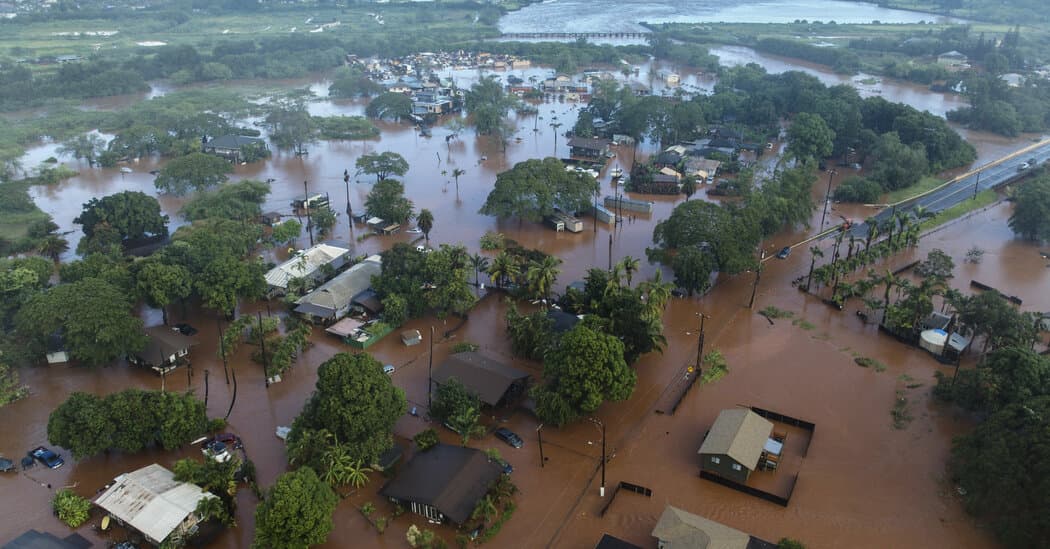
Muddy floodwaters inundated streets, pushed homes off their foundations, and swallowed vehicles across the region.
Residents were urged to carpool due to heavy traffic, and emergency services scrambled to respond as the dam's water levels rose alarmingly.
Water was actively running over the spillway as officials warned of potential life-threatening flooding and catastrophic amounts of fast-moving water.
Unprecedented Rainfall
The catastrophic flooding stemmed from unprecedented rainfall across Oahu, with northern parts of the island receiving 8 to 12 inches of rain overnight.
The island's highest peak recorded nearly 16 inches in recent days, contributing to the extreme conditions.
This deluge came on the heels of a previous storm that had already saturated the ground, creating perfect conditions for flash flooding.
The intensity and frequency of these extreme weather events have increased amid human-caused global warming.
Kona low storms—characterized by southerly winds bringing moisture-laden air—were responsible for the torrential rains.
The National Weather Service issued flash flood warnings describing "widespread life-threatening flash flooding" as significant runoff continued despite temporarily decreased rainfall rates.
Emergency Response Challenges
Emergency response efforts faced significant challenges as rescue teams worked to save stranded residents while dealing with hazardous conditions.
“Brenton Awa, a Republican who represents the North Shore, said the area that's long been popular among tourists and renowned for it's big-wave action, has seen a lot of development and newcomers in recent years”
Hawaii Governor Josh Green activated the National Guard to assist with the crisis.
Emergency crews conducted 233 rescues from treacherous floodwaters using air and water operations.
These critical efforts were hampered by civilians flying personal drones to capture images of the flooding, which obstructed search and rescue operations.
At least one evacuation shelter had to be relocated when Waialua High and Intermediate School began flooding, requiring 185 people and 50 pets to be bussed to safer locations.
Despite the widespread damage, officials reported no deaths or injuries, though Honolulu Mayor Rick Blangiardi described the destruction as "catastrophic" with dozens, potentially hundreds, of homes damaged or swept away.
Infrastructure Vulnerability
The Wahiawa Dam's potential failure represents a broader infrastructure crisis in Hawaii, where aging dams built for sugar cane production pose significant safety risks.
The century-old earthen dam, constructed in 2006 for the Waialua Agricultural Company (now Dole Food Company subsidiary), has been classified as having "high hazard potential," meaning failure could result in probable loss of human life.
While Dole has agreed to transfer ownership to the state for $20 million in necessary improvements, the transfer remains incomplete despite state warnings about needed upgrades dating back to 2009.
This incident mirrors the 2006 Ka Loko dam collapse on Kauai that killed seven people, highlighting a pattern of infrastructure vulnerability.
State records show Hawaii regulates 132 dams, most built for irrigation systems, with five dams having failed since 1912.
Experts note that dams built decades or even centuries ago were not designed to handle the intensity of recent storms, underscoring the urgent need for infrastructure investment and dam safety programs.
Climate Crisis Impact
The ongoing crisis has raised urgent questions about climate change adaptation and infrastructure resilience in Hawaii.
“American Rivers: Hawaii Dam Statistics and Experts Available as Extreme Weather Threatens River Infrastructure Contact: Hawk Hammer, National Communications and Media Director, Hhammer@americanrivers”
Governor Josh Green warned that the storm could ultimately cost more than $1 billion in damage across the public and private sectors statewide.

While water levels at the dam began to fall later Friday, evacuation orders remained in place as additional heavy rain was forecast through the weekend.
Climate experts note that the increasing intensity and frequency of Kona low storms in Hawaii align with broader patterns of human-caused global warming.
These climate changes are amplifying extreme precipitation events and putting aging infrastructure at increased risk.
The situation remains fluid with officials closely monitoring the dam's condition and weather forecasts as residents face an uncertain future.
More on Technology and Science
Hawaii Gov. Josh Green Warns of $1B Damage in Worst Flood in 20 Years
10 sources compared
Heat waves shatter March records across the U.S. Southwest, signaling climate-driven extremes.
31 sources compared
Record heat blankets the US Southwest as March logs hottest temperature in Arizona
10 sources compared

Trump administration unveils national AI framework to preempt state AI laws
31 sources compared