
Hawaii Faces Worst Flooding in 20 Years as 120-Year-Old Dam Threatens Failure
Key Takeaways
- More than 4,000 residents evacuated from Oahu's North Shore due to flooding.
- Wahiawa Dam is at high hazard and near capacity with risk of imminent failure.
- Hawaii's worst flooding in over 20 years; damages near $1 billion.
Historic Flooding Crisis
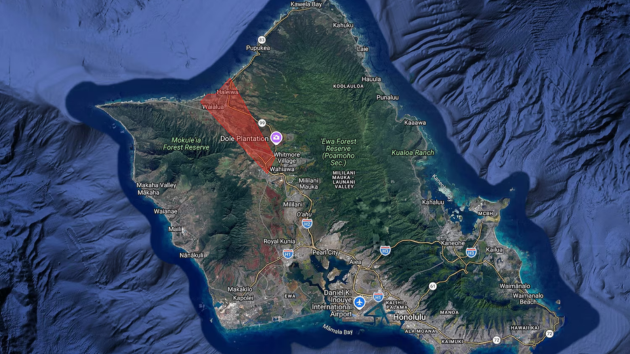
Hawaii is experiencing its worst flooding in over two decades as relentless rainfall inundated the islands, particularly affecting Oahu's North Shore, a world-renowned surfing community.
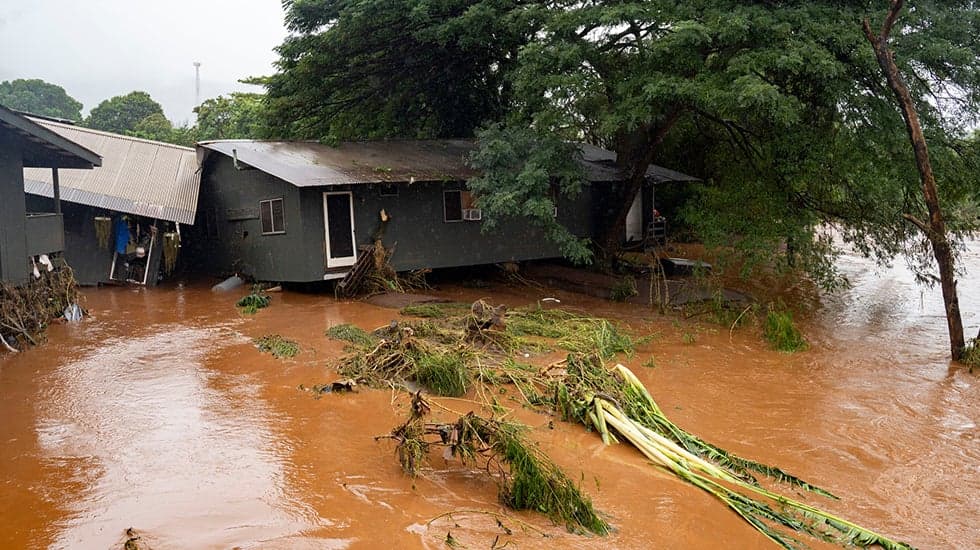
Muddy floodwaters have devastated the region, pushing homes off their foundations, swallowing vehicles, and covering streets across multiple towns north of Honolulu.

The unprecedented deluge has prompted massive evacuation orders, with approximately 5,500 residents told to leave their homes as officials declared the situation catastrophic.
Governor Josh Green estimated the storm's damage could exceed $1 billion, affecting airports, schools, roads, homes, and even a hospital in Kula on Maui.
Despite the extensive destruction, officials reported no deaths, though around 10 people were hospitalized for hypothermia, and emergency crews conducted over 230 rescues across the waterlogged island.
Dam Failure Threat
A critical element of the crisis is the imminent threat posed by the 120-year-old Wahiawa dam, which officials warn is at "risk of imminent failure" and has been classified as having "high hazard potential."
Water levels in the dam surged dramatically overnight from 79 feet to 84 feet, leaving it just 6 feet below capacity, forcing authorities to issue urgent evacuation orders for approximately 4,000 residents living downstream.
The earthen dam, originally constructed in 1906 to support sugar cane irrigation and rebuilt after its 1921 collapse, has been a source of concern for decades.
Honolulu Mayor Rick Blangiardi emphasized the severity of the situation, stating "There's no question that the damage done thus far has been catastrophic," while residents like Kathleen Pahinui expressed the community's anxiety, saying "Just pray for us, We understand there's more rain coming."
The dam's potential failure could result in "probable loss of human life" according to state engineers, making it the most immediate threat to public safety in the ongoing disaster.
Weather Patterns & Climate
The catastrophic flooding has been driven by intense winter storm systems known as "Kona lows," which feature southerly or southwesterly winds bringing moisture-laden air to the Hawaiian islands.
This weather pattern has delivered extraordinary rainfall amounts, with some areas of Oahu recording 8 to 12 inches of precipitation overnight, while Kaala, the island's highest peak, received nearly 16 inches in the previous 24 hours according to the National Weather Service.
Meteorologists warn that the situation could worsen significantly, with forecasters predicting another 6 to 8 inches of rain expected to fall across Oahu in the coming two to three days.
Climate scientists have linked the increased frequency and intensity of such heavy rainfall events in Hawaii to human-caused global warming, suggesting that these traditional storm systems have become "turbocharged" by climate change.
The combination of unprecedented rainfall volumes and already saturated ground from a winter storm the previous week has created perfect conditions for the widespread flooding and infrastructure failures now plaguing the islands.
Infrastructure Failures
The crisis has exposed significant infrastructure vulnerabilities in Hawaii's aging dam system, particularly involving the Wahiawa dam's troubled history with its current owner, Dole Food Company.
Built in 1906 to support sugar cane irrigation and rebuilt after a 1921 collapse, the dam has been known to be deficient for decades.
Civil Beat investigations revealed that Dole has been aware of potential flood risks for nearly five decades yet has failed to adequately maintain the structure.
Despite state warnings and required improvements dating back to 2009, most safety measures were not implemented, and the company was fined $20,000 in 2021 for failing to address safety concerns.
In 2023, Dole offered to donate the dam, reservoir, and ditch system to the state in exchange for Hawaii agreeing to repair the spillway, though a state board is still scheduled to vote on this arrangement.
Emergency Response
Emergency response efforts have been extensive but complicated by the scale of the disaster and ongoing weather threats.
Hawaii National Guard has been activated to assist with rescue operations, including the dramatic airlift of 72 children and adults from a spring break youth camp at Our Lady of Kea'au on Oahu's west coast.

Despite these efforts, rescue teams have faced unusual challenges from civilians operating personal drones to capture footage of the flooding, which has disrupted operations.
Emergency management officials have established shelters across the islands and are urging residents to evacuate using designated routes, with warnings that "flash flooding is happening or will happen soon."
Honolulu officials have specifically instructed residents in the evacuation zones to "LEAVE NOW" while conditions remain safe, advising them to avoid driving through flowing water and to proceed to the highest levels of their homes if evacuation is impossible.
More on Technology and Science
Hawaii Floods Force 5,500 Evacuations as Wahiawa Dam Feared to Fail
25 sources compared
Honolulu officials warn Wahiawa Dam imminent failure, evacuations and power shutoffs underway
11 sources compared
Heat waves shatter March records across the U.S. Southwest, signaling climate-driven extremes.
31 sources compared
Record heat blankets the US Southwest as March logs hottest temperature in Arizona
10 sources compared