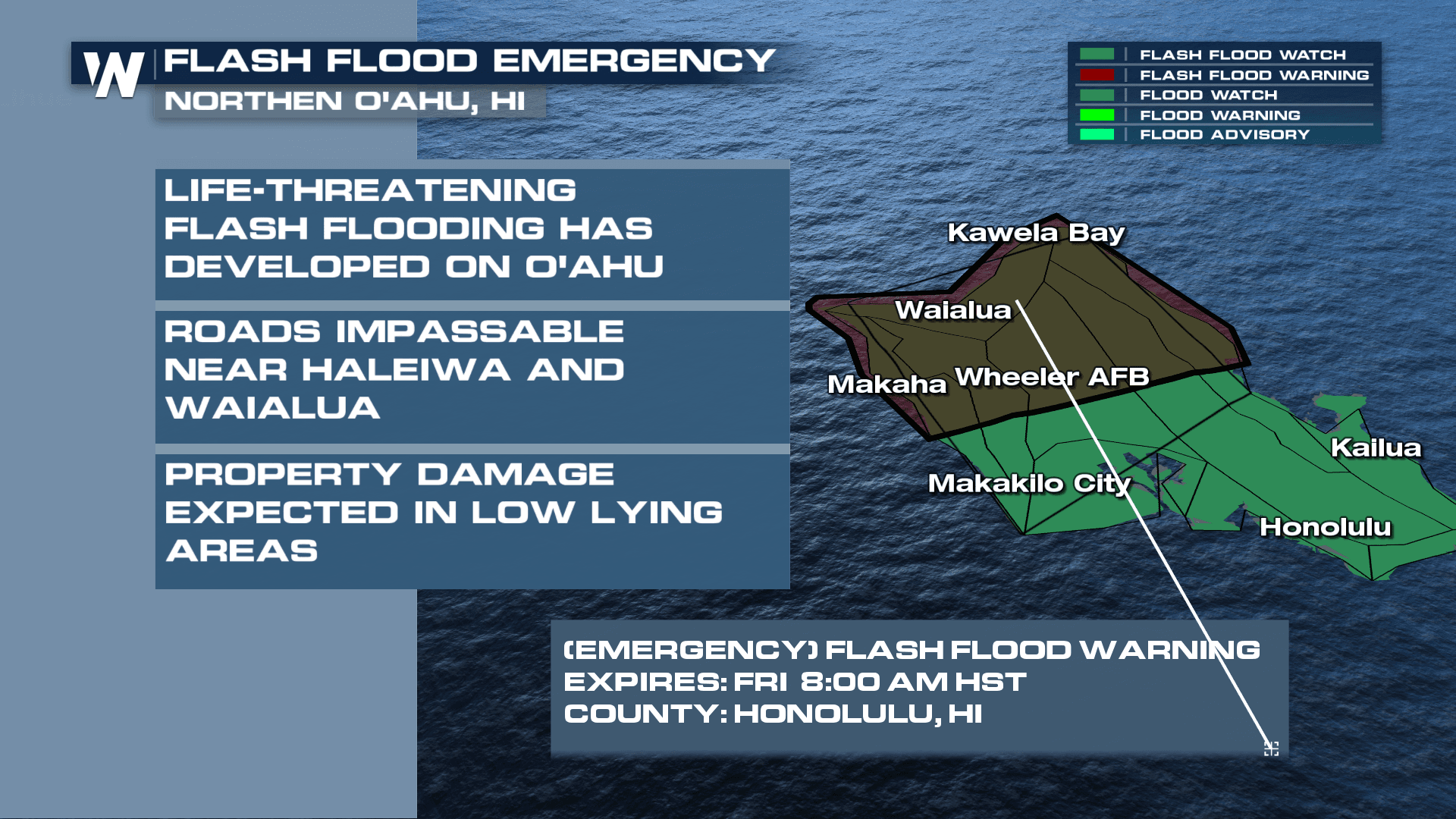
Hawaii Floods Leave More Than 2,000 Without Power As Damages Exceed $1 Billion.
Key Takeaways
- Damages projected at about $1 billion across Hawaii from floods.
- Thousands evacuated on Oahu and Maui amid the historic floods.
- Wahiawa Dam at imminent risk of collapse prompting evacuations.
Historic Flooding Event
Hawaii experienced its worst flooding in more than two decades in March 2026, as back-to-back Kona low storm systems brought catastrophic rainfall.
“Here’s what to know as the scope of damage from Hawaii’s floods becomes clearer Here’s what to know as the scope of damage from Hawaii’s floods becomes clearer HONOLULU (AP) — The worst flooding to hit Hawaii in two decades swept homes off their foundations, floated cars out of driveways and left floors, walls and counters covered in thick, reddish volcanic mud”
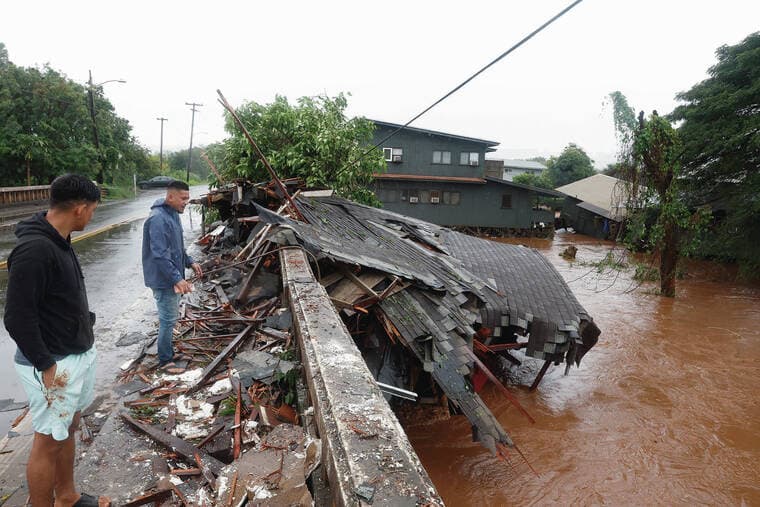
The unprecedented deluge transformed streets into rushing rivers, lifted homes off their foundations, and carried cars away.
Governor Josh Green described the disaster as 'the largest flood that we've had in Hawaii in 20 years' and 'the state's most serious since flooding since 2004.'
Officials estimated damages would exceed $1 billion, affecting airports, schools, roads, homes, and even a Maui hospital in Kula.
Some areas received 8 to 12 inches of rain overnight, with Mount Kaala recording nearly 16 inches in 24 hours.
Emergency officials called the conditions 'catastrophic flash flooding' that would have lasting consequences.
Emergency Response
Emergency responders conducted a massive rescue operation with more than 200 to 233 people rescued from rising floodwaters.
The Hawaii National Guard deployed 200 soldiers, working with Honolulu Fire Department personnel who evacuated 72 people from a youth camp.

Emergency management teams urged residents to 'LEAVE NOW' as conditions deteriorated, with 4,000 people in the dam evacuation area.
Despite the scale, no fatalities were reported, though ten people were hospitalized for hypothermia.
Evacuation orders affected 5,500 people north of Honolulu but were later lifted as water levels stabilized.
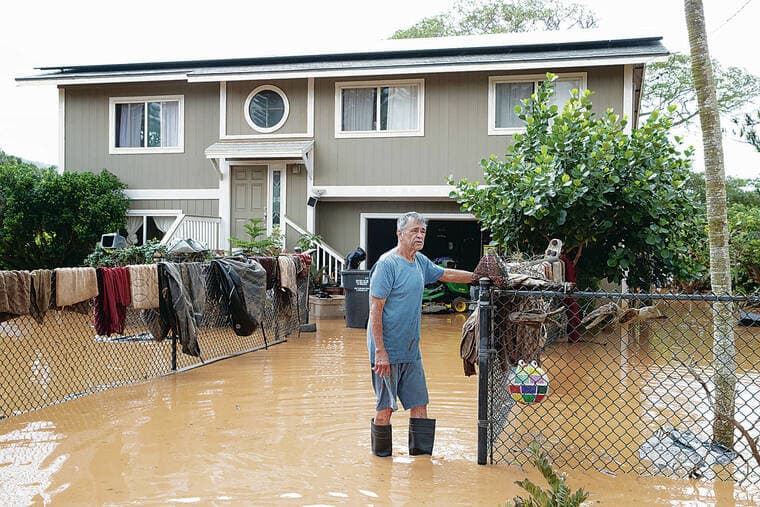
Families lost homes they had lived in for decades, facing uncertainty about their future.
Infrastructure Concerns
The disaster focused attention on Hawaii's aging infrastructure, particularly the 120-year-old Wahiawa Dam built in 1906.
“The United States Coast Guard (USCG) and Navy aircrews rescued seven people and a dog during extreme flooding in O'ahu, Hawaii”
At its peak, the dam reached 85 feet—the threshold of maximum concern—before water levels began to descend.
The privately owned dam had received four deficiency notices since 2009 and a $20,000 fine for not fixing faults.
Emergency officials warned the dam's potential failure posed an existential threat to downstream communities.
Social media posts urged residents 'Leave the downstream area immediately!' and noted road failure risks.
The incident highlighted concerns about infrastructure maintenance in an era of extreme weather.
Economic Impact
The economic impact is expected to exceed $1 billion, with Governor Josh Green warning 'very serious consequences for our state.'
Damage included impacts on airports, schools, roads, and a hospital in Maui's Kula area.

Farmers reported $9.4 million in agricultural losses, including $2.7 million in crop losses on Oahu.
Hawaiian Electric worked to restore power to more than 2,000 customers who remained without electricity.
The utility had already restored service to about 1,200 people in Waialua on Oahu's North Shore.
The cleanup faced challenges with Hawaii's volcanic soil creating a 'nightmare to clean up' rusty mud.
Climate Context
Meteorologists identified the disaster as part of a broader pattern of increasingly extreme weather linked to global warming.
“Saturday, March 21, 202674°Today's Paper ByChloe JonesandAllison Schaeferscjones@staradvertiser”
Consecutive Kona low systems created a perfect storm scenario where the second storm arrived on already saturated terrain.
Experts note that 'the intensity and frequency of heavy rains in Hawaii have increased amid human-caused global warming.'
The event highlighted urgent need for infrastructure modernization and climate adaptation strategies.
This includes retrofitting aging dams and redesigning urban drainage for extreme rainfall events.
The $1 billion price tag underscores the economic imperative of preparedness and 'anticipatory governance.'
Human Impact
Beyond statistics, human stories of loss and resilience emerged as communities began recovery.
Marck Aphay lost the duplex he had inhabited for 12 years when floodwaters carried it 400 meters to crash into a bridge.
He told Hawaii News Now: 'I don't have many words to explain this. There are things that can be replaced, but others cannot, like photos.'
Melanie Lee, who lost her home of nearly 20 years, expressed the uncertainty: 'Where do we go from here?'
The disaster revealed vulnerabilities of marginalized communities like senior housing residents.
Despite challenges, Hawaii's 'aloha spirit' emerged as communities organized clean-up efforts and mutual aid.
More on Technology and Science
UN Says 2025 Heat Will Last Thousands of Years
11 sources compared

UN Warns 2025 Heat Record Will Endure for Thousands of Years
14 sources compared
Hawaii Suffers Its Worst Floods in Over 20 Years, Prompting Thousands to Evacuate
46 sources compared

Kona Low Storms Strike Oʻahu and Maui, Hawaii Faces Worst Flooding in 20 Years
24 sources compared