Full Analysis Summary
Northern Scotland snow disruption
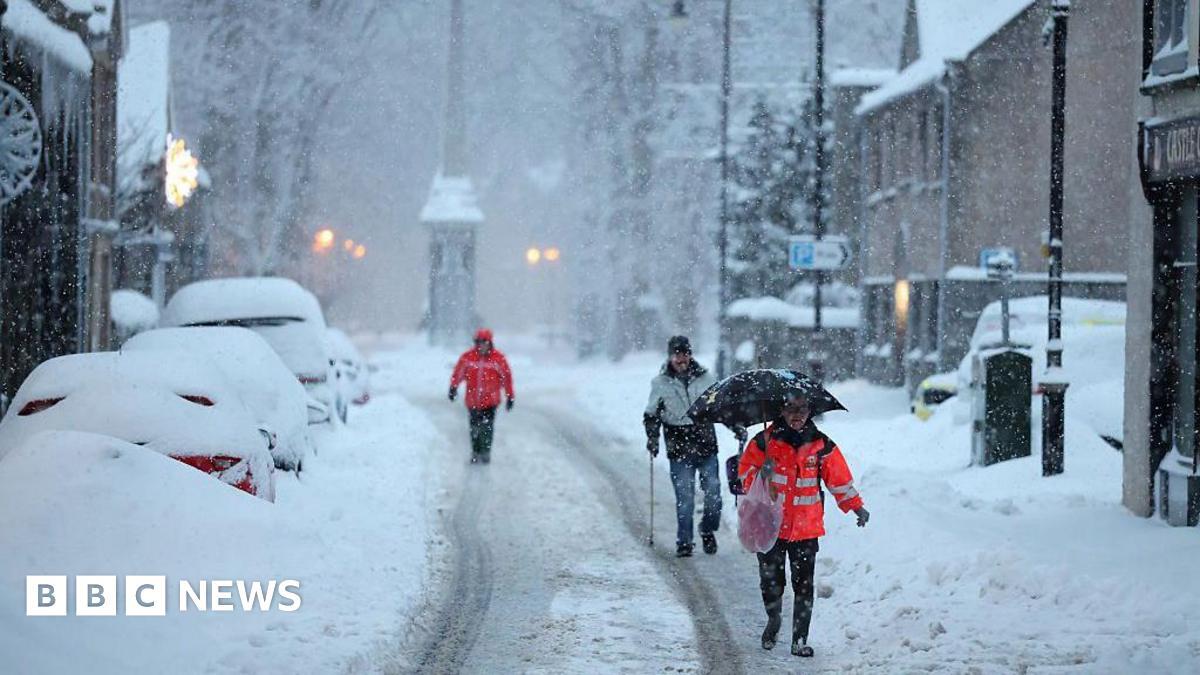
Heavy snow and persistent icy conditions have forced many schools across northern Scotland to close for a third consecutive day.
Local authorities reported extensive disruption to education and services as fresh snow and ice were expected to continue.
The Met Office issued warnings covering large swathes of northern Scotland, and hundreds of schools in areas including Aberdeenshire, Moray, Orkney and Shetland were affected, with some councils keeping entire networks of nurseries and schools shut as a precaution.
Travel problems, from blocked roads to disrupted rail services, have compounded the impact on communities already responding to deep drifts and freezing temperatures.
Coverage Differences
Warning-level emphasis and geographic scope
Sources differ on the emphasis and framing of the Met Office warnings and the geographic scope most at risk. Herts Advertiser (Other) focuses on a yellow warning “for snow and ice across the northern half of the country” and warns of specific accumulations, while Express & Star (Western Tabloid) highlights amber warnings for parts of Scotland and urges people to avoid unnecessary travel. Sky News (Western Mainstream) frames the situation as part of an “Arctic blast” and reports a larger set of notices — “three amber and 23 yellow warnings” — emphasising widespread impact. Each source reports the Met Office alerts, but they highlight different tiers and scales.
Local incident details vs national framing
Local outlets report specific council actions and community risk (for example Aberdeenshire declaring a major incident), whereas national outlets emphasise broader weather patterns and travel disruption. Herts Advertiser (Other) reports Aberdeenshire’s major incident declaration and warnings about rural communities being cut off; Sky News (Western Mainstream) stresses the Arctic blast and very low temperatures, and Express & Star (Western Tabloid) lists affected island groups and practical travel guidance. The three report the same events but choose different focal points — local emergency status, meteorological extremes, and travel advice respectively.
Snow disruption and closures
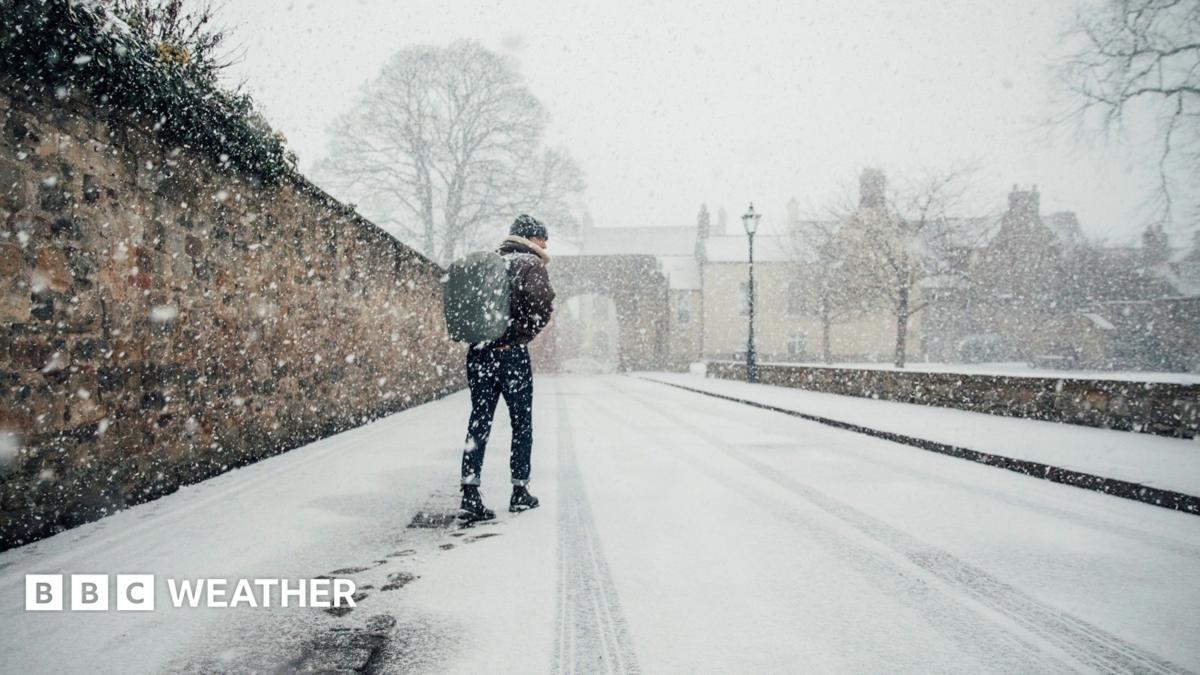
Local authorities reported targeted closures and emergency responses.
Aberdeenshire kept all schools and council-run nurseries closed and declared a major incident, warning rural communities could be cut off and that power cuts were possible.
Other councils across the Highlands, Moray, Orkney and Shetland confirmed widespread school shutdowns, while some individual schools or parts of Aberdeen adopted staggered or delayed opening arrangements.
Officials said the closures were precautionary amid forecasts of further snow and drifting.
Coverage Differences
Specific local action vs wider lists of closures
Herts Advertiser (Other) provides local, specific detail — “all schools and council-run nurseries in Aberdeenshire remain closed” and that Aberdeenshire “declared a major incident” — whereas Express & Star (Western Tabloid) presents a wider list naming island groups and counties with many schools closed and noting some staggered openings (e.g., Aberdeen schools open at 11:00). Sky News (Western Mainstream) offers a broader statement — “Hundreds of schools have closed” — without naming the same level of local administrative detail. Each source reports the same closures but at different levels of granularity and focus.
Tone about risk to communities
Herts Advertiser (Other) uses urgent local terminology by reporting a “major incident” and explicit warnings that rural communities could be cut off, while Express & Star (Western Tabloid) and Sky News (Western Mainstream) emphasise disruption and travel impacts more than the emergency-status wording. This shows a local source prioritising immediate community risk and council action, while national outlets frame the story through disruption and weather systems.
Snow-related travel disruption
Transport networks suffered major disruption as roads, airports and rail services were all affected.
Some train lines were reported blocked by snow drifts of up to 1.2 m.
Flights, including regional Loganair services, were cancelled.
Liverpool John Lennon Airport briefly closed a runway before reopening.
Passengers were warned to check with airlines as delays and cancellations remained likely.
Several rail routes around Aberdeen and Inverness were said to be unlikely to run until at least midday on affected days.
Coverage Differences
Specifics of rail disruption vs airport status
Herts Advertiser (Other) supplies a striking detail about rail lines being “blocked by snow drifts up to 1.2 m,” while Express & Star (Western Tabloid) emphasises cancelled flights and that a Liverpool runway “was briefly closed.” Sky News (Western Mainstream) reports the runway has “reopened” but still warns passengers about delays — showing a temporal difference in reporting airport status. All sources report travel disruption but stress different transport modes and detail levels.
National advice vs operational updates
Express & Star (Western Tabloid) provides operational advice for motorists and emphasises planning and winter kit, whereas Sky News (Western Mainstream) focuses on the status update (runway reopened) and temperature records. Herts Advertiser (Other) underscores the local severity of blocked lines and the possibility of communities being cut off. These differences show tabloid emphasis on practical guidance and gratitude to frontline staff, national broadcast focus on broad operational status and extreme temperatures, and local press attention to immediate community risk.
Snow forecast variations
Forecasters gave varying accumulation ranges and stressed ongoing risk.
Herts Advertiser cited forecasts of a further 5-10 cm above 100 m and up to 20 cm above 200 m in the north.
Express & Star expected 5-10 cm of snow at low levels and 20-30 cm on high ground.
Sky News described an Arctic blast, reported a very low temperature reading (-12.5°C), and gave slightly different guidance of typical accumulations of 2-5 cm and 10-15 cm possible above 200 m in some areas.
The varying numeric ranges and warning levels across reports reflect differing local forecasts and editorial emphasis on severity.
Coverage Differences
Quantitative forecast variation
Sources provide different accumulation figures: Herts Advertiser (Other) reports “5–10 cm above 100 m and up to 20 cm above 200 m,” Express & Star (Western Tabloid) reports “5–10 cm of snow at low levels and 20–30 cm on high ground,” and Sky News (Western Mainstream) reports “2–5 cm and 10–15 cm possible above 200 m” for parts of Scotland. These differences likely arise from quoting different Met Office warning areas or emphasizing different worst-case scenarios; the sources are reporting official forecasts but choose different excerpts to highlight.
Emphasis on temperature extremes vs warning-system explanation
Sky News (Western Mainstream) emphasises the cold snap with a temperature record (“low of −12.5°C at Marham”) and calls the event an “Arctic blast,” while BBC (Western Mainstream) focuses on explaining the Met Office’s three-tier warning system and urging readers to follow official updates. The BBC provides explanatory context for how to interpret Yellow/Amber/Red categories, contrasting with Sky’s focus on extremes and Express’s focus on accumulations and travel advice.
Emergency messaging and response
Public messaging and frontline response combined safety advice with local emergency action.
Tabloids and local papers urged motorists to prepare vehicles, carry winter kits, and thanked gritter drivers, chainsaw teams, and police for keeping communities moving.
National broadcasters and the BBC provided operational updates and safety guidance, including pet-care advice and appeals for eyewitness photos.
At the local level, Aberdeenshire’s declaration of a major incident flagged immediate risks such as possible power cuts and isolation of rural communities.
Authorities said they were working with partners to support vulnerable areas.
Coverage Differences
Practical guidance and gratitude vs explanatory safety guidance
Express & Star (Western Tabloid) emphasises practical advice and thanks to frontline staff — it “thanked frontline staff — gritter drivers, chainsaw teams, police and others” and encourages motorists to plan ahead and carry winter kits — whereas BBC (Western Mainstream) provides broader safety and animal-care guidance and asks readers to submit photos and accounts. Herts Advertiser (Other) reports local emergency warnings about communities being cut off, showing a local focus on immediate societal risk rather than national-level practicalities or explanatory guidance.
Local emergency framing vs national operational notices
Herts Advertiser (Other) uses firm local emergency language — “declared a major incident” and warned rural communities could be cut off and power cuts possible — while national outlets (Sky News, BBC) present wider operational updates and safety information. This highlights how local reporting prioritises direct community risk and council actions, and national reporting emphasises broader public information and context.
