Full Analysis Summary
Heglig oil deal overview
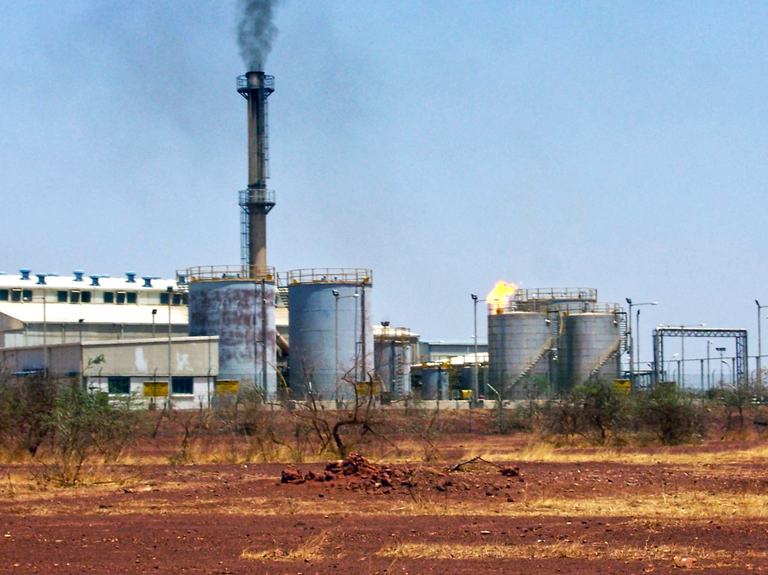
As 2024 opened, regional diplomacy and back-channel talks intersected with battlefield priorities when a tripartite deal temporarily neutralised the Heglig oil fields in West Kordofan.
According to reporting, the arrangement saw the Sudanese Armed Forces (SAF) withdraw from Heglig, while the South Sudan People’s Army took over security of oil infrastructure that processes about 130,000 barrels of South Sudanese crude for export through Sudan.
The deal followed a broader Quartet push (US, Saudi Arabia, Egypt, UAE) for a humanitarian truce — a proposal the SAF rejected while the Rapid Support Forces (RSF) accepted — underscoring how diplomatic efforts and economic calculations moved in parallel at the start of the year.
Coverage Differences
Limited-source comparison / missed perspectives
Only Dabanga Radio TV Online is provided. Therefore, cross-source contrasts (e.g., Western mainstream vs. regional outlets or Western alternative perspectives) cannot be established from the supplied material. The single source emphasizes the factual sequence (Quartet deadline, SAF rejection, RSF acceptance, and the Heglig arrangement) but does not allow comparison of how different outlet types frame motives, humanitarian framing, or international legal characterizations.
Economic motives behind Heglig pact
Observers framed the Heglig arrangement as primarily an economic safeguard rather than a humanitarian success.
Dabanga reports the pact was framed as protecting economic assets after direct talks involving South Sudan’s President Salva Kiir, SAF commander‑in‑chief Lt Gen Abdel Fattah, and RSF leader Lt Gen Mohamed 'Hemedti' Dagalo.
Analysts interpreted this as evidence that both sides are guided by resource flows, noting the pact highlights the economic logic of the war and that both sides depend on oil and gold to finance fighting, which helps explain the readiness to negotiate over key export infrastructure even while broader hostilities continue.
Coverage Differences
Narrative focus / missed perspectives
With only Dabanga's account, the emphasis is on economic motives ('economic logic') and elite bargaining over assets. Without other outlet types, it's not possible to contrast this economic framing with, for example, humanitarian-centred reporting or state security narratives from SAF/RSF-aligned media. Dabanga reports the claim that the pact was 'framed as protecting economic assets', but we cannot verify how other sources might prioritise different explanations.
Humanitarian and political effects
Humanitarian voices and critics in the piece argue the deal exposed a troubling prioritisation: protection of revenue streams over civilian safety.
Dabanga records direct criticism, naming activist Arwa El Siddig and military commentators, who warned that focusing on neutralising oilfields left other conflict zones and civilians vulnerable and that Kordofan could face sieges, killings and displacement like North Darfur’s El Fasher.
Military commentators in the report described the deal as a political win for the RSF and a sign of SAF's weakened position, illustrating how resource-centred arrangements can reshape battlefield power balances.
Coverage Differences
Tone / severity emphasis
Dabanga adopts a critical tone highlighting civilian neglect and power shifts; because no other sources are provided, we cannot show whether other outlets would use stronger terms (e.g., 'genocide') or softer diplomatic language. The single-source coverage foregrounds activist warnings and military commentary rather than contrasting, say, SAF public statements or RSF official rationales beyond acceptance.
Heglig deal implications
The Heglig deal serves as a lens on how economic imperatives drive conflict decisions: controlling export infrastructure directly affects funding and leverage, prompting negotiated arrangements even as broader ceasefire initiatives are rejected.
However, the reporting is limited in scope — it documents the actors and immediate criticisms but omits detailed terms of the tripartite arrangement, enforcement mechanisms, timelines, and broader international responses.
Because only this source is available, assessments that require cross-checking, alternative framings, or additional evidence remain ambiguous and should be treated as provisional.
Coverage Differences
Missing detail / ambiguity
Dabanga provides facts about who brokered and accepted the Heglig deal and frames it as protecting economic assets, but does not include the agreement's text, duration, enforcement details, or diverse international reactions. Because no other sources are supplied, it's not possible to reconcile these omissions or to contrast them with other outlets' coverage.