Hengli Petrochemical Denies Iran Oil Trade After U.S. Sanctions on Subsidiary
Key Takeaways
- U.S. sanctions Hengli Petrochemical's Dalian refining unit over alleged Iranian crude purchases.
- Hengli denies Iran trade; stock filing cites no Iran deals; suppliers confirm crude origins.
- Hengli seeks removal; plans legal avenues following sanctions.
Sanctions Hit Hengli
China’s Hengli Petrochemical denied any trade dealings with Iran after the United States imposed sanctions on one of its subsidiaries for allegedly buying Iranian oil, a denial it said came in a stock exchange filing.
Reuters reported the company stated it "has never engaged in any trade with Iran," and that all its crude oil suppliers "guaranteed that the origins of the crude oil supplied do not fall within the scope of US sanctions".

Hengli also said it has sufficient crude oil inventories to meet processing needs for more than three months and that its crude oil procurement activities have not been affected in any way.
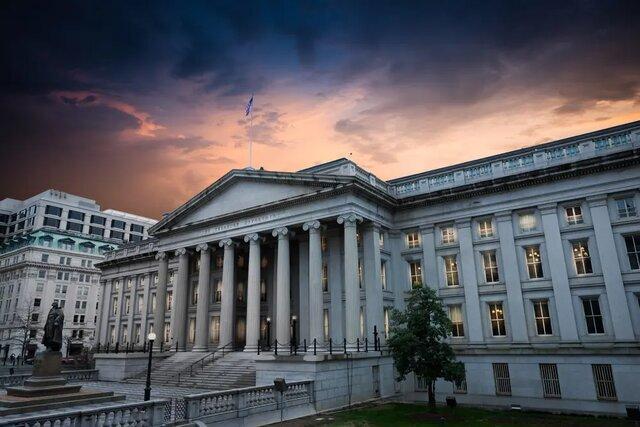
The denial arrived after the U.S. Treasury’s Office of Foreign Assets Control (OFAC), reportedly, sanctioned Hengli Petrochemical (Dalian) Refinery Co., described as China’s second-largest independent or "teapot" refinery.
The U.S. action was framed as part of the Trump administration’s "Economic Fury" campaign, with Treasury Secretary Scott Bessent saying the U.S. is imposing a "financial stranglehold on the Iranian regime, hampering its aggression in the Middle East and helping to curtail its nuclear ambitions."
China rejected the move, with a spokesperson for the Chinese embassy in Washington saying: "We call on the US to stop politicising trade and sci-tech issues and using them as a weapon and a tool and stop abusing various kinds of sanction to hit Chinese companies."
OFAC’s Case and Wind-Down
The U.S. sanctions were announced as Washington and Tehran prepared for another round of peace talks over the weekend, according to CNBC.
The Treasury Department targeted Hengli Petrochemical (Dalian) Refinery, which it said is one of Iran’s largest customers of crude oil and petroleum products, and the Office of Foreign Assets Control said it also imposed sanctions on about 40 shipping companies and vessels operating as part of Iran’s shadow fleet.

China’s Ministry of Foreign Affairs denounced the measures during a Monday press conference, with spokesperson Lin Jian saying, "China always opposes unilateral sanctions that have no basis in international law."
Lin’s remarks came after the U.S. Treasury issued a general license allowing the wind-down of transactions involving Hengli Petrochemical (Dalian) Refinery Co.
PressTV and TRT World both described the U.S. sanctions as targeting Chinese refineries over alleged links to Iran, with TRT World adding that the measures were called “illicit” by China.
In a separate framing, marketscreener’s account of OPIS reporting said General License V permits transactions involving Hengli Petrochemical (Dalian) Refinery Co. and any entity in which Hengli holds a stake of 50% or more solely for wind-down purposes until 12:01 a.m. EDT on May 24.
Hengli said it would pursue legal avenues to seek removal of its Dalian refinery from U.S. sanctions, and it also said it has sufficient crude oil supply to meet processing needs for more than three months.
Beijing’s Wider Argument
Beyond the company-level dispute, China’s foreign ministry linked the sanctions fight to its broader position on the U.S.-Iran standoff over Iran’s nuclear program.
PressTV reported that Lin Jian said China urged the U.S. to abandon the wrong practice of abusive sanctions and long-arm jurisdiction, adding that China “will firmly safeguard the lawful rights and interests of Chinese companies.”
PressTV also said China called on the U.S. to demonstrate “sincerity” in resolving its prolonged standoff with Iran over its nuclear program, while censuring the joint US-Israeli military aggression against the country.
In its latest Non-Proliferation Treaty (NPT) report, Beijing said Washington is responsible for the current diplomatic impasse with Tehran, and PressTV quoted the report’s claim that the U.S. and Israel’s military aggression against Iran, both in June 2025 and on February 28, “seriously violated international law and the purposes of the UN Charter.”
PressTV further said Beijing described Washington’s unilateral withdrawal from the Joint Comprehensive Plan of Action (JCPOA) as the “root cause” of the current diplomatic standoff between the US and Iran.
TRT World echoed the foreign ministry’s stance, quoting Lin Jian in Beijing: "China always opposes unilateral sanctions that have no basis in international law," and "China urges the US to abandon the wrong practice of abusive sanctions and long-arm jurisdiction."
Devdiscourse similarly described Lin Jian condemning the sanctions as unlawful unilateral measures and urged the U.S. to cease sanction abuse and respect international law.
Market and Legal Fallout
The sanctions also triggered immediate market and operational concerns tied to Hengli’s status as a “teapot” refinery and the U.S. focus on Iran-linked crude.
TRT World said shares of Hengli Petrochemical fell as much as 10 percent on Monday after the U.S. sanctions, while CNBC described how the Trump administration’s earlier sanctions on Hebei Xinhai Chemical Group, Shandong Shouguang Luqing Petrochemical, and Shandong Shengxing Chemical created hurdles including difficulties receiving crude and having to sell refined products under different names.
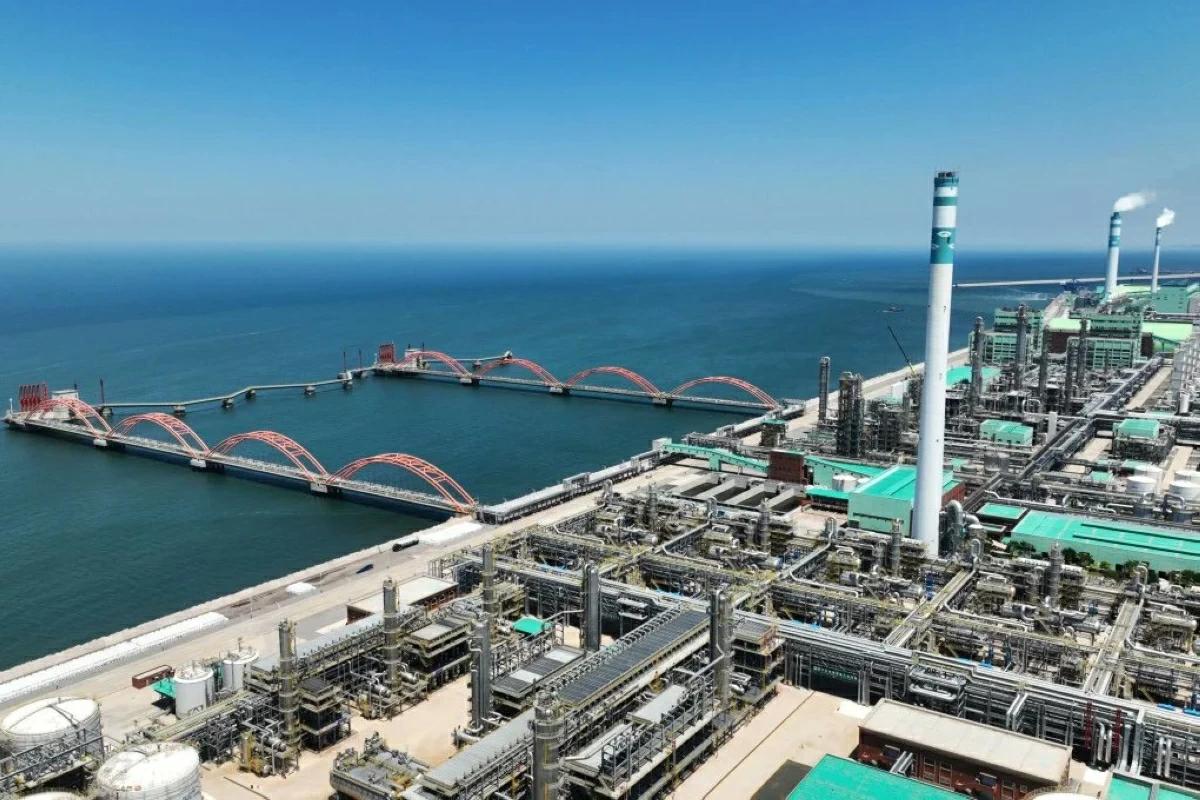
CNBC said teapots account for a quarter of Chinese refinery capacity and operate with narrow and sometimes negative margins, and it described how the U.S. sanctions block U.S. assets of designated entities and prevent Americans from doing business with them.
CNBC also said sanctions deterred some larger independent refiners from buying Iranian oil, while noting that sanctions experts have long said independent refineries are somewhat immune to the full effect because they have little exposure to the U.S. financial system.
In the same CNBC report, Treasury Secretary Scott Bessent said the U.S. is imposing a "financial stranglehold" and added that "Treasury will continue to constrict the network of vessels, intermediaries, and buyers Iran relies on to move its oil to global markets."
CNBC reported that Bessent told reporters at the White House on April 15 that the Treasury has written to two Chinese banks and "told them that if we can prove that there is Iranian money flowing through your accounts, then we are willing to put on secondary sanctions."
Marketscreener’s OPIS-based account said Hengli would continue to conduct yuan-settled oil transactions to ease investors’ concerns and that the sanctions target only its Dalian refinery unit and related subsidiaries, not its other entities.
What Comes Next
The immediate next steps in the U.S. sanctions regime revolve around the wind-down period and the possibility of further tightening through secondary sanctions.
Marketscreener’s OPIS account said General License V allows wind-down transactions until 12:01 a.m. EDT on May 24, after which they will be prohibited under U.S. sanction rules, and it described Hengli as seeking legal avenues to remove its Dalian refinery from U.S. sanctions.

CNBC said the Trump administration imposed sanctions on Friday as Washington and Tehran head into another round of peace talks over the weekend, and it described how Washington previously issued temporary sanction waivers allowing limited Iranian oil transactions that were not renewed after they expired.
CNBC also said the teapot refiners had to pay premiums over international Brent oil prices to buy Iranian oil after Washington’s temporary waiver of sanctions on Iranian oil at sea raised expectations that India might buy more of the oil, and it said last week the U.S. allowed the waiver to expire.
In parallel, NDTV Profit reported that OFAC sanctioned Hengli Petrochemical (Dalian) Refinery Co. and described the Treasury’s allegation that Hengli received Iranian crude oil shipments overseen by Sepehr Energy Jahan Nama Pars Company, the oil sales arm of Iran’s Armed Forces General Staff, generating hundreds of millions of dollars in revenue for the Iranian military.
NDTV Profit also said OFAC sanctioned approximately 40 shipping companies and vessels operating as part of Iran’s shadow fleet, and it quoted Bessent describing the U.S. goal as a "financial stranglehold".
China’s embassy in Washington rejected the approach, with the spokesperson saying, "We call on the US to stop politicising trade and sci-tech issues and using them as a weapon and a tool and stop abusing various kinds of sanction to hit Chinese companies."
More on China

China Sends Ping Ping And Fu Shuang To Zoo Atlanta Ahead Of Trump’s Beijing Visit
15 sources compared
Trump Extends U.S.-Iran Ceasefire Indefinitely After Iran Misses Talks in Islamabad
21 sources compared

Baroness Jacqui Smith Moves To Make Phone Bans Statutory In England Schools
10 sources compared

Honor Robot Wins Beijing Half-Marathon, Beating Jacob Kiplimo’s World Record
15 sources compared