
Hezbollah, Iran's IRGC Launch Coordinated 93 Attacks, Fire 600 Rockets And Drones
Key Takeaways
- Hezbollah launched 93 attacks on Israel in 24 hours, the largest since early March.
- Missiles, rockets, and drones targeted Israeli targets and military assets.
- This event is framed as part of an ongoing Hezbollah-Israel escalation.
New development: 93-attacks
The assaults were focused on missiles, anti-tank missiles, and loitering drone strikes, targeting Israeli forces, installations, and settlements.
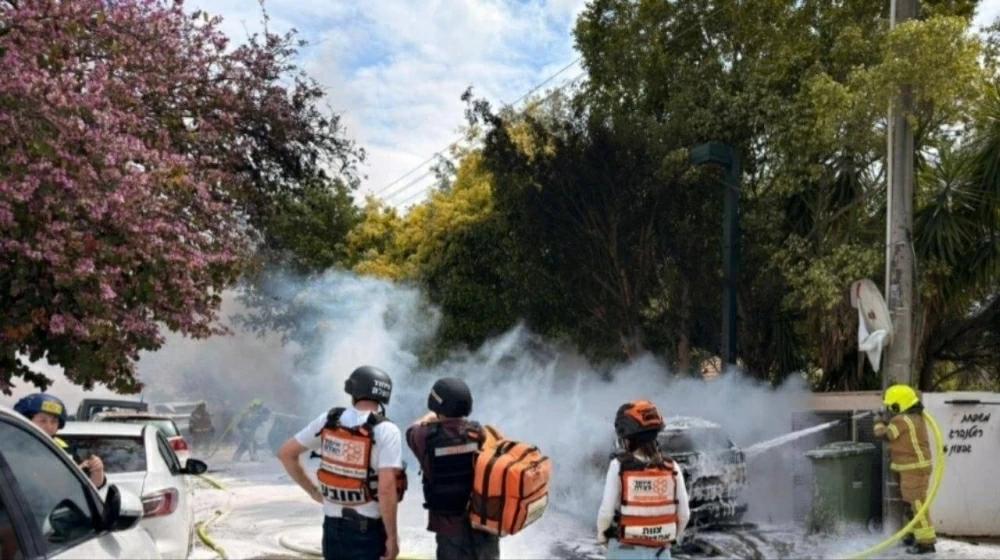
Iran’s Islamic Revolutionary Guard Corps launched the 83rd wave of its 'True Promise 4' operation in parallel.
The group described the day as a broad offensive, with Hezbollah reporting dozens of strikes against Israeli targets in West Asia.
Al-Manar highlights Hezbollah actions across northern occupied Palestine, including direct hits on armored targets and formations.
Weapon mix and scale
The assaults featured missiles, anti-armor missiles, and loitering drones.
The operations utilized a combination of rockets, anti-armor missiles, and one-way attack drones (suicide drones).
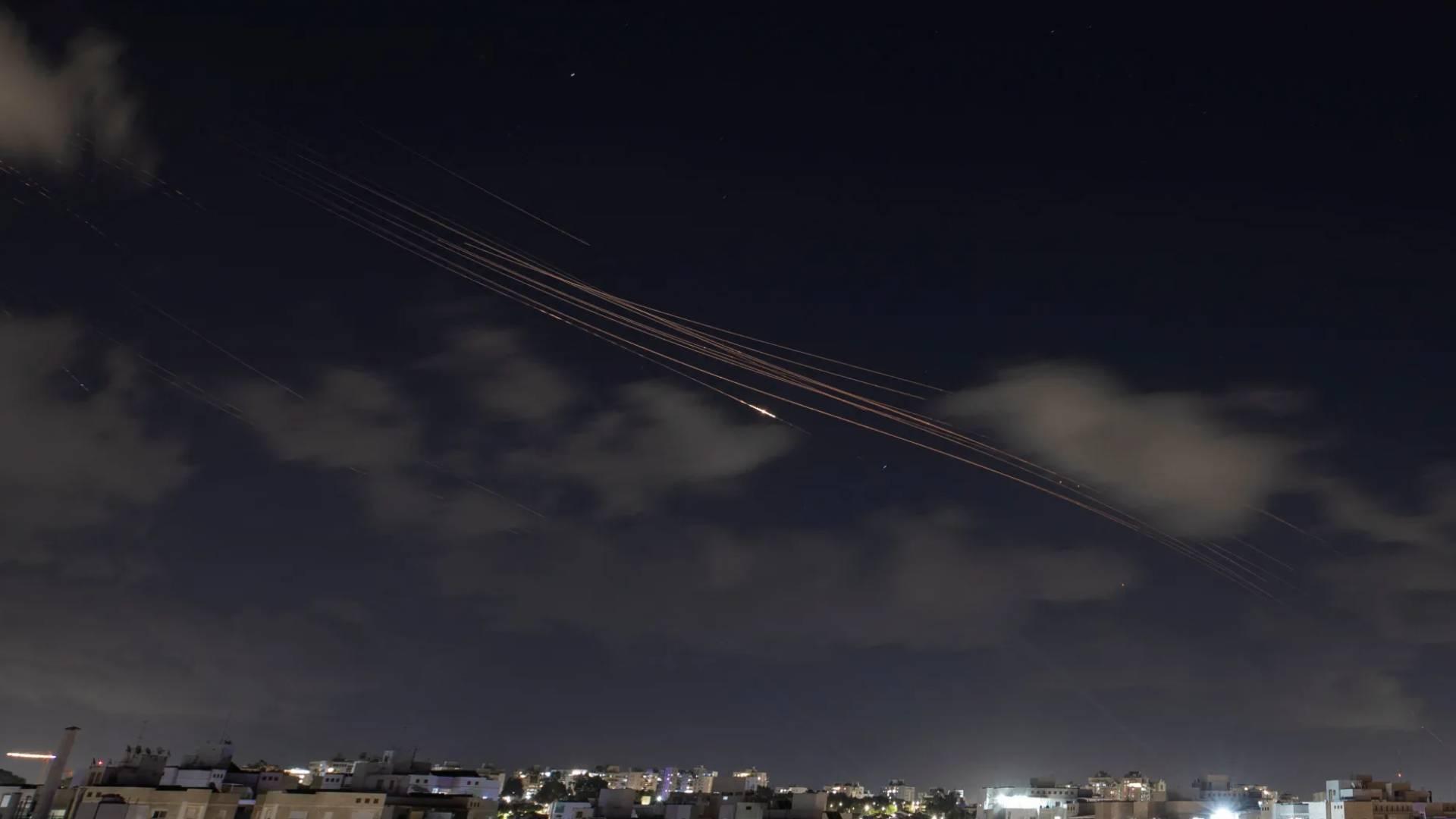
Israel 24 reported that Hezbollah launched approximately 600 rockets and drones within a 24-hour period, the majority of which targeted Israeli military positions in southern Lebanon.
Al-Manar highlights direct hits on Merkava tanks and other Israeli assets with loitering munitions.
Casualties and spread
Lebanon has recorded 1,094 deaths, 3,119 injured, and over one million displaced since March 2.
“Note: AI technology was used to generate this article’s audio”
According to 'Israeli' media, Hezbollah and Iranian attacks killed three Israelis and wounded 39, including military personnel.
On Thursday, the Israeli Defense Forces (IDF) announced the deaths of two soldiers and the injury of four others, including two officers, during ongoing combat in southern Lebanon.
Clashes have extended from southern Lebanon into central and southern Israel, widening the geographic footprint of the conflict.
Political dynamics and demands
Hezbollah’s actions are situated within a broader political flare that includes messaging to Lebanon amid diplomatic shifts, with reports that Hezbollah called on Lebanon to 'immediately reverse' Iran ambassador's expulsion.
The fighting is described alongside efforts to repel Israeli infiltration and ground incursions, indicating a broader aim beyond isolated raids.
Iranian involvement, including the IRGC’s waves under True Promise 4, features prominently in the framing of the conflict as a multi-state contest rather than a bilateral confrontation.
Implications for West Asia
The escalation is part of a broader pattern of sustained confrontation that has drawn regional and international attention to the dynamics between Israel, Iran, and allied groups.
“Beirut / Anadolu Agency Hezbollah announced on Friday that it carried out 46 attacks with missiles and drones against Israeli settlements, forces, vehicles, and military sites”
Analysts interpret the 93-attacks as evidence of a sustained, multi-front strategy rather than a one-off strike, signaling potential longer-term pressure on Israeli, Lebanese, and regional security frameworks.
With Iran and Hezbollah signaling continued operations and parallel campaigns, the risk of escalation into wider West Asian theaters remains a central concern for regional stability.
More on Lebanon
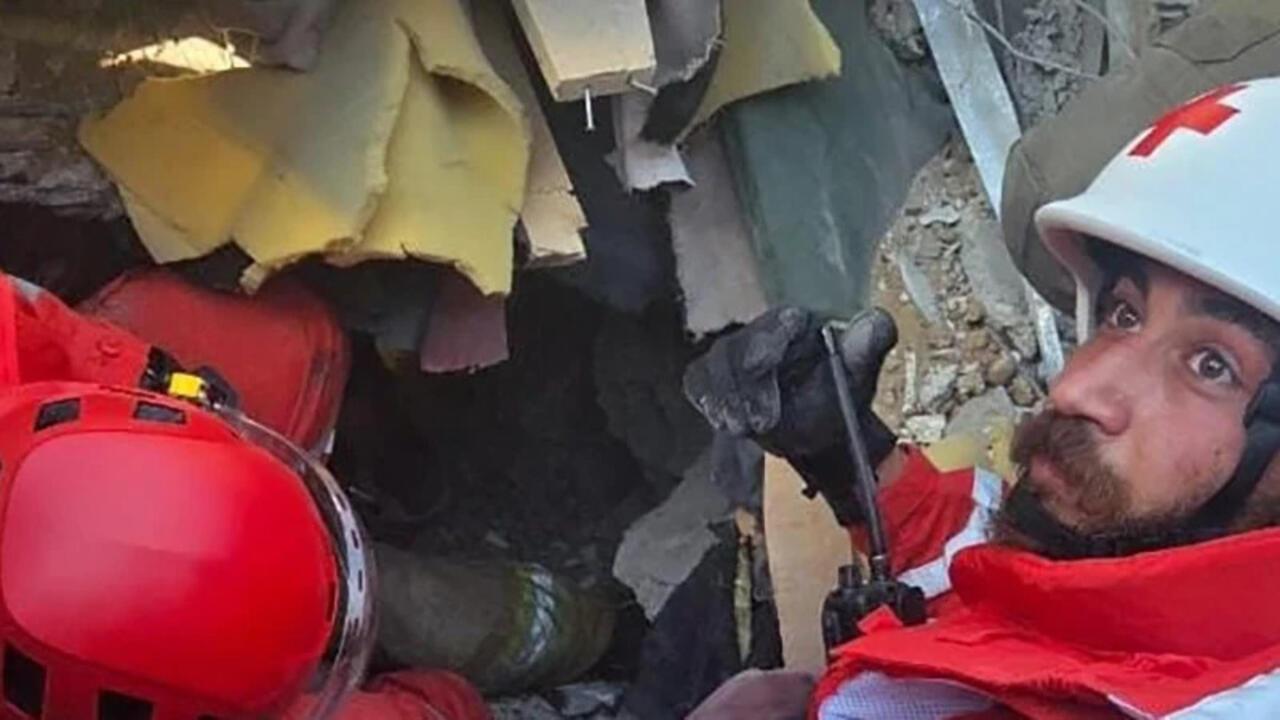
Israel Says Al-Manar Reporter Ali Shoaib Was Hezbollah Operative After Strike Killed Three Journalists
24 sources compared
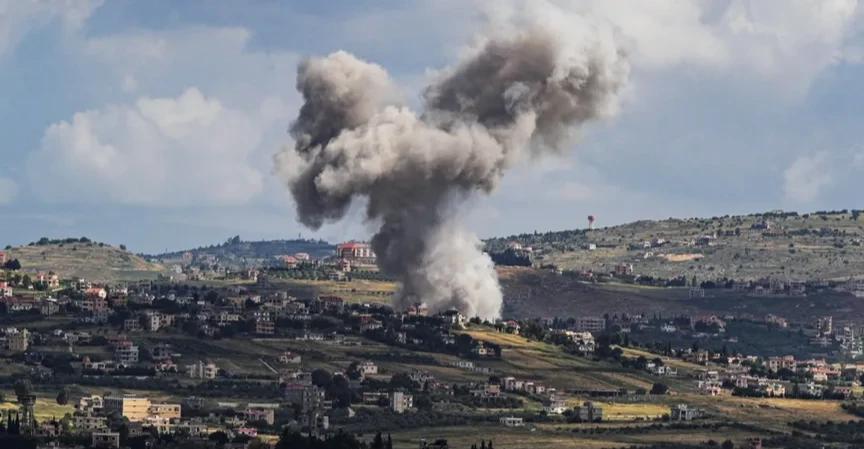
Israeli Army Strikes Marked Press Car In Jezzine, Kills Three Journalists; Lebanon Disputes Operative Claim
19 sources compared
UN COI Says Sweida Violence May Be War Crimes, Demands Damascus Identify Leaders
15 sources compared

Israel Acknowledges Killing Al-Manar Journalist Ali Shoeib, Labels Him Hezbollah Operative Without Evidence
11 sources compared