Lebanon · 20 April, 2026 · 6 min read
Hezbollah Kills French UNIFIL Soldier in Ghandouriyeh Attack, UNIFIL and France Say
A French UNIFIL peacekeeper was killed and three others wounded. Macron blamed Hezbollah for the attack.
Attribution of responsibility framing.
12 of 13 outlets skipped it: the Times of Israel reported that the UN mission may be halted at the end of 2026..
New York Post was read line by line by the Watchdog: 4.9. See the score →
26outlets compared
Same story, two versions
tap a side to read it in full
Al Jazeera
“UNIFIL noted that initial assessments indicated they came from non-state actors, allegedly Hezbollah, and that an investigation had been launched into what it called “a deliberate attack.””Read the original ↗
BBC
“"Everything suggests that responsibility for this attack lies with Hezbollah," Macron said.”Read the original ↗
Shows a contrast between Al Jazeera framing the attribution as an initial assessment labeling it a deliberate attack with alleged links to Hezbollah, versus the BBC presenting Macron’s assertion that Hezbollah is responsible.
French peacekeeper killed
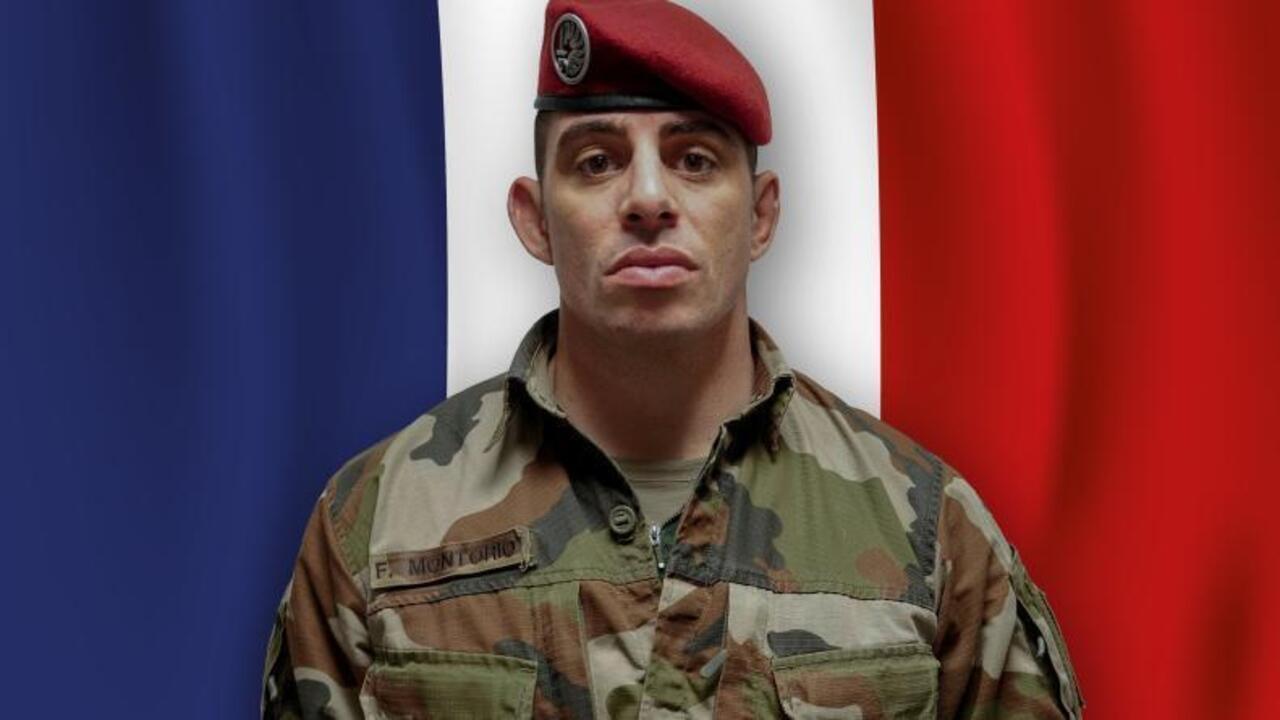
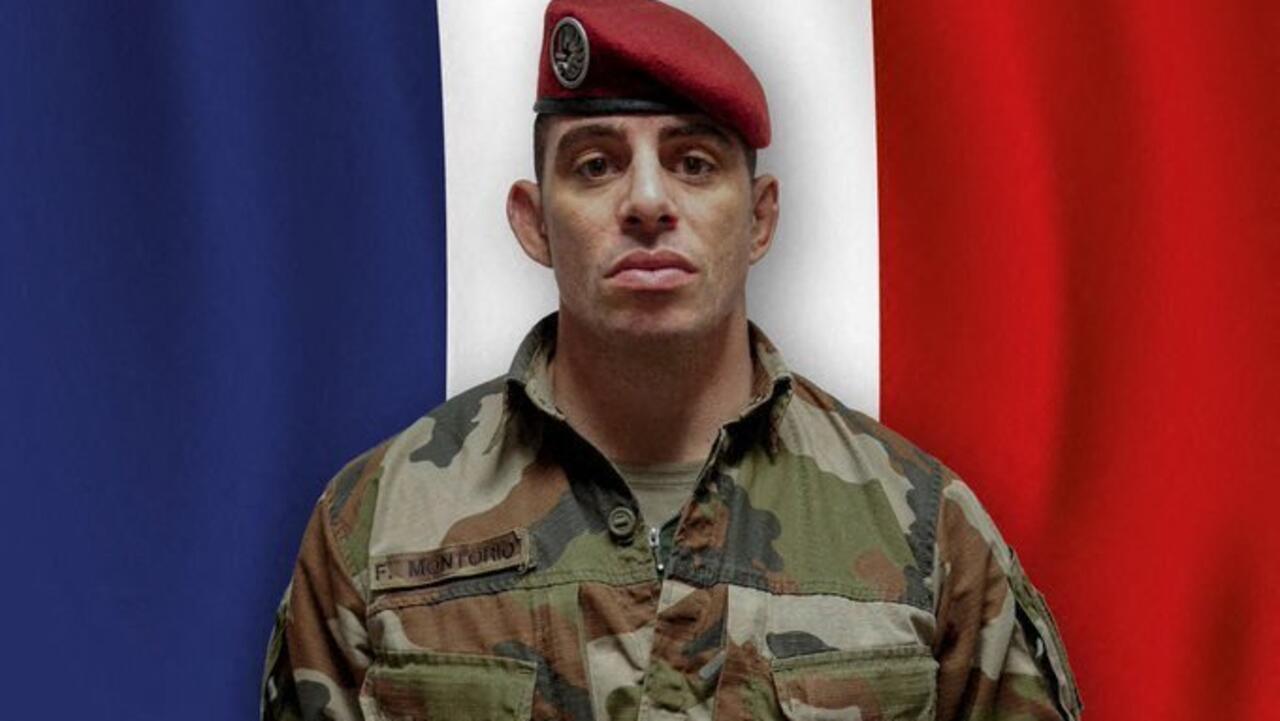
A French soldier serving with the United Nations Interim Force in Lebanon (UNIFIL) was killed and three others were wounded after a UN patrol came under fire in southern Lebanon, in what UNIFIL and French officials said was likely carried out by Hezbollah.
“A French soldier serving with the United Nations peacekeeping mission in Lebanon has been killed, and three others were wounded”
Al Jazeera reported the attack took place in the village of Ghandouriyeh in southern Lebanon, with UNIFIL saying three other members of the peacekeeping mission were wounded and two of them seriously.A

The BBC said the French peacekeeper was killed and three others were injured, two of them seriously, when their patrol came under small-arms fire, and UNIFIL confirmed the death and injuries.B
France 24 likewise described the attack near the southern Lebanese village of Ghandouriyeh as leaving one French peacekeeper dead and three wounded, two of them seriously, and said both Macron and UNIFIL blamed Hezbollah.
Multiple outlets tied the incident to a UNIFIL patrol clearing explosive ordnance along a road to reconnect isolated positions, with UNIFIL saying the patrol was clearing explosive ordnance along a road in the village of Ghanduriyah.
The BBC added that UNIFIL confirmed the French peacekeeper’s body would be repatriated to Paris, while two severely injured peacekeepers were receiving treatment in Beirut and a third was being treated for “moderate injuries” in southern Lebanon.B
French Armed Forces Minister Catherine Vautrin told reporters the patrol was ambushed while on a mission to open a route to a UNIFIL post that had been isolated by fighting in the area, and she said the soldier was killed by direct small-arms fire.
Ceasefire fragility and escalation
The fatal attack unfolded amid heightened tensions in southern Lebanon and shortly after a ceasefire between Israel and Lebanon took effect.
Al Jazeera said the deadly incidents came “just days after an Israel-Lebanon 10-day ceasefire took effect” and “days before a truce in the United States-Israel war on Iran was set to expire,” while the BBC said a 10-day ceasefire between Israel and Lebanon came into effect on 16 April.
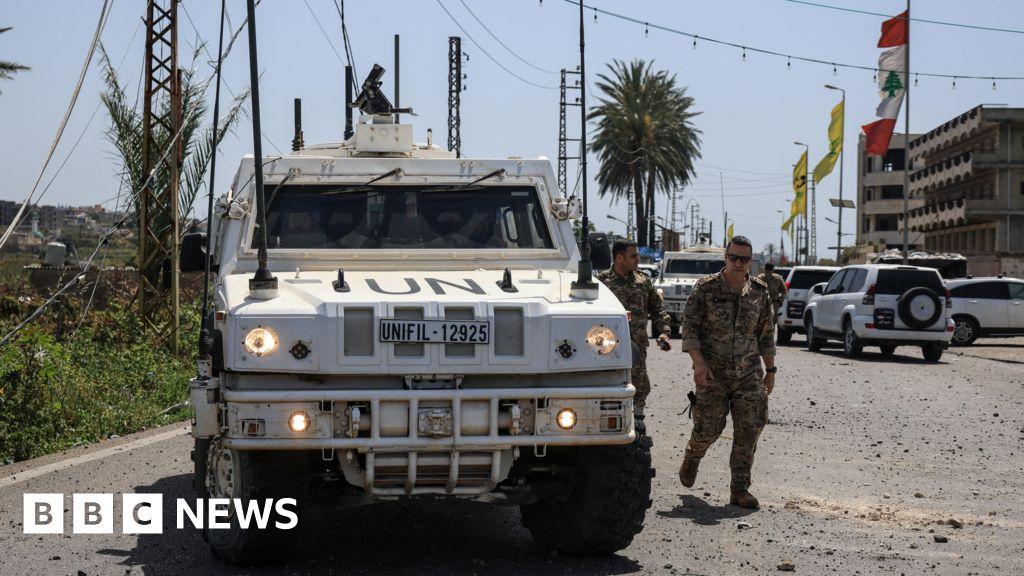
France 24 described the attack as occurring after a 10-day ceasefire went into effect at midnight Thursday between Israel and Lebanon’s militant Hezbollah group.
The BBC linked the heightened risk to renewed fighting between Hezbollah and Israel that erupted on 2 March, and it said the incident came as peacekeepers faced growing risks since that renewed fighting.B
Al Jazeera provided the broader escalation timeline, saying Lebanon was drawn into the war in early March after Hezbollah fired rockets towards Israel in response to the US-Israeli killing of Iranian Supreme Leader Ali Khamenei on February 28.
It added that Israel responded with a bombing campaign and a ground invasion that killed more than 2,000 people and forced more than 1.2 million others from their homes.
The BBC also described the context of the Israel-Hezbollah war, saying it began on 2 March and that the 10-day ceasefire between Israel and Lebanon came into effect on 16 April.B
Macron, UNIFIL, and Hezbollah deny
French President Emmanuel Macron condemned the attack and said evidence so far pointed to Hezbollah, while Hezbollah rejected the allegations and called for caution.
“condemned the “unacceptable attack””
Al Jazeera reported that in calls with Lebanese President Joseph Aoun and Prime Minister Nawaf Salam, Macron condemned the “unacceptable attack,” and said his office’s statement that the evidence so far pointed to the Lebanese armed group and urged the Lebanese government to act against those responsible.A
The BBC quoted Macron saying, “Everything suggests that responsibility for this attack lies with Hezbollah,” and it said he urged Lebanese authorities to “immediately arrest the perpetrators and take their responsibilities alongside Unifil.”B
France 24 similarly said Macron wrote on social media, “Everything suggests that responsibility for this attack lies with Hezbollah,” and added, “France demands that the Lebanese authorities immediately arrest the perpetrators and assume their responsibilities alongside UNIFIL.”
UNIFIL and UN officials also weighed in, with Al Jazeera saying UNIFIL noted initial assessments indicated they came from non-state actors, allegedly Hezbollah, and that an investigation had been launched into what it called “a deliberate attack.”A
The BBC included a UN spokesperson’s condemnation, quoting that the spokesperson urged all parties to “respect the cessation of hostilities and to cease fire.”
Hezbollah denied involvement in multiple outlets, with Al Jazeera reporting Hezbollah rejected the allegations and said, “We deny any connection to us with the incident that occurred with UNIFIL forces in the Ghandouriyeh area in Bint Jbeil,” while the BBC said Hezbollah denied “any connection” to the incident.
Different outlets, different emphases
While the core facts of a French UNIFIL patrol being attacked were consistent, outlets differed in how they framed responsibility, the operational details, and the surrounding political context.
Al Jazeera said UNIFIL and French officials said the attack was likely carried out by Hezbollah, and it described UNIFIL’s initial assessments as indicating the fire came from “non-state actors, allegedly Hezbollah,” while also describing the attack as “a deliberate attack.”A
The BBC likewise said officials described it as a deliberate attack and reported that UNIFIL’s initial assessment suggested the team came under fire from “non-state actors”, which they presumed to be Hezbollah, but it also emphasized the procedural steps: repatriation to Paris and treatment in Beirut and southern Lebanon.B
France 24 foregrounded Macron’s social media language, stating “Everything suggests that responsibility for this attack lies with Hezbollah,” and it added details about French judicial officials, saying “three judicial officials said the country's Military Tribunal opened an investigation.”
The Times of Israel and New York Post both used strong attribution language, with the Times of Israel quoting Macron’s “Everything points to Hezbollah being responsible for this attack,” and the New York Post describing it as a “suspected Hezbollah ambush.”
Le Monde’s account, by contrast, included a French source claiming “French soldiers saw those who were shooting at them. They were members of Hezbollah,” and it added an operational narrative about reconnaissance for a logistical operation and an IED, with the source saying, “They spotted an IED [improvised explosive device].”
Even within the same event, the outlets also varied in how they described the ceasefire timing, with Al Jazeera referencing “just days after” a 10-day ceasefire took effect and France 24 specifying it went into effect at midnight Thursday.A
Investigations and wider risks
The attack triggered calls for arrests and investigations, and it underscored the risks UNIFIL says peacekeepers face in the area.
“immediately arrest the perpetrators and take their responsibilities alongside Unifil”
The BBC reported that Macron demanded Lebanese authorities “immediately arrest the perpetrators and take their responsibilities alongside Unifil,” and it said Lebanon’s President Joseph Aoun condemned the attack and told Macron during a phone call that those responsible would be brought to justice, while Prime Minister Nawaf Salam ordered an investigation.B

Al Jazeera said Macron urged the Lebanese government to act against those responsible and that President Aoun offered condolences and ordered an immediate probe, while Prime Minister Salam condemned the attack.A
UNIFIL also said it had launched an investigation, with Al Jazeera describing it as launched into what it called “a deliberate attack,” and the Times of Israel quoting UNIFIL’s statement that it had launched an investigation “to determine the circumstances surrounding this tragic incident.”A
UNIFIL warned about legal obligations, with the BBC saying UNIFIL warned that under international law “all actors” were obliged to ensure the “safety and security” of UN personnel and that “deliberate attacks” on peacekeepers were “grave violations” of international humanitarian law and could amount to war crimes.
The BBC also placed the incident within a broader pattern of attacks on peacekeepers, noting that “Last month, two UN peacekeepers were killed in southern Lebanon” and that UNIFIL said they were killed when an explosion of unknown origin destroyed their vehicle.B
Looking ahead, the BBC described UNIFIL’s mandate and expansion after the 2006 war, and it said more than 330 peacekeepers have been killed since the mission was established.B