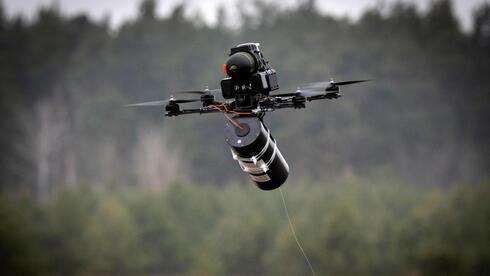
Hezbollah Launches Fiber-Optic Drones Against Northern Israel, Avoiding Electronic Detection
Key Takeaways
- Hezbollah deployed fiber-optic FPV drones targeting northern Israel.
- Drones use fiber-optic guidance, evade electronic detection, and resist jamming.
- Escalation continues in the Israel-Hezbollah front as drone threat grows.
Fiber-optic drones hit Israel
Hezbollah has adopted fiber-optic drones as a new weapon against northern Israel in the latest round of fighting, launching “small drones controlled with fiber-optic cables the width of dental floss” that avoid electronic detection, according to an AP report datelined TEL AVIV, Israel.
“Published Apr 30, 2026 4:04 pm TEL AVIV, Israel (AP) — Hezbollah has launched a new weapon against northern Israel in the latest round of fighting: small drones controlled with fiber-optic cables the width of dental floss that avoid electronic detection”
The AP story says the drones are “used widely in the war in Ukraine” and that “Drones killed an Israeli soldier in southern Lebanon and injured at least a dozen others in northern Israel on Thursday, two seriously.”
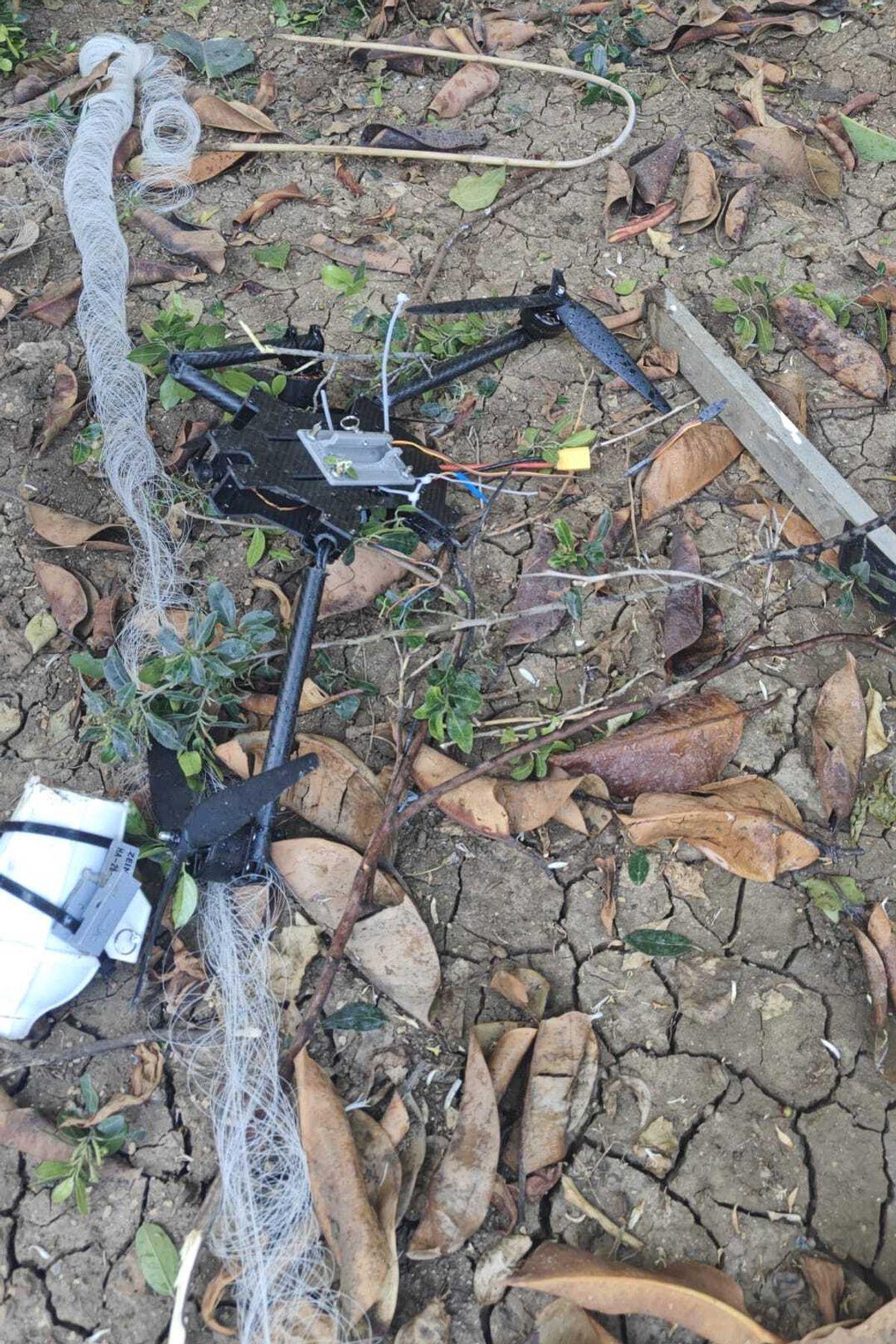
It adds that “A soldier and defense contractor were killed in Lebanon earlier this week,” placing the attacks in a broader escalation.
The AP report describes how the drones work: “Fiber-optic drones are not piloted via GPS signals or radio control,” and instead use “a thin cable spooling out behind them that connects the operator’s console directly to the drone.”
It also quotes drone expert Robert Tollast, a researcher at the Royal United Services Institute in London, saying, “if you know what you’re doing, it’s absolutely deadly,” and explaining that the drone can fly low and creep up on a target.
The AP account further states that Israel believes the drones are “made locally” and that they require “little more than an off-the-shelf drone, a small amount of explosives, and transparent wire that is readily available on the consumer market.”
Why jamming fails
Multiple reports tie Hezbollah’s fiber-optic drone shift to a perceived weakness in Israel’s ability to counter drones that can be jammed, and they describe why fiber-optic guidance changes the equation.
The AP report says “Many drones are susceptible to electronic jamming by air defenses,” and that “Jamming can cause a drone to crash or return to its point of origin,” but it contrasts that with fiber-optic systems that “are not piloted via GPS signals or radio control.”
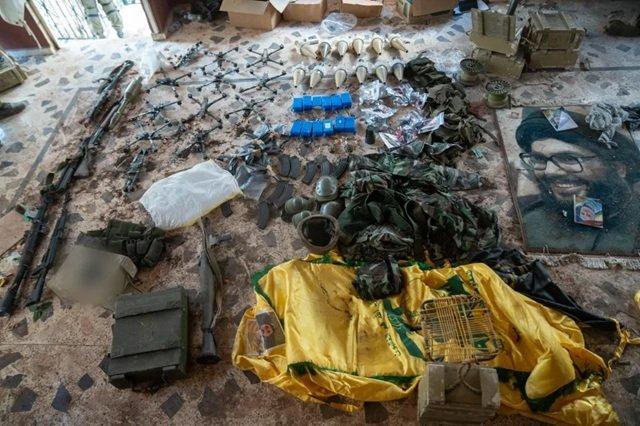
It explains that the operator-to-drone link is physical rather than electronic: “They have a thin cable spooling out behind them that connects the operator’s console directly to the drone, making it impossible to electronically jam.”
The AP story also notes limitations, stating, “The drones are not infallible because the wind — or other drones — can cause the cables to tangle,” even as it emphasizes the threat’s lethality.
In a separate account, ynetnews describes the same resistance to electronic warfare, saying the drones are operated via “a thin fiber-optic cable,” which allows operators “to transmit commands and real-time video without using radio waves, making them resistant to electronic warfare jamming.”
The Sri Lanka Guardian frames the battlefield change as “the rapid rise of fiber-optic-guided first-person view drones that are proving extraordinarily difficult to stop,” and it links that difficulty to the physical cable connection that “render[s] electronic jamming largely ineffective.”
Defense improvisation and limits
As the fiber-optic drone threat intensifies, Israeli forces are described as turning to improvised protective measures while senior officials argue that defenses alone are not enough.
“The Express Global Desk at The Indian Express delivers authoritative, verified, and context-driven coverage of key international developments shaping global politics, policy, and migration trends”
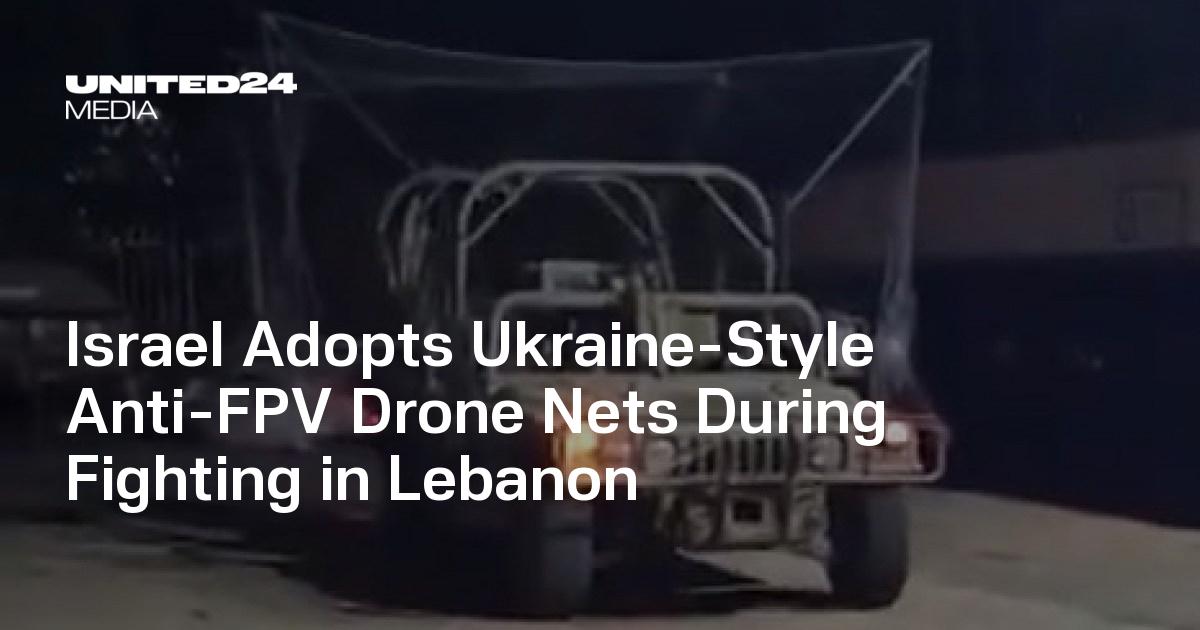
The Sri Lanka Guardian says “Israeli forces are now turning to an unlikely form of protection—improvised netting draped over combat vehicles,” and it describes “large mesh nets suspended above them, resembling oversized cages or even soccer goals.”
It adds that the concept is to “intercept incoming drones before they strike their targets, either by entangling them or forcing them to detonate at a safer distance,” while warning that “the effectiveness of such measures remains highly questionable.”
The same report says the drone threat is reshaping battlefield realities as the conflict “grinds into its second month,” and it ties the shift to “growing criticism within Israel over the military’s inability to adequately counter the evolving drone threat.”
In the AP report, Israel’s response is described as both technological and tactical, with an Israeli military official saying the fiber-optic drones are “the biggest threat to troops inside Lebanon” but that “the Israeli military is working on technological solutions.”
The AP story says Israel is taking ground measures “such as adding nets and cages to military vehicles,” and it quotes Ran Kochav, a former head of the Israeli military’s air defense command, saying, “They fly very low and very fast, and they are very small, it’s very difficult to detect them, and even after they’re detected, they are really hard to track.”
Shift to offensive rules
Beyond improvised protection, ynetnews reports that senior IDF officers are calling for an offensive shift against FPV drones in southern Lebanon, arguing that restrictions imposed on Israel must be lifted.
The ynetnews account says officers want Israel to “strike Hezbollah targets with greater force north of the Litani River — a key geographic line in southern Lebanon,” and it adds that they want Israel to “target the supply chain for explosive-laden first-person-view (FPV) drones.”
It frames the goal as deterrence through cost, quoting the officers’ aim to create a “price tag” that would make Hezbollah “think twice before launching attacks.”
The report also anchors the call in recent fatalities, stating that “In the past week, Sgt. Idan Fooks and Amer Hujeirat, a resident of the Arab city of Shfar'am in northern Israel, were killed by such drones.”
It describes the operational logic behind the offensive push, saying assessments indicate “the current response does not provide a full solution,” especially because of “the difficulty of detecting and intercepting the drones in real time.”
The ynetnews report quotes the officers directly: “The current situation plays into Hezbollah’s hands — the rules must be changed,” and it says they called for removing operational constraints and shifting to a more offensive approach.
Incidents and claimed drone downings
The sources also describe a sequence of drone-related incidents and claims that illustrate how quickly the northern border situation is evolving, including air defense engagements and Hezbollah’s assertions of success.
“Published Apr 30, 2026 4:04 pm TEL AVIV, Israel (AP) — Hezbollah has launched a new weapon against northern Israel in the latest round of fighting: small drones controlled with fiber-optic cables the width of dental floss that avoid electronic detection”
ynetnews says “Earlier Thursday, Hezbollah shot down an Israeli unmanned aerial vehicle after firing a surface-to-air missile,” and it adds that “The IDF said the incident is under investigation and there is no concern of sensitive information being compromised.”
It continues that “Shortly afterward, the terrorist organization claimed responsibility for downing a Zik drone — also known as the Hermes 450, a medium-sized Israeli UAV — in the Nabatieh area.”
The report places the claimed downing “on a morning when Hezbollah launched drones toward southern Lebanon and the northern border, triggering sirens in multiple communities and the firing of interceptors, including over school areas.”
It also describes a reported direct hit: “In one instance, a direct hit on a vehicle was reported, with smoke seen rising from the scene.”
After that incident, ynetnews says “Following the incident, the IDF said it had begun striking Hezbollah infrastructure in southern Lebanon.”
More on Lebanon

Israeli Attacks Kill At Least 28 People In Southern Lebanon Despite U.S.-Mediated Ceasefire
12 sources compared
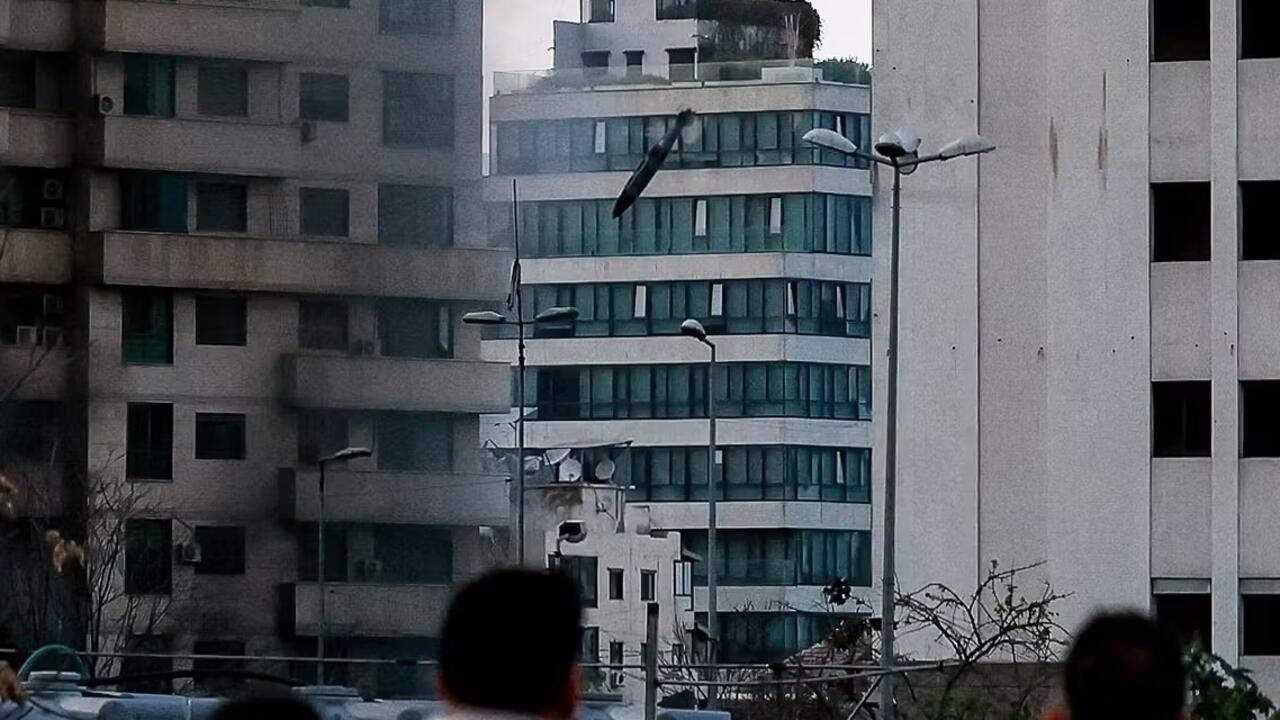
Israeli Strikes Kill 17 in Southern Lebanon as Hezbollah Drone Attack Kills Golani Brigade Soldier
11 sources compared
Hezbollah Fibre-Optic Drones Threaten Israeli Helicopter and Kill Idan Fooks in Taybeh
11 sources compared

Trump Tells Netanyahu to Limit Lebanon Strikes to “Surgical” Operations
16 sources compared