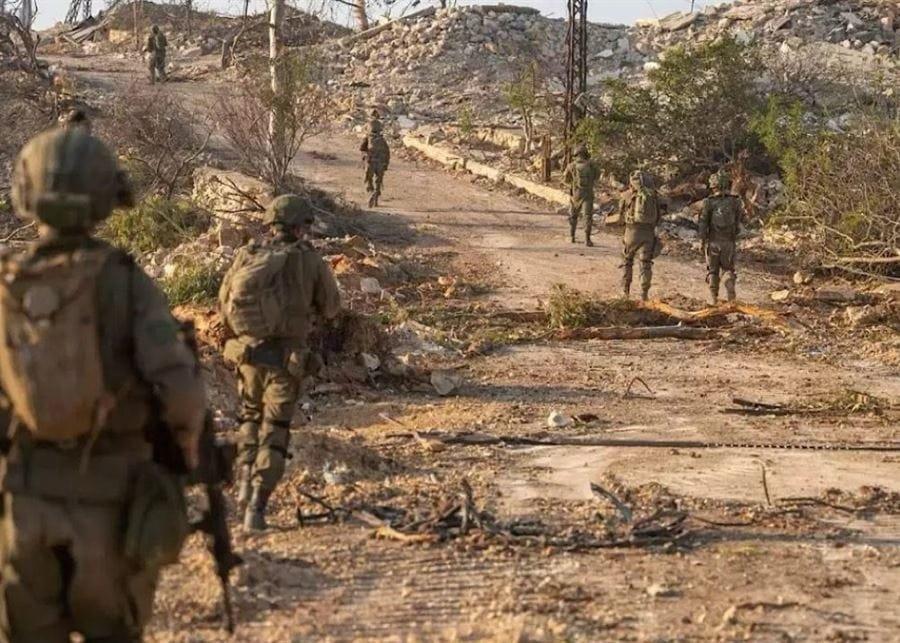
Hezbollah Leader Naim Qassem Rejects US-Brokered Israel-Lebanon Security Agreement, Vows Armed Resistance
Key Takeaways
- Hezbollah rejects the US-brokered framework as surrender and void.
- Qassem says the framework undermines Lebanon's sovereignty by linking Israeli withdrawal to Hezbollah disarmament.
- Washington-brokered framework aims for gradual end with phased withdrawal.
Deal signed, resistance vowed
Hezbollah leader Naim Qassem rejected a US-brokered Israel-Lebanon security agreement signed on Friday, calling it a "surrender to Israel" and declaring the framework "null and void".
Qassem said the deal undermines Lebanon's sovereignty by linking an Israeli withdrawal from southern Lebanon to Hezbollah's disarmament, while Israel defended the agreement as a mechanism to maintain security along the border.

The framework provides for a phased Israeli withdrawal from parts of southern Lebanon alongside the deployment of the Lebanese army, but it also allows Israeli forces to remain temporarily in an expanded security zone.
Lebanon's state news agency reported that an Israeli drone struck Nabatieh al-Fawqa on Saturday, and the Israeli military confirmed it carried out the strike using a drone because it had no troops in the immediate area.
Hezbollah vowed to continue armed resistance, with Qassem saying, "We did not leave the battlefield in the most difficult circumstances, and we will not leave it," as the agreement faced criticism beyond Hezbollah.
Experimental withdrawals begin
Israeli forces began implementing an experimental withdrawal from two specific zones in Southern Lebanon as the first test of the framework agreement, according to informed sources cited by صو ت الإمارات.
The first zone is located outside the Blue Line and south of the Litani River, while the second is situated outside the original Blue Line but north of the river itself, with the withdrawal aimed at measuring field mechanisms for stability before broader implementation.

The experimental withdrawal proceeds alongside a plan to reorganize security in Southern Lebanon by deploying the Lebanese Army and relevant entities into the evacuated zones, with the process subject to precise field monitoring and ongoing coordination.
Despite the withdrawal, the framework includes a core clause granting the Israeli military the "freedom to conduct operations" within the designated "security strip" if it assesses imminent threats or security breaches.
In parallel, Israeli Prime Minister Benjamin Netanyahu said the agreement delivers a "crushing blow" to Iran and confirmed Israeli forces will remain in parts of southern Lebanon until Hezbollah is fully disarmed, while Lebanon and Israel and the United States signed the trilateral framework agreement in Washington on Friday.
Disputes over lines and numbers
As the framework enters implementation, Israel and Lebanon remain split over the south withdrawal in Washington talks, with Israel refusing full withdrawal from areas within what Israel calls the "Yellow Line," or "Anti-tank Line," established in April.
“Israel, Lebanon split over south withdrawal in Washington talks: Reports Talks stall as Israel refuses full withdrawal from south, Lebanon demands complete pullout Said Amori 26 June 2026•Update: 26 June 2026 JERUSALEM The US State Department announced Friday that the fifth round of Lebanon-Israel negotiations in Washington had been extended by one day after media reports said that talks failed to bridge a deepening rift over the withdrawal of Israeli forces from southern Lebanon”
KAN, cited by Anadolu Ajansı, said the dispute centers on what Israel calls the "Yellow Line" extending roughly 8 kilometers (5 miles) inside Lebanese territory from the Israeli border, and Israel insists on maintaining its presence at the Beaufort Castle hilltop in southern Lebanon.
Lebanon demands a complete Israeli withdrawal from all villages and towns within the line, including Majdal Zoun, Zibqin, Beit Lif, Tayri and Kounine, while Washington proposed a "pilot plan" under which the Lebanese army would gradually take control of vacated areas and dismantle Hezbollah military infrastructure.
Israeli Prime Minister Benjamin Netanyahu said during a conference in Tel Aviv that Israel "will remain there," and Defense Minister Israel Katz said the army will not withdraw from "the security zone" in southern Lebanon even if the United States demands withdrawal.
Lebanon's Health Ministry said the death toll from the Israeli offensive since March 2 had risen to 4,230 with 12,179 others injured, after recording 38 deaths and eight injuries over the previous 24 hours, as Israel continued intensive strikes before reducing their pace since Sunday.
More on Lebanon
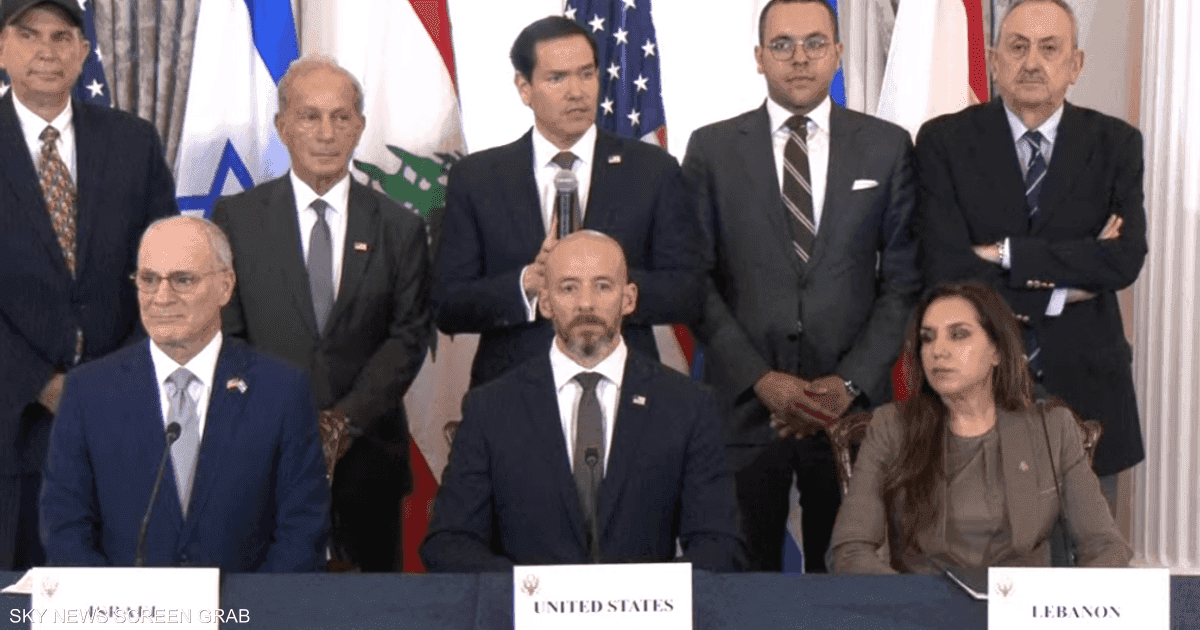
Hezbollah Rejects US-Mediated Israel-Lebanon Framework, Warns of Civil War in Beirut
11 sources compared

Israel Drone Strike Hits Nabatieh al-Fawqa After US-Brokered Israel-Lebanon Framework Deal
16 sources compared
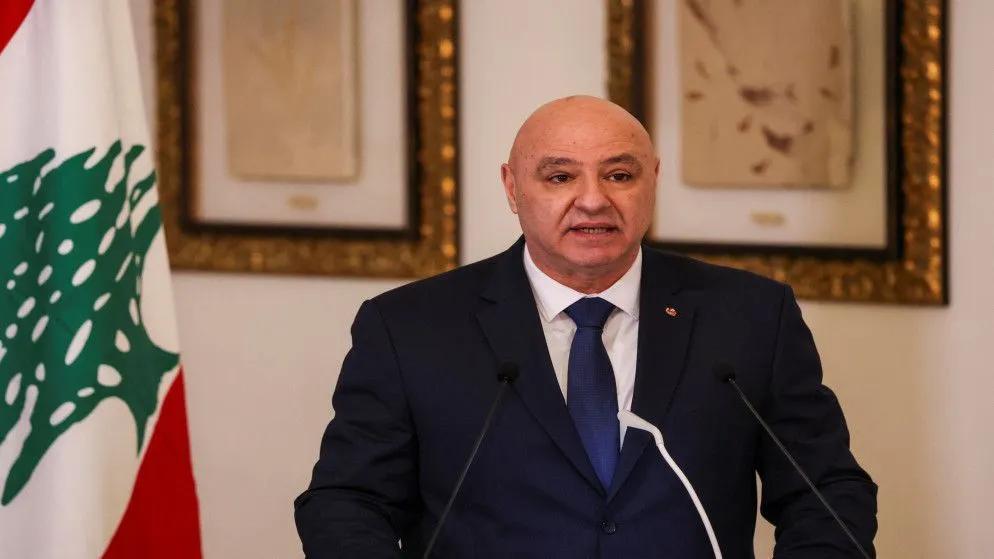
Joseph Aoun Welcomes France and Italy Plan for Post-UNIFIL Coalition in Lebanon
16 sources compared
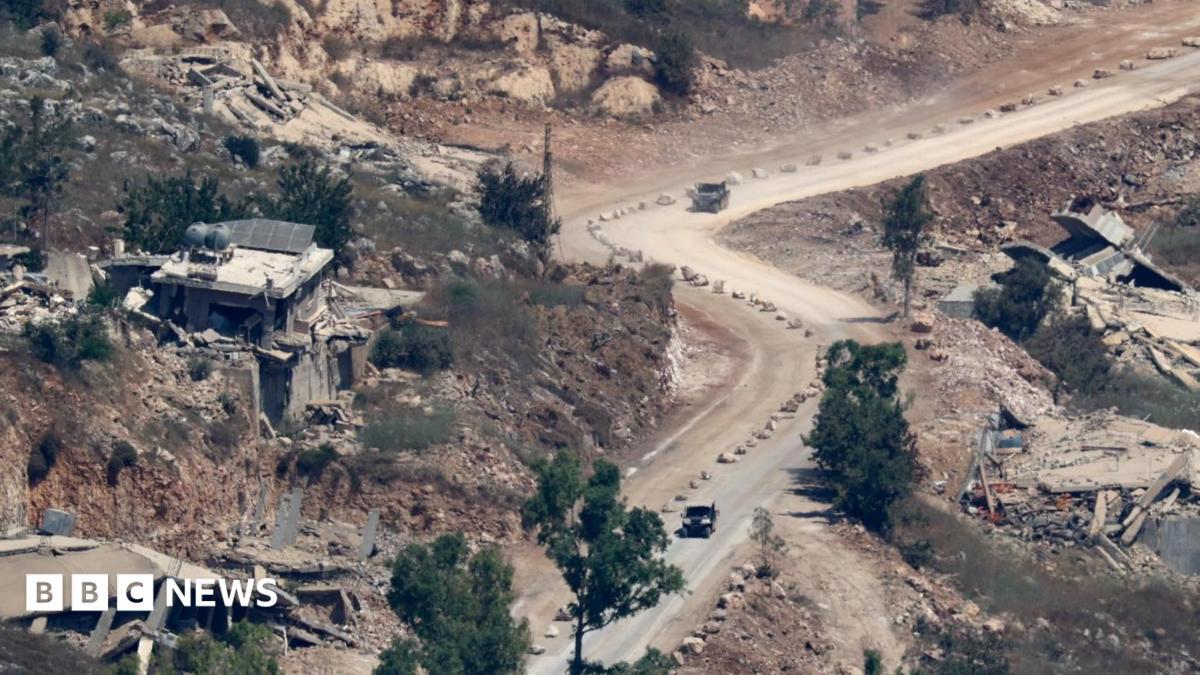
Hezbollah Rejects Israel-Lebanon Framework After Israeli Strikes Kill One in Southern Lebanon
128 sources compared