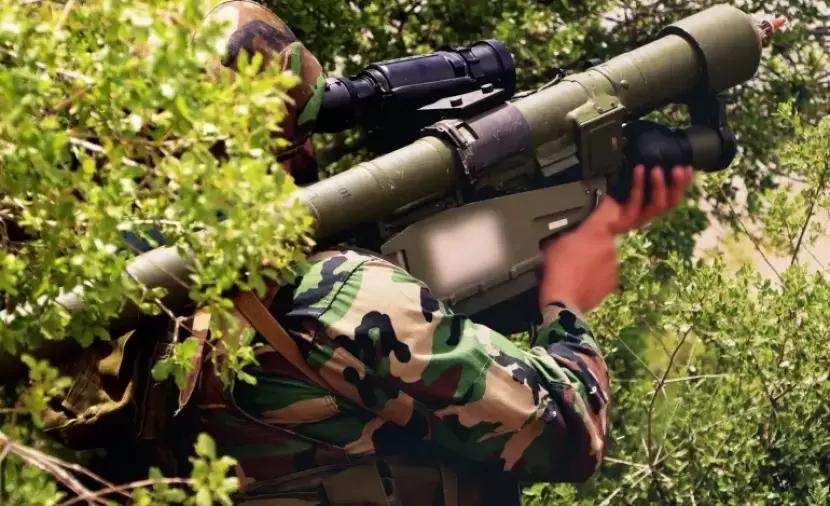
Hezbollah Prepares 1980s Martyrdom Squads To Attack Israeli Forces In Southern Lebanon
Key Takeaways
- Hezbollah plans to deploy 1980s-era martyrdom squads to prevent Israeli stabilization.
- Large groups of martyrdom fighters are spread across the occupied region per pre-arranged plans.
- Martyrdom squads target Israeli forces in ongoing confrontation.
Hezbollah signals 1980s tactics
Hezbollah is preparing to introduce tactics described as old in origin but new in form in southern Lebanon, while the ceasefire between Lebanon and Israel has been extended.
“Amid the ongoing Israeli military escalation in southern Lebanon, despite the extension of the ceasefire between Lebanon and Israel, Hezbollah is preparing to introduce into the confrontation tactics that are old in origin but new in form, including the activation of 'martyrdom operations groups'”
In a Monday interview, a Hezbollah military official told Al-Jazeera Net that the party is preparing to adopt combat tactics dating back to the 1980s, including the activation of "martyrdom operations groups".

The official said the party’s pre-prepared plans include the deployment of "large groups of martyrs" in the occupied region.
Al-Jazeera Net reports that the military official explained the martyrs’ mission is to "merge with the enemy’s officers and soldiers in the occupied Lebanese villages".
The same Al-Jazeera Net report frames the announcement as a response to ongoing Israeli military escalation in southern Lebanon despite the ceasefire extension.
Other outlets repeat the same core message in different wording, with Elnashra quoting a Hezbollah commander saying "we will use tactics from the eighties and activate martyrdom squads to prevent the enemy from stabilizing".
Elnashra adds that the commander stated "large groups of martyrdom fighters are spread across the occupied region according to pre-arranged plans" and that the mission is to "engage with the enemy's officers and soldiers in the occupied Lebanese villages."
Ceasefire timeline and escalation
The Hezbollah statements arrive in a context that multiple sources describe as a fragile ceasefire repeatedly disrupted by Israeli actions, with the ceasefire extended beyond its initial start.
Al-Jazeera Net says the ceasefire between Lebanon and Israel has been extended even as it describes ongoing Israeli military escalation in southern Lebanon.
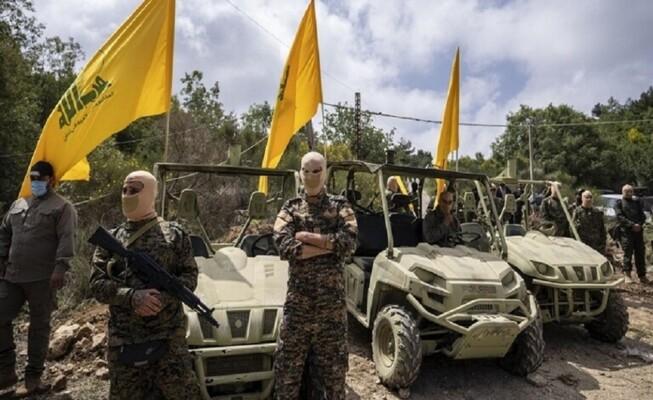
Quds News Network states that the ceasefire reached by American mediation began on April 17 for 10 days and was extended to May 17, while also saying Israel breaches it daily with bombardments that cause casualties and injuries, in addition to the demolition of homes in southern Lebanon.
Quds News Network also says Hezbollah’s response includes claims of attacks inside Lebanon, noting that "Yesterday, Sunday, Hezbollah said that it attacked Israeli forces inside Lebanon" and that rescue teams came to evacuate them.
In parallel, Quds News Network reports that the Israeli army announced the killing of a soldier and the injury of six people, including an officer and three soldiers, during clashes in southern Lebanon.
It further reports that the Israeli army said it intercepted three drones before they crossed into Israel, after sirens sounded warning of an air attack on the north.
The same Quds News Network account adds that the Israeli army issued a warning to residents to evacuate seven towns north of the Litani River, i.e., beyond the buffer zone it occupies in southern Lebanon.
Al-Jazeera Net’s framing also ties the rhetoric to Israel’s attempt to establish a "Yellow Line" after the ceasefire on 17 April, describing it as a similar model to the earlier "Buffer Zone".
Why Hezbollah says it’s returning
Al-Jazeera Net connects Hezbollah’s vow to return to 1980s tactics to a stated aim of refreshing Israel’s memory of what happened in the 1980s and 1990s when Israel’s army was in Lebanon.
“Download the Local mobile app”
The report quotes Lebanese military expert and strategist Brig. Gen. Hassan Jouni, who says Hezbollah’s announcement to revert to these tactics aims to refresh Israeli memory of what happened in the 1980s and 1990s when their army was in Lebanon.
Jouni explains that operations in those years produced daily or weekly casualties among the Israeli army, and he characterizes Hezbollah’s announcement as "psychological, primarily".
Al-Jazeera Net says Jouni links the message to Israel’s "Yellow Line"—described as what in the 1980s was known as the 'Buffer Zone'—and says the Buffer Zone was a border strip Israel established 10–20 kilometers into southern Lebanon under the pretext of protecting its northern border.
The report adds that Israel was compelled to withdraw unilaterally in 2000, ending an 18-year occupation under pressure from the Lebanese resistance.
Al-Jazeera Net also says Jouni believes the "Yellow Line" could extend to about 10 kilometers into Lebanese territory after the ceasefire on 17 April.
In the same Al-Jazeera Net report, Brig. Gen. Mounir Shihada, described as the former UNIFIL liaison between the force and the Lebanese government, says the tactics appeared since Hezbollah’s founding during the Israeli invasion of Lebanon in 1982 and that they were the backbone of the Lebanese resistance until the Israeli withdrawal in 2000.
Shihada also says that after the Israeli withdrawal—and especially after the 2006 war—the party moved toward precise missiles, anti-tank systems, drones, and a more organized military structure, shifting from a 'primitive resistance war' to a 'semi-state-like force'.
Hezbollah’s stated mission and methods
Beyond the political rationale, Al-Jazeera Net describes what it says are the distinctive features of the Lebanese resistance’s 1980s tactics, including the weapon of 'martyrdom fighters' alongside ambushes and exploiting geography.
Brig. Gen. Hassan Jouni is quoted explaining that these fighting tactics "fundamentally rely on targeting military personnel" through operations that rely on infiltration and entering within the enemy and his army, setting traps and ambushes, targeting its elements, and sometimes raiding centers and sites.
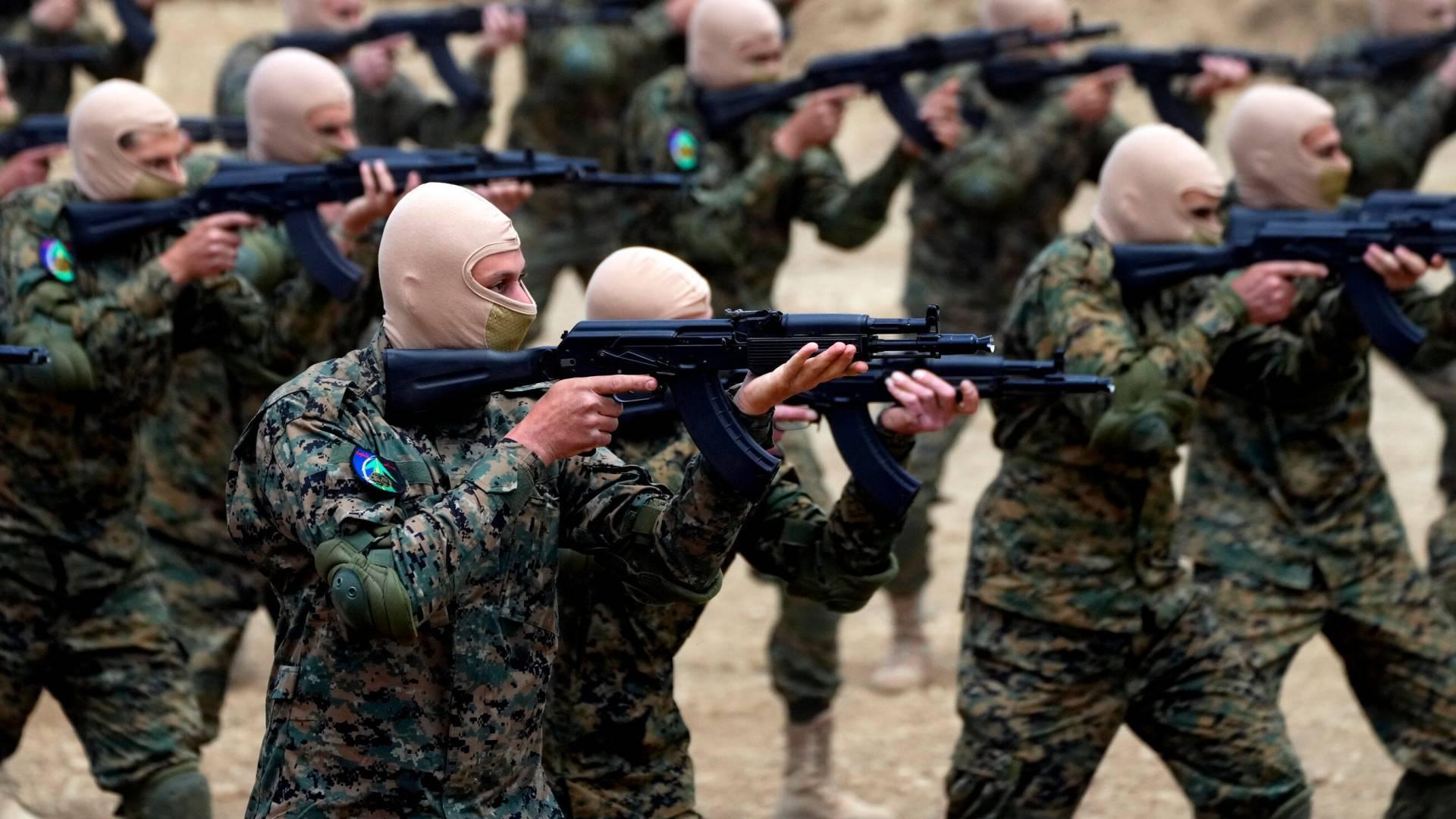
Al-Jazeera Net adds that Jouni says there were "the martyrdom operations mentioned as well, which had a bitter impact on the occupier’s army, especially those operations that led to hundreds of its soldiers’ deaths."
The report also says Hezbollah’s history with these tactics began during the Israeli invasion of Lebanon in 1982 and passed through the phase of the Israeli occupation of south Lebanon, according to Brig. Gen. Mounir Shihada.
Shihada is quoted saying these tactics were the backbone of the Lebanese resistance until the Israeli withdrawal in 2000.
Al-Jazeera Net further quotes Hassan Nasrallah at a 2015 commemorative event for Hezbollah’s martyrs, where Nasrallah said that "the jihadist martyr spirit is our strongest weapon against the enemy and the massive American support for Israel’s arsenal".
The report also quotes Nasrallah recalling that day the first martyrdom operation in the history of the resistance in 1982 carried out by Ahmed Kasir, whom Nasrallah called "the pioneer of the era of martyrs, and the prince of martyrs".
In parallel, Roya News and Lebanon Debate both attribute to Hezbollah commanders the same operational framing that the party will use the eighties tactics and activate martyrdom squads to prevent the enemy from stabilizing.
International and regional framing
Different outlets frame Hezbollah’s announcement and the surrounding fighting in distinct ways, even when repeating the same core claims about "martyrdom" tactics.
“Note: AI technology was used to generate this article’s audio”
Al-Jazeera Net presents the Hezbollah statements as a planned shift back to 1980s-style methods, with Brig. Gen. Hassan Jouni describing the announcement as "psychological, primarily" and with Brig. Gen. Mounir Shihada describing the tactics as the backbone of the resistance until 2000.

Roya News and Lebanon Debate emphasize the commander’s warning that Hezbollah will use eighties-era tactics and activate martyrdom squads to prevent the enemy from stabilizing, quoting "large groups of martyrdom fighters are spread across the occupied region according to pre-arranged plans" in Elnashra.
Oneindia frames the same development as a dangerous shift, saying Hezbollah signals a retu to its most lethal 1980s-era tactics and claiming it has deployed “martyrdom squads” in southe Lebanon prepared for close combat and self-detonating attacks against Israel Defense Forces positions.
The Times of India page included in the sources does not provide a clear, usable body of the Hezbollah claim, but it does carry the headline "Martyrdom Operations": Hezbollah Issues Grim Warning As Israel Occupies Southern Lebanon.
Quds News Network adds a detailed operational-and-timeline narrative, stating that Hezbollah said it attacked Israeli forces inside Lebanon and that Israel issued warnings to evacuate seven towns north of the Litani River.
In the same Quds News Network account, it says the ceasefire began on April 17 for 10 days and was extended to May 17, while also asserting that Israel breaches it daily with bombardments and demolitions.
Across these accounts, the stated objective remains consistent in the sources: to prevent the enemy’s stabilization and to engage with enemy officers and soldiers in occupied Lebanese villages.
More on Lebanon
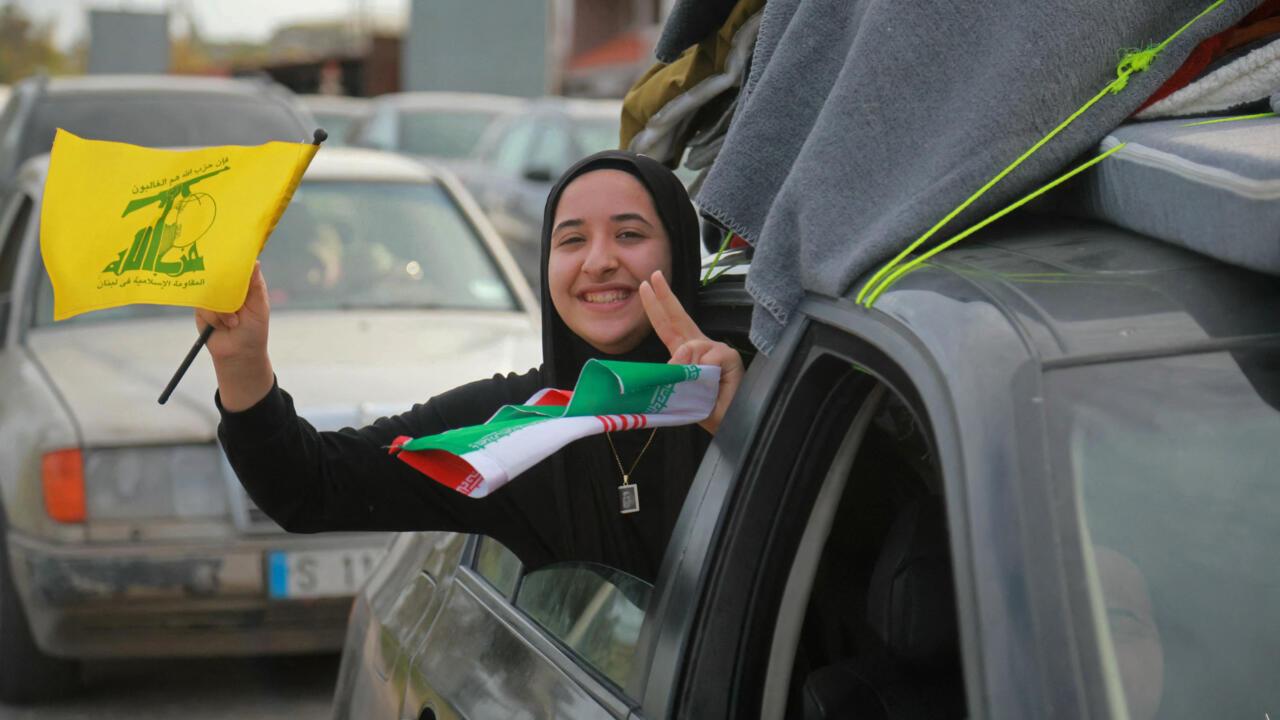
Hezbollah Lawmaker Ibrahim Al-Moussawi Says Joseph Aoun Remarks Would Be a Catastrophe
12 sources compared
Trump Urges Netanyahu To Limit Lebanon Strikes To Surgical Actions As Ceasefire Falters
14 sources compared
Hezbollah Targets Two Merkava Tanks Near Al-Qantara After Missile Attack From Lebanon
20 sources compared

Lebanon Detains Ashraf Dabbour At Beirut’s Rafik Hariri International Airport On Corruption Charges
11 sources compared