Hezbollah Rejects Renewed Israel-Lebanon Ceasefire, Says Terms Are Humiliating for Lebanon
Key Takeaways
- Hezbollah rejected the renewed US-backed ceasefire between Israel and Lebanon.
- Israeli strikes killed four in Lebanon during the ceasefire renewal.
- Hezbollah demanded a full Israeli withdrawal from Lebanese territory.
Ceasefire rejected in Lebanon
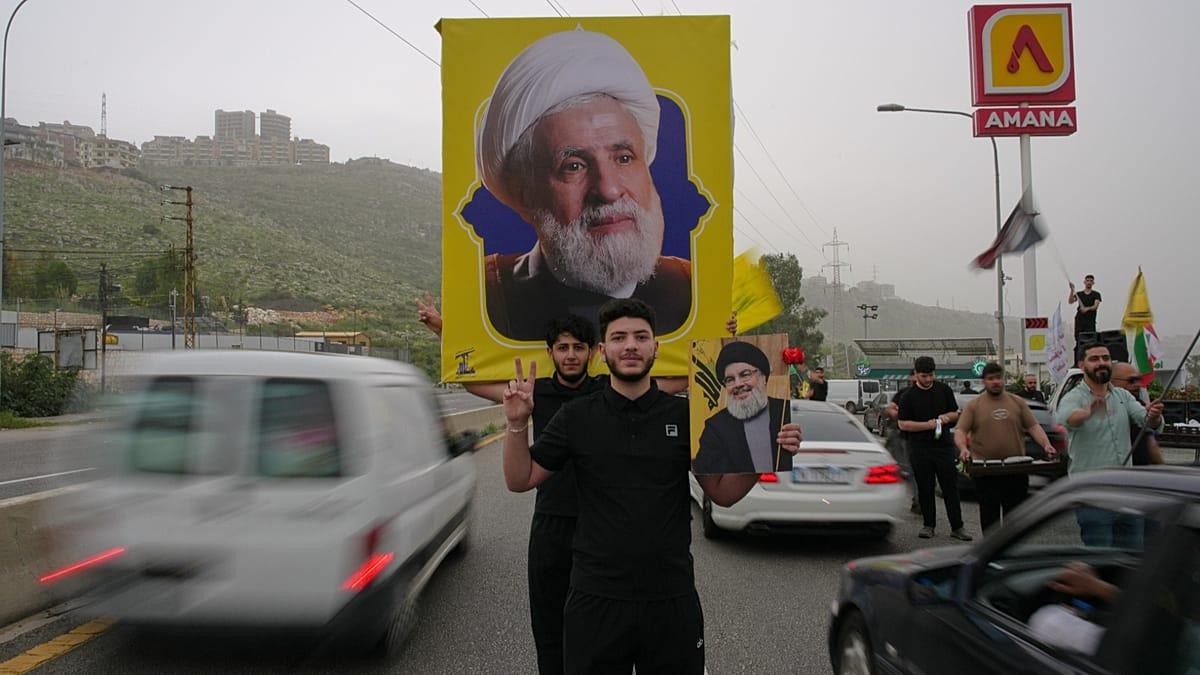
Hezbollah rejected a renewed Israel-Lebanon ceasefire and said the terms were “futile” and “humiliating” for Lebanon, after Israel and Lebanon announced the creation of “pilot” security zones inside Lebanon where Hezbollah operatives would be banned.
In Washington, a joint statement released by the US State Department said the deal was “contingent on a complete cessation” of fire by Hezbollah, but Hezbollah leader Naim Qassem said the “supposed ceasefire” would amount to surrender and would fulfil Israel’s objectives.
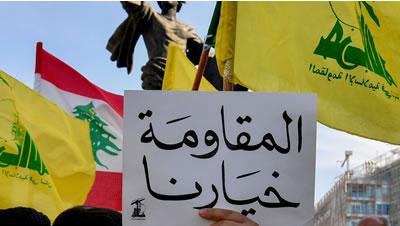
The agreement reached after a fourth round of US-mediated talks in Washington was also contingent on the “evacuation of all [Hezbollah] operatives” from an area between the Israeli border and the Litani river, about 30km (19 miles) to the north, which is currently occupied by Israeli ground forces.
Lebanese President Joseph Aoun said the ceasefire “could be implemented within 24 hours of its final approval” by all concerned parties, while Israeli Defence Minister Israel Katz said the Israeli military would “for the time being, continue its fire and operations on the ground” to “dismantle terrorist infrastructure in the area.”
Streets doubt, strikes continue
In Beirut’s southern suburbs, also known as Dahieh, a storekeeper named Sami said, “You cannot have a ceasefire from one side, it's going to be an all side or no ceasefire,” and added that there had been strikes in Lebanon on Thursday.
Across the road, Hadi said he saw no hope and told the BBC, “My generation, my dad's generation, my grandpa's generation, they didn't see anything of hope from these people,” describing a lack of hope “not necessarily the Israeli people.”

Lebanese media reported multiple Israeli strikes across southern Lebanon on Thursday, with the state-run National News Agency (NNA) saying five people were killed in air strikes on the Bekaa Valley town of Sohmor and another person was killed in Maaroub near the city of Tyre.
Later, Lebanon’s health ministry said at least eight people were killed and 15 others injured on Thursday in strikes targeting Sohmor, Masaken and Arab Al-Jalil, while UNIFIL said one of its peacekeepers had died of wounds after mortar shells struck his position.
Pilot zones and political stakes
The ceasefire framework included pilot zones where the Lebanese Armed Forces would take exclusive control of the territory to the exclusion of all non-state actors, but the BBC reported the deal did not include any maps to indicate where the pilot zones would be located.
The BBC also said the two countries’ representatives will meet again on 22 June to hold further talks “with a view toward reaching a comprehensive agreement,” as the agreement followed a partial ceasefire announced on Monday involving Israel refraining from bombing Beirut in exchange for Hezbollah not attacking Israel.
In a separate reaction, Hezbollah leader Naim Qassem said the group would continue fighting, and the BBC reported that the leader rejected the deal by saying it would fulfil Israel’s objectives, while Israel Katz said Israel would keep operating on the ground.
The fighting and the ceasefire dispute were also tied in the sources to broader regional diplomacy, with the BBC noting the US would have hoped for a boost to its efforts to strike a peace deal with Iran, and with the CBC adding that the ceasefire rejection undermined US President Donald Trump’s efforts to halt fighting there to forge peace with Tehran.
More on Lebanon

Israel Katz Says Israel Will Continue Operations as Hezbollah Rejects U.S.-Brokered Ceasefire
15 sources compared

Hezbollah Rejects US-Mediated Lebanon-Israel Ceasefire, Israel Keeps Strikes in Southern Lebanon
32 sources compared
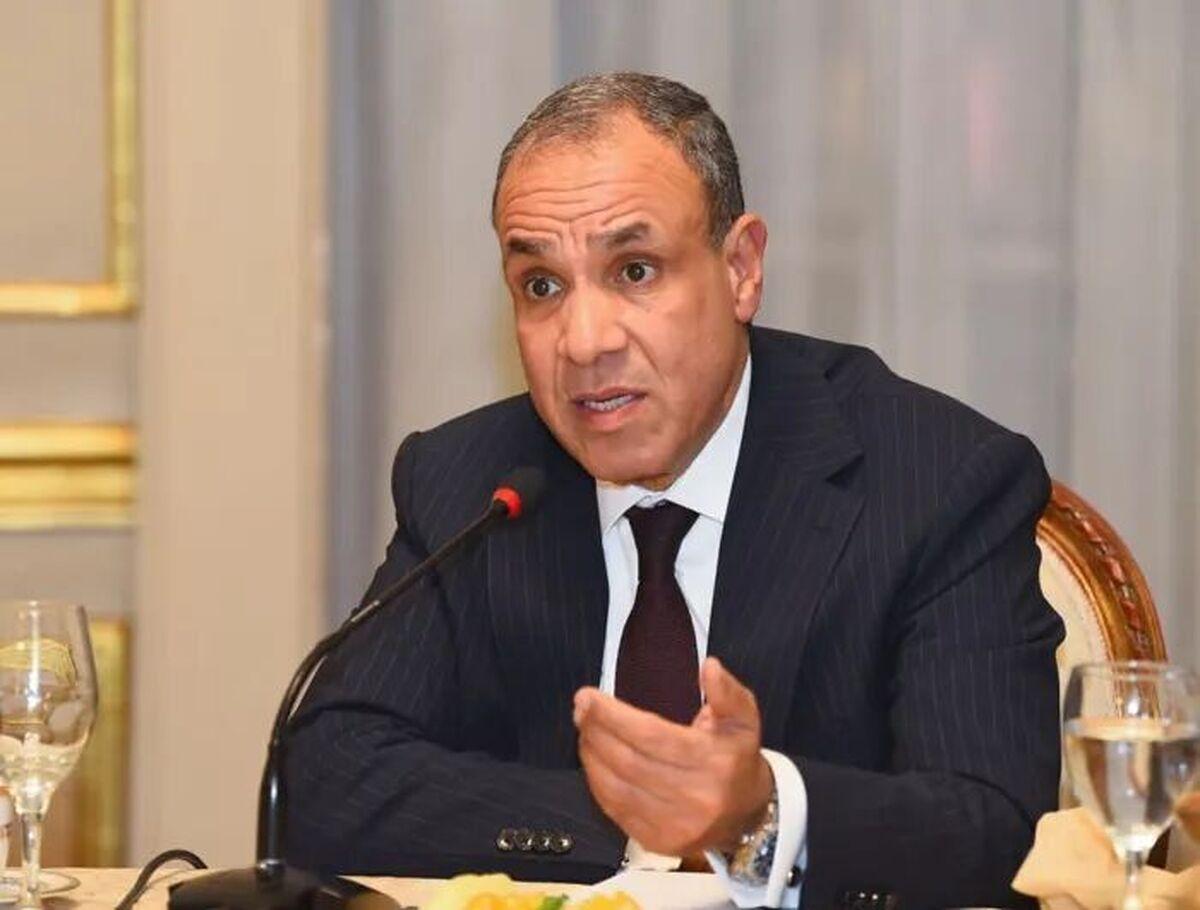
Hezbollah Rejects Israel-Lebanon Ceasefire, Demands Complete Israeli Withdrawal From Lebanon
42 sources compared
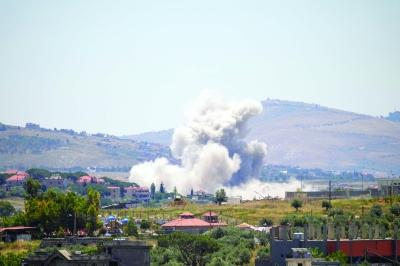
Hezbollah Rejects U.S.-Declared Ceasefire, Demands Israeli Withdrawal as Israel Continues Ground Operations
37 sources compared