Full story
Ceasefire rejected in Lebanon
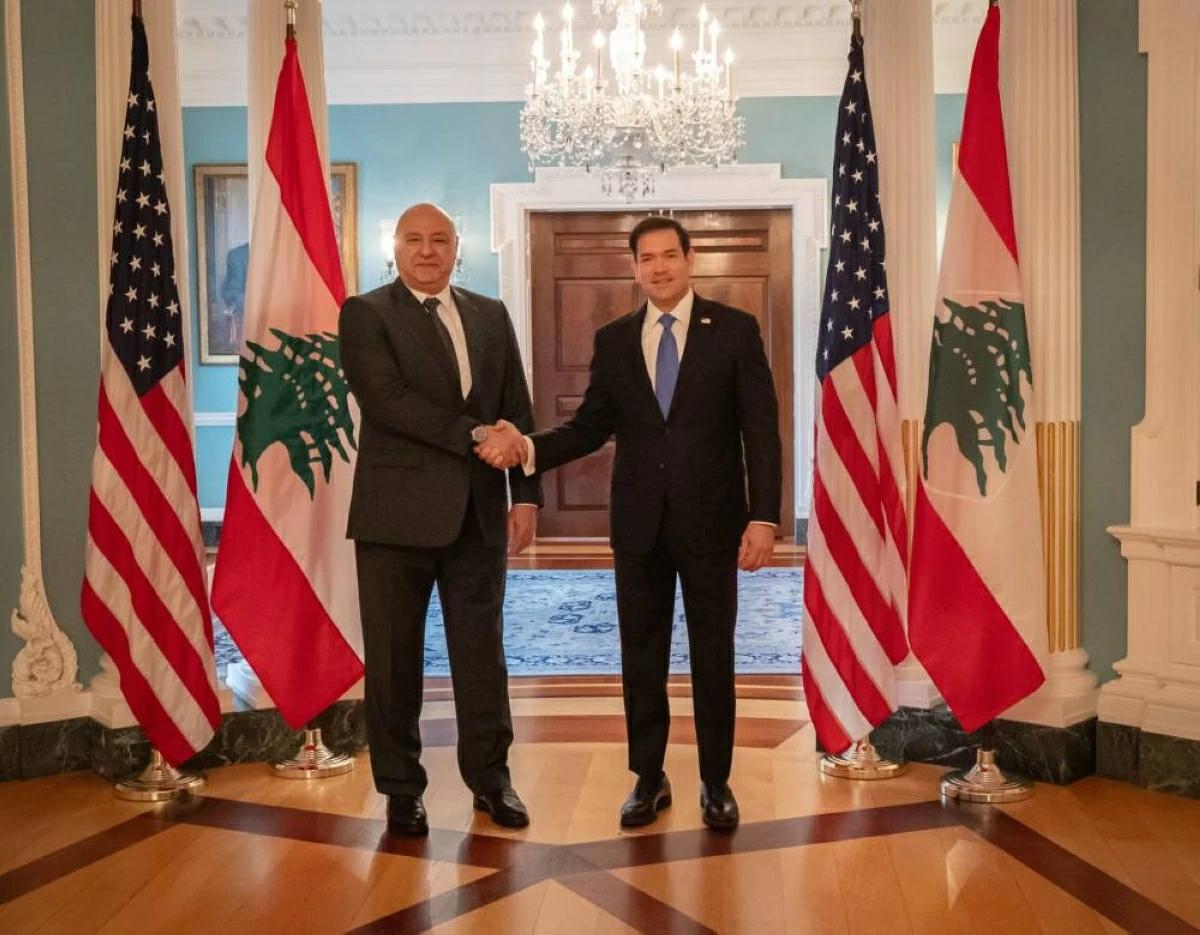
Israel and Lebanon agreed to a ceasefire framework after U.S.-led talks in Washington, DC, but Hezbollah rejected the terms and demanded a complete Israeli withdrawal from Lebanon.
DW reported that Hezbollah “rejects ceasefire deal brokered by US,” and NBC News said Hezbollah leader Naim Kassem rejected the agreement’s demand that Hezbollah fighters leave southern Lebanon under fire as “surrender, defeat and achieving the enemy’s goals.”

The ceasefire was described as creating “pilot zones” where the Lebanese armed forces would take exclusive control of territory to the exclusion of all non-state actors, while Hezbollah insisted “resistance will continue.”
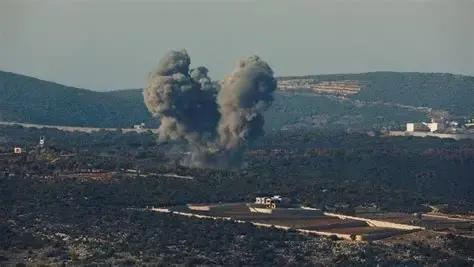
NBC News also reported that Israeli strikes killed at least four people in Lebanon, and that a U.N. peacekeeper was killed in the crossfire, as the fighting threatened efforts to end the Iran war and reopen the Strait of Hormuz.
DW added that UN Secretary-General Antonio Guterres condemned the killing of a Serbian peacekeeper in southern Lebanon, saying “These attacks must stop,” after the soldier died of wounds caused by mortar fire that struck his base on Wednesday.
Voices clash over terms
Hezbollah’s Naim Qassem framed the ceasefire as unacceptable, telling reporters that “The ceasefire must be comprehensive, without a separation between the south and the rest of Lebanon, and without the Israeli enemy having the freedom to kill.”
CBC reported that Hezbollah leader Naim Qassem rejected the Washington declaration, insisting “resistance will continue,” while Israel said it would not withdraw troops from the country and Defence Minister Israel Katz said Israeli forces would not be withdrawing from the area or halting operations.

Lebanese President Joseph Aoun said the ceasefire would come into force within 24 hours of all concerned parties approving it, and NBC News quoted Aoun calling the new agreement “the last chance to enter a final and comprehensive ceasefire.”
In southern Lebanon, residents in Sidon reacted with skepticism to the ceasefire announcement, with Mayada Hijazi saying, “Every few days a ceasefire is announced, but people keep getting killed,” and Salah Nassab adding, “It’s all talk and no action.”
The dispute also reached U.S. diplomacy, with CBC describing the ceasefire as undermining President Donald Trump’s efforts to halt fighting to forge peace with Tehran, while the U.S. State Department said the Israel-Lebanon ceasefire was contingent on Hezbollah completely halting fire and evacuating operatives from the area between the border and the Litani River.
What’s at stake next
The fighting in Lebanon, where Israeli forces have seized large swaths of the south, threatens efforts to reopen the Strait of Hormuz, a key transit point for oil and gas whose closure has jolted the world economy, NBC News reported.
DW said the IAEA flagged a “proliferation concern” over lack of access to verify nuclear material in Iran, and noted that the IAEA has not had access to nuclear facilities in Iran since Israel and the US struck its nuclear sites last June.
CBC reported that the war has continued despite several ceasefires declared from Washington since April, and that the Israel-Lebanon ceasefire was contingent on Hezbollah completely halting fire and evacuating operatives from the area between the border and the Litani River.
Al Jazeera reported that the ceasefire was “contingent on a complete cessation” of fire by Hezbollah and the removal of the group’s operatives from southern Lebanon, while Israel Defence Minister Israel Katz said the country’s military will continue operations in Lebanon for the time being and will not be withdrawing from the country.
DW also tied the Lebanon violence to broader escalation, saying UNIFIL launched its own investigation after Israel accused Hezbollah of firing the mortar that killed the peacekeeper and wounded two other peacekeepers, as Guterres wrote that “Seven peacekeepers serving with UNIFIL have now been killed & several more have been wounded” since escalation in hostilities since March.