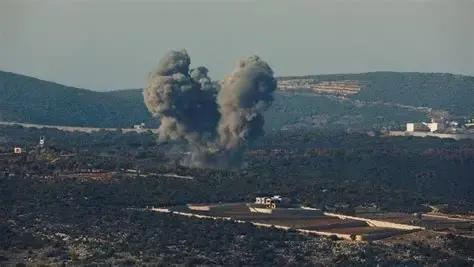
Full story
Mansouri vehicle blast
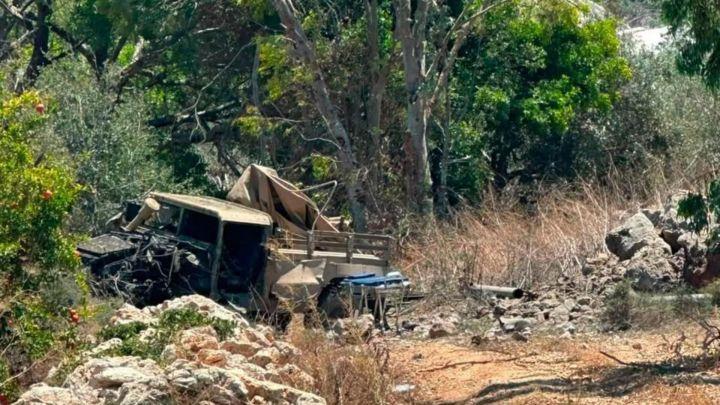
A Lebanese Army vehicle was hit by an explosion in the southern town of al-Mansouri on Saturday, killing one soldier and wounding an officer and another soldier, as the Lebanese Armed Forces continued to investigate the incident.
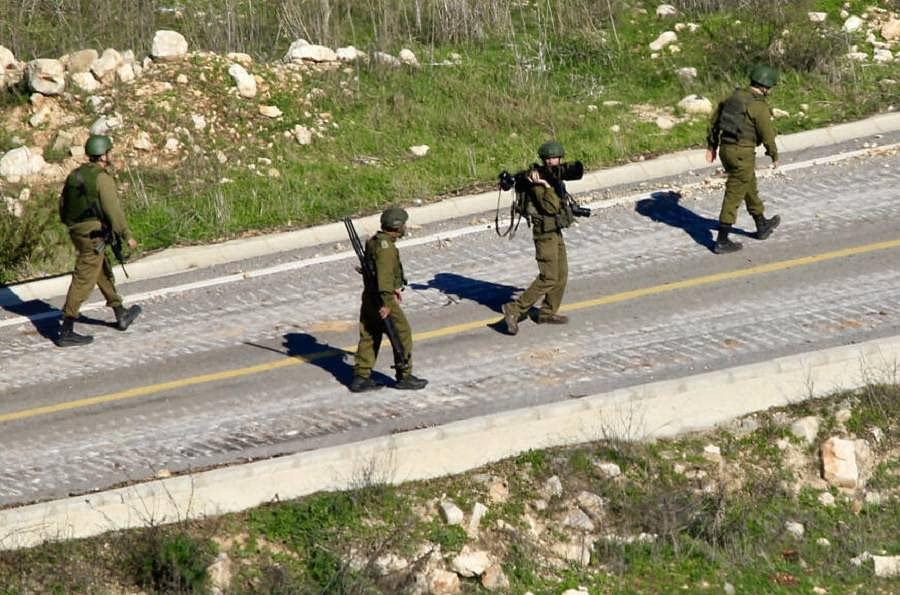
The Israeli army said the explosive device “did not belong to” it and that it had been planted by Hezbollah, adding that Israeli troops were not present in al-Mansouri at the time and that the Lebanese vehicle entered the security zone without prior coordination.
In the same incident, Prof. Eyal Zisser, vice rector of Tel Aviv University, told The Jerusalem Post that Hezbollah’s attack on the Lebanese Army in Mansouri was “the terrorist group’s way of hinting that it would escalate if threatened.”
Zisser also said the escalation would likely depend on whether there was an agreement between Beirut and Jerusalem, while noting that the US brokered an agreement between Beirut and Jerusalem for an Israeli withdrawal and the disarmament of Hezbollah last month.
Competing claims and talks
The Lebanese Army announcement described the blast as involving a “suspicious object” in a military vehicle, while the Israeli occupation army said the vehicle ran over a booby-trapped device and that preliminary investigations showed the device did not belong to the Israeli army.
The Israeli army reiterated that the Lebanese army vehicle entered the “security zone” without prior coordination with Israel, which it said violated the “existing coordination system” between the two sides.

In a separate thread of the same regional dispute, Hezbollah’s next actions were framed by Zisser as depending on whether “things are more concrete between the two countries,” because right now they “constitute ‘mainly talks, nothing real,’” in his account to The Jerusalem Post.
As the political track moved toward a meeting in Washington, the Lebanese presidency said Joseph Aoun would meet Donald Trump on July 21, and the US Embassy in Beirut said Rome talks ended on Wednesday with agreement to complete the structure of experimental zones and begin implementing them within days.
War toll and next steps
Beyond the Mansouri blast, the Lebanese Health Ministry figures cited in the reporting put the death toll from Israeli military operations since March 2 at 4,328 dead and 12,227 wounded, while the same coverage said Israel continued assaults and violations of the ceasefire agreement.
“The Lebanese military has said that a soldier was killed "as a result of the explosion of a suspicious object in an army vehicle" in the southern town of Mansouri”
In that context, the Lebanese presidency said Joseph Aoun left Beirut for Washington to meet Donald Trump on July 21, as negotiations with Israel continued over withdrawal from areas in the south and the disarmament of Hezbollah.
The Jerusalem Post also tied the stakes to Hezbollah’s posture toward any Lebanese government action, with Zisser saying that if the Lebanese government takes action, “we should expect retaliation from Hezbollah,” while asking what that retaliation would be.
Meanwhile, the Israeli army’s position on the Mansouri incident included a call for civilians and the Lebanese Armed Forces to avoid entering areas where Hezbollah continues to pose a threat and to coordinate movements in advance, as customary, for their own safety.