Lebanon16 July, 20262 min read
Lebanese Parliament Begins Two-Day Session To Vote On Amnesty And Abolish Death Penalty
This article is an automated aggregation of coverage from news outlets. Our editorials offer in-depth analysis curated by the NewsCord team.
Lebanese Parliament began a two-day session to debate amnesty and death-penalty abolition. Parliament will consider more than 40 laws, including sweeping amnesty.
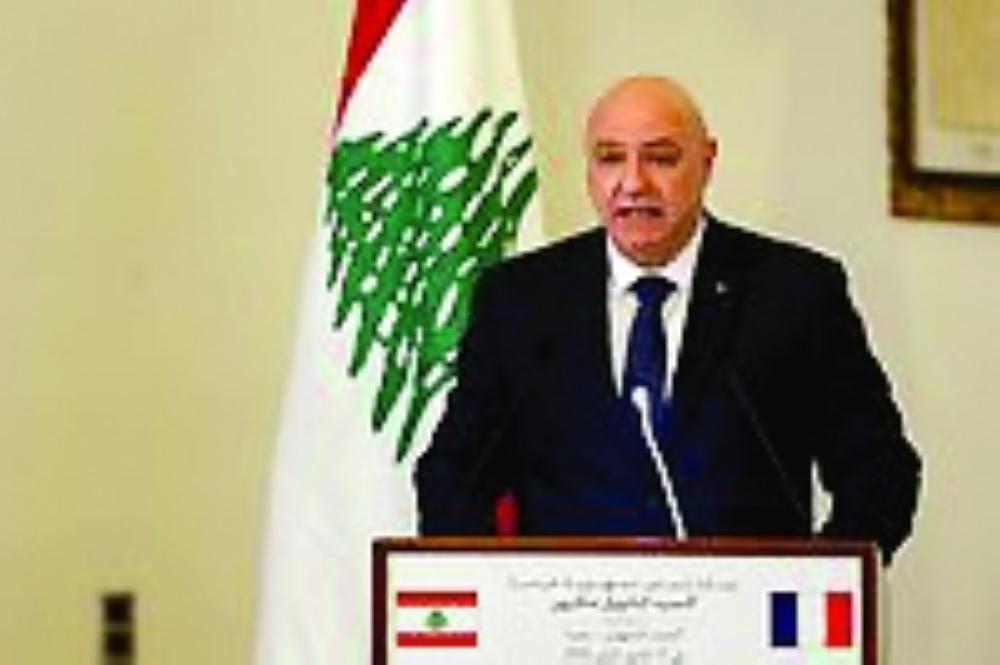
Amnesty and death penalty
Lebanese parliament began a two-day legislative session on Wednesday to discuss and vote on bills including an amnesty law and the abolition of the death penalty, which has not been carried out in years. Naharnet said parliament was considering more than 40 draft laws in the session, with the amnesty aimed at reducing overcrowding in Lebanon's prisons amid sectarian and political divisions over who would benefit.
The agenda also includes abolition of the death penalty, last carried out in Lebanon in 2004, with the death penalty preventing Lebanon from extraditing criminals who have fled to countries that have abolished the penalty. VOI.id reported that the Parliament began on Wednesday, July 15, to discuss and vote on more than 40 laws, including a bill to abolish the death penalty and an amnesty law, and described the session as the first held since elections were postponed for two years in March due to the Israel–Hezbollah war.
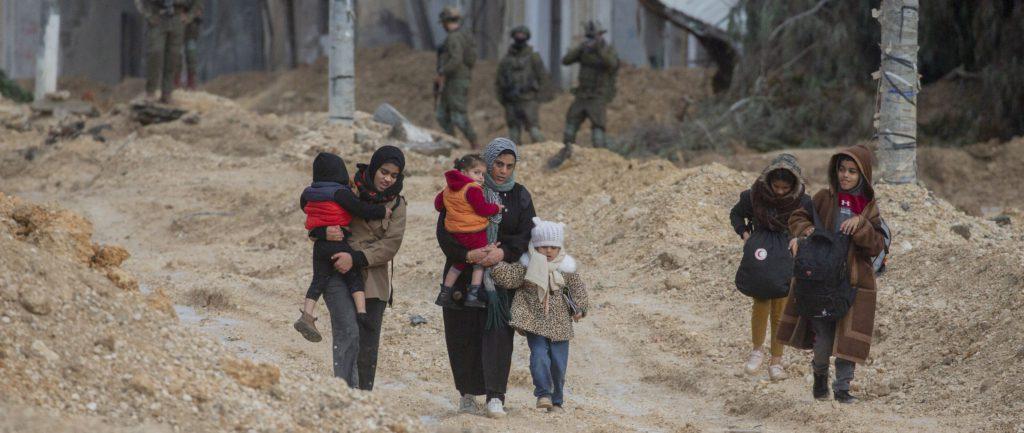
Who wants amnesty
Naharnet said amnesty has been a demand for families of Islamist prisoners accused of attacking the Lebanese Army, participating in clashes in northern Sunni-majority Tripoli, and planning bombings. It added that thousands of families from the eastern Baalbek and Hermel regions, bastions of Hezbollah and its ally Amal where illicit cannabis cultivation is widespread, have also been demanding amnesty for drug-related offenses and theft.
VOI.id similarly described amnesty petitions as a demand by families of Islamist detainees accused of attacking the Lebanese army, participating in rioting in Tripoli, and planning suicide attacks. VOI.id also said relatives of those who fled to Israel after Israeli forces withdrew from southern Lebanon in 2000 want their family members covered, while the death penalty prevents Lebanon from extraditing criminals who have fled to countries that have abolished the penalty.

Parliament stalls
After two days of debate, Thursday’s plenary session was adjourned without lawmakers voting on the key bills on general amnesty and the abolition of the death penalty, with the Lebanese Forces withdrawal causing the loss of quorum. Today said the session was adjourned indefinitely after Speaker Nabih Berri was prompted by the withdrawal, and it quoted Fady Karam saying, "We had requested that the bill abolishing the death penalty be voted on after the amnesty bill, but Nabih Berri, backed by Hezbollah, rejected that..."
Today also reported that a boycott by around 10 Sunni MPs occurred despite their support for the general amnesty bill, and that parliamentary blocs traded accusations during the day. In parallel, Naharnet had framed the session as the first held since parliament postponed elections by two years in March due to the Israel-Hezbollah war, setting the backdrop for the stalled vote on the amnesty and death penalty bills.