Full story
Bint Jbeil assault
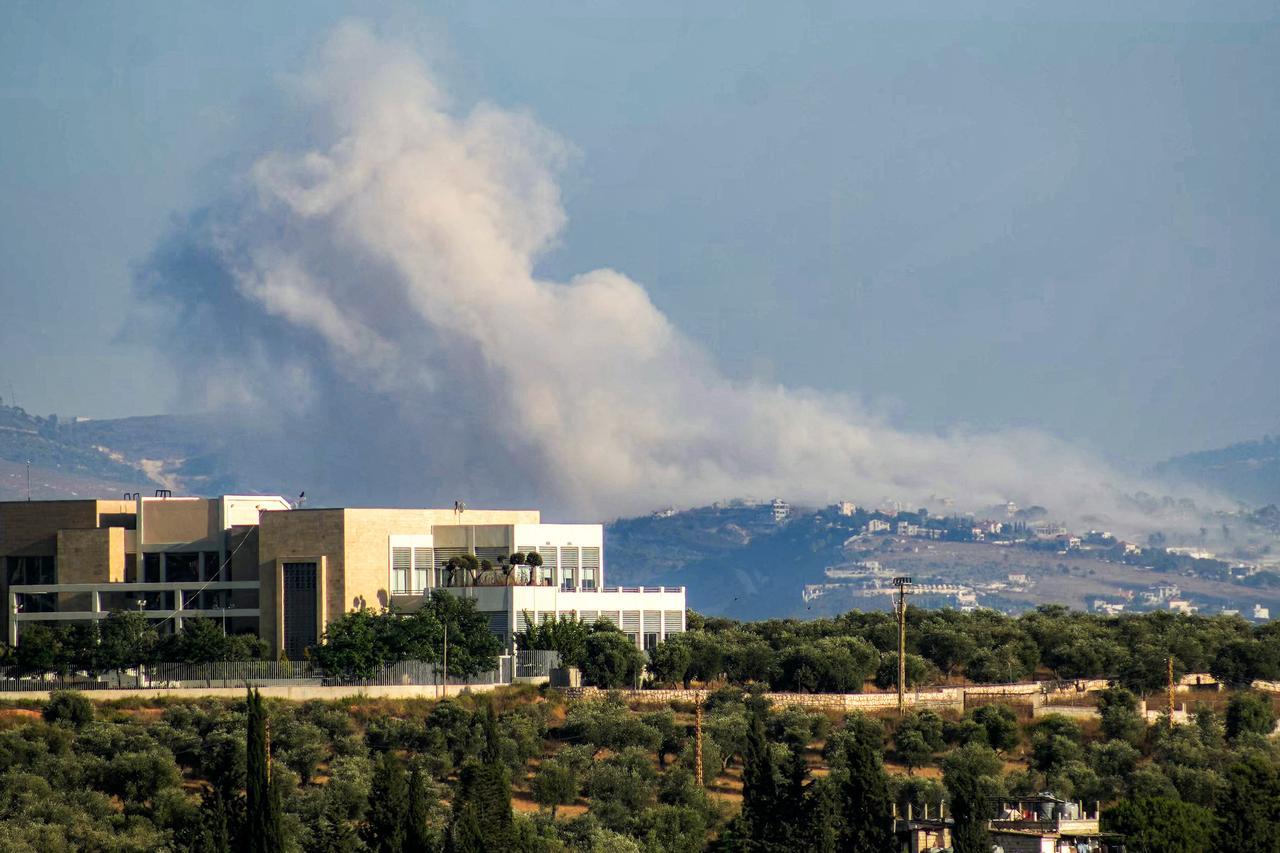
Israeli forces destroyed a Hezbollah stronghold around Bint Jbeil, with Lt. Col. S., a reserve deputy commander in the IDF’s 401st Armored Brigade, saying a Kornet anti-tank missile was found “before dawn inside a civilian home, aimed toward Israel” near the northern Israeli community of Avivim.
Ynetnews reported that Israeli forces blew up the house overnight after identifying it as Hezbollah military infrastructure, and that the scene offered “a glimpse of the campaign now unfolding around Bint Jbeil.”

The Jerusalem Post described the IDF racing to finish eliminating Hezbollah terror infrastructure in 52 southern Lebanese villages in the coming weeks, and said the push was underway before the US presses Israel for a wider withdrawal.
During the Bint Jbail visit, The Jerusalem Post said the tour showed off the destroyed Maroun al-Ras and that Bint Jbail appeared to be about 80% damaged, while the IDF said it had only been 44% destroyed in terms of stored terror infrastructure.
The Jerusalem Post added that the IDF said 1,500 items of terror infrastructure have been destroyed and that it hopes to reduce the terror infrastructure left over in southern Lebanon, including Bint Jbeil, to 70% while aspiring toward 100% elimination.
US pressure and handovers
The Jerusalem Post said that on Tuesday US President Donald Trump told Prime Minister Benjamin Netanyahu that he wanted Israel to withdraw from both Lebanon and Syria, and it tied the IDF’s timeline to negotiations over partial withdrawals and handovers to the Lebanese Armed Forces (LAF).
The Jerusalem Post reported that partial withdrawals and land transfers are being coordinated by US Marine Corps Lt.-Gen. Joseph R. Clearfield, and that the Post understood Clearfield met with IDF Chief of Staff Lt.-Gen. Eyal Zamir on July 1 and secretly visited Lebanon on July 2.

In the same reporting, the Post described a July 5 conversation with the Givati Brigade’s Weapons Commander Lt.-Col. “I,” who said he watched the LAF move into certain areas where the Givati Brigade was leaving while higher-level IDF and US officials handled transition and handover coordination.
Ynetnews said the destruction in Bint Jbeil is extensive, with Israeli officers saying about 40% of the town has already been demolished and expected to reach 70% in the coming weeks.
Ynetnews also described how the assault was led by Lt. Col. R., commander of the Paratroopers Brigade’s 101st Battalion, which reached Bint Jbeil after a 10-kilometer march and estimated around 400 Hezbollah terrorists had been concentrated in the town.
Damage, displacement, and stakes
Contretemps described how, since the start of the Israeli war against Gaza in 2023, the author’s father and other villagers in southern Lebanon followed the news hoping to return, but during the Israeli invasion of 2024 IDF soldiers occupied their house, ransacked it, and devastated it.
“A fragile truce allows thousands of residents to return to southern Lebanon these days”
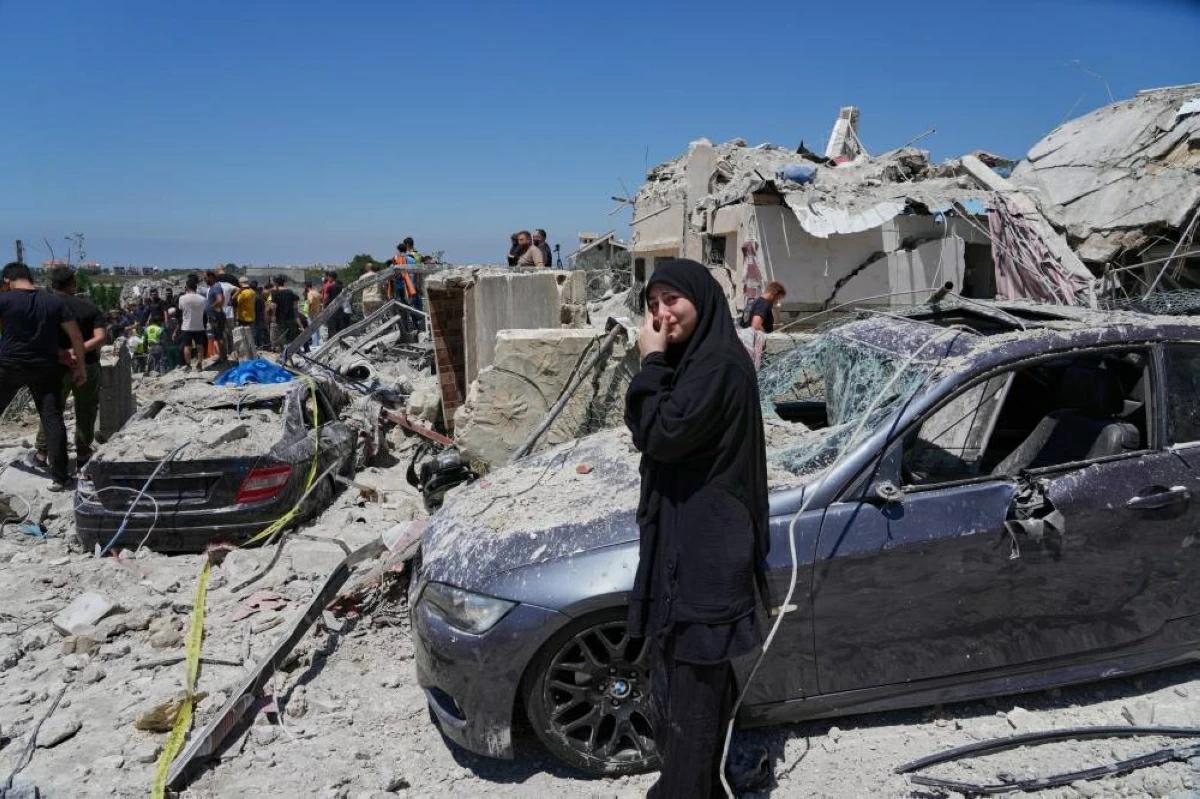
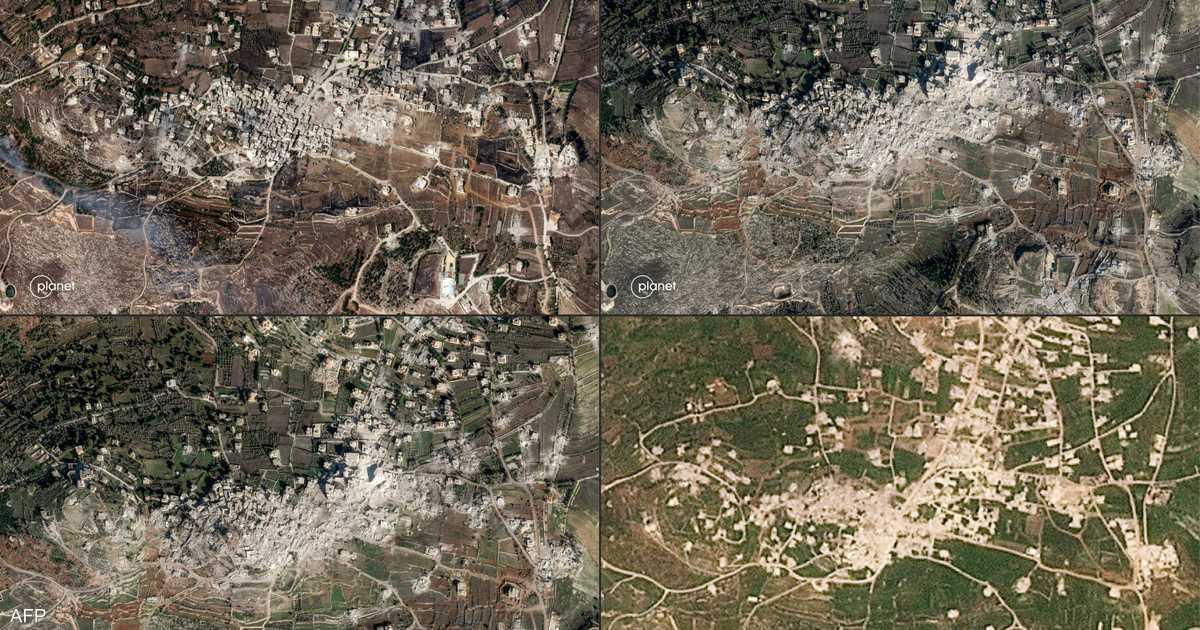
The account said that of the 1,050 buildings, 750 were completely or partially destroyed, and it listed dismantled infrastructure including electricity, water tanks and pipes, telecommunications lines, three schools, cemeteries, civil defense units, streets, two husayniyyas, other places of worship, shops and service stations, and small factories and farms.
In parallel, سكاي نيوز عربية reported that AFP reviewed testimonies and satellite images and said authorities have counted damage and destruction of more than 50,000 housing units since the war began on March 2, with officials describing it as an urban genocide aimed at uprooting residents.
The same AFP-based report quoted Hala Farah, displaced from Yaroun to Beirut, saying: ‘Everything is destroyed; we have nothing left but memories and some photos we and the neighbors are trying to gather so memory does not betray us’.
El País said that Youssef Mohammad Abbady, 42, told the paper from the rubble of his home in Kafra that “They’ve bombed it all,” and it reported that he is one of the 730,000 Lebanese who have returned to their homes—or what remains of them—since June, according to the United Nations.