Lebanon13 July, 20263 min read
Israeli Forces Demolish and Burn Homes in Hadatha, Lebanon Despite Framework Deal
This article is an automated aggregation of coverage from news outlets. Our editorials offer in-depth analysis curated by the NewsCord team.
Framework signed in Washington on June 26 to halt hostilities. Israeli forces demolished and burned homes in southern Lebanon.
Anadolu Ajansı was read line by line by the Watchdog: 0.5. See the score →
Framework deal, strikes continue
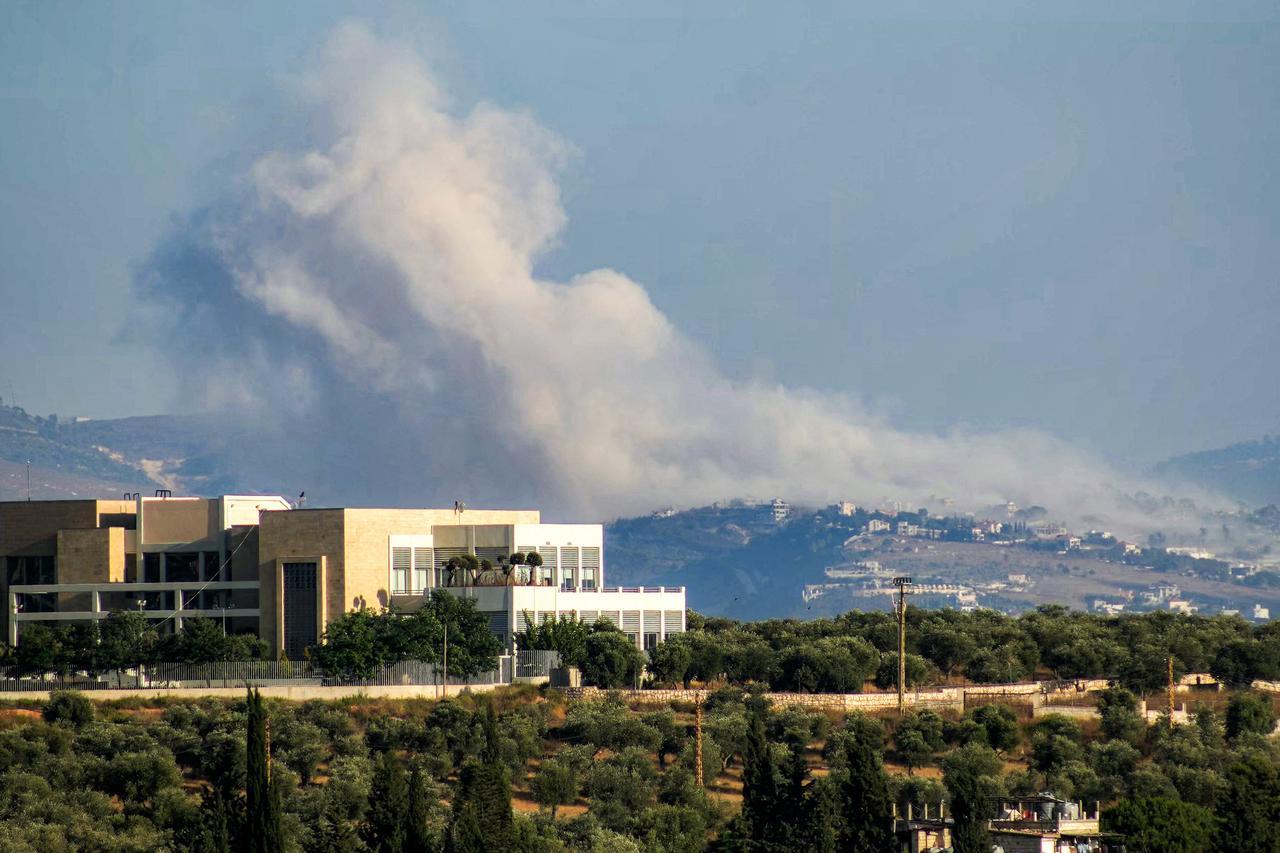
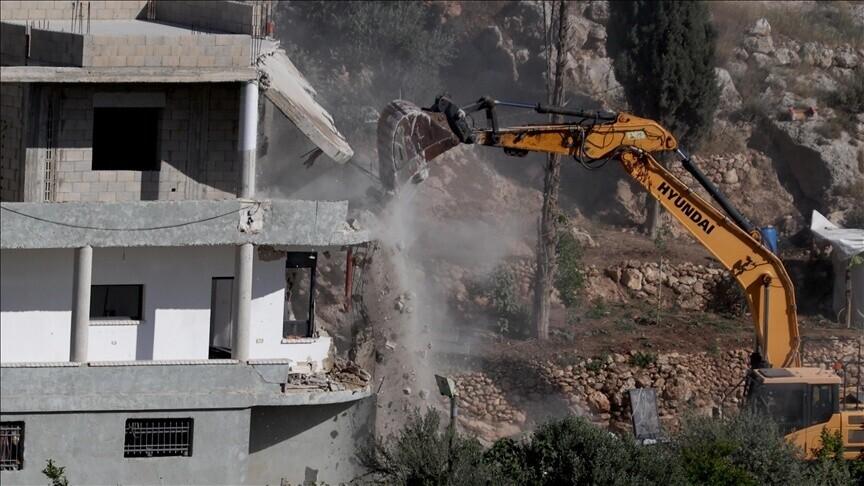
Israeli forces demolished and burned homes in southern Lebanon’s Hadatha neighborhood on Monday, Lebanon’s state-run National News Agency reported, despite a US-sponsored framework agreement signed on June 26, 2026 and a ceasefire in effect since November 2024. The Anadolu Ajansı report said Israeli forces carried out a large explosion in the southern city of Bint Jbeil on Sunday, and it described the operations as daily violations of the framework agreement between Tel Aviv and Beirut. In parallel, Arab News reported that hundreds of thousands of Lebanese displaced by months of conflict have begun returning to their homes in the country’s south after Israel and Lebanon signed the framework agreement in Washington on June 26.
Lebanese authorities estimate that some 1.2 million people were displaced during the conflict, while Arab News said around 400,000 people returned to southern Lebanon within 24 hours of the framework agreement and the International Organization for Migration said 646,107 had returned, according to its latest assessment. Arab News also reported that the return of displaced civilians does not extend to villages located within the “Yellow Line” security zone established by Israel, encompassing 64 towns and villages that remain under its control.
Talks in Rome, competing narratives
As displaced families weigh the risks of return, Haaretz reported that Israeli and Lebanese representatives are set to begin another two-day round of U.S.-mediated talks in Rome on Tuesday, the sixth round of direct negotiations since the cease-fire between Iran, the United States and Israel was declared in April. Haaretz framed the talks as direct negotiations following the April cease-fire, while Anadolu Ajansı described Israeli operations in southern Lebanon as continuing despite the framework agreement signed on June 26, 2026. Arab News said Hezbollah did not commit to the ceasefire until the Lebanese-Israeli framework agreement was announced, dismissing it as “null and entirely in Israel’s interest,” and it quoted Hezbollah’s secretary-general Naim Qassem affirming the group’s commitment to the US-Iran negotiations.
Arab News also quoted Ali Al-Amine, editor-in-chief of the independent Lebanese news website Janoubia, saying he had seen people returning to their homes in his southern town of Shaqra on the edge of the Yellow Line but that many fear being displaced yet again. In the same report, Arab News said those who have returned still lack basic services such as water and electricity, despite settling in areas that escaped the worst of the destruction.

Pressure for withdrawal and stability
Lebanon’s political leadership is pressing for implementation of the framework agreement through external pressure, with Lebanese President Joseph Aoun announcing he will request that U.S. President Donald Trump pressure Israel to implement the framework agreement and satisfy Lebanon’s demands during his upcoming visit to the United States on July 21.
Türkiye Today reported that Aoun said he would raise the issue during his July 21 visit and that he would ask U.S. President Donald Trump to exert the necessary pressure on Israel for the implementation of the points agreed in the framework agreement and Lebanon’s demands.
Aoun also emphasized that the army and the state are the sole forces capable of protecting the Lebanese population, and Türkiye Today quoted him saying, “The option of war has failed. Therefore, this process must be tried.”
In parallel, Lebanon Debate quoted Speaker Nabih Berri warning that “Stability has been and remains a trust for me, and I will not betray it; and undermining Army Commander General Rodolphe Haykal would lead to the ruin of the country.”
Lebanon Debate said Berri’s stance reflects his rejection of dragging Lebanon into a game of axes and his effort to prevent escalation of sectarian political polarization, while it also described his readiness to explore a settlement with President Joseph Aoun that would include introducing amendments to the agreement.