
Hezbollah Rejects US-Mediated Lebanon-Israel Ceasefire, Israel Keeps Strikes in Southern Lebanon
Key Takeaways
- Hezbollah rejected the US-led ceasefire, leaving enforcement uncertain.
- Framework requires Hezbollah to halt attacks and withdraw from southern Lebanon.
- Israel kept forces in the south and continued strikes, undermining the deal.
Ceasefire rejected, strikes continue
Hezbollah rejected a ceasefire plan agreed by the Lebanese and Israeli governments in US-mediated talks, while Israel kept up strikes in southern Lebanon on Thursday and said it wouldn't be withdrawing from the south.
“Toggle Play Israel and Lebanon agree on ceasefire framework in US-led talks The US announced a ceasefire framework between Israel and Lebanon, which includes expanded Lebanese army control and a halt to Hezbollah attacks”
Hezbollah leader Naim Qassem said the negotiations were shameless, rejecting the Washington declaration as "a roadmap for the annihilation of a section of the Lebanese people and the enslavement of the rest."

The United States announced on Wednesday that Lebanon and Israel had agreed to implement a ceasefire contingent on Iran-backed Hezbollah ceasing fire and evacuating its fighters from areas of southern Lebanon near the border.
An Israeli official said, "We are not negotiating with Hezbollah," adding that Israel, Lebanon, and the United States were working to implement a ceasefire based on the understanding that Hezbollah will be disarmed and southern Lebanon will be demilitarized.
The Israeli military, in a warning to residents of the south, said it was continuing to target Hezbollah facilities, and Lebanon's National News Agency reported five people killed in airstrikes in the town of Sohmor.
Israeli politics split, talks hinge
In Israel, National Security Minister Itamar Ben-Gvir called the agreement a "serious mistake" and wrote that "the pipe dreams of advisers are dragging the prime minister to wrong decisions," as the ceasefire framework faced uncertainty on the ground.
Hezbollah Secretary General Sheikh Naim Qassem said Thursday that his group would continue fighting, including through staging attacks on northern Israel, until Israel withdraws its forces and ceases its bombing of Lebanon.
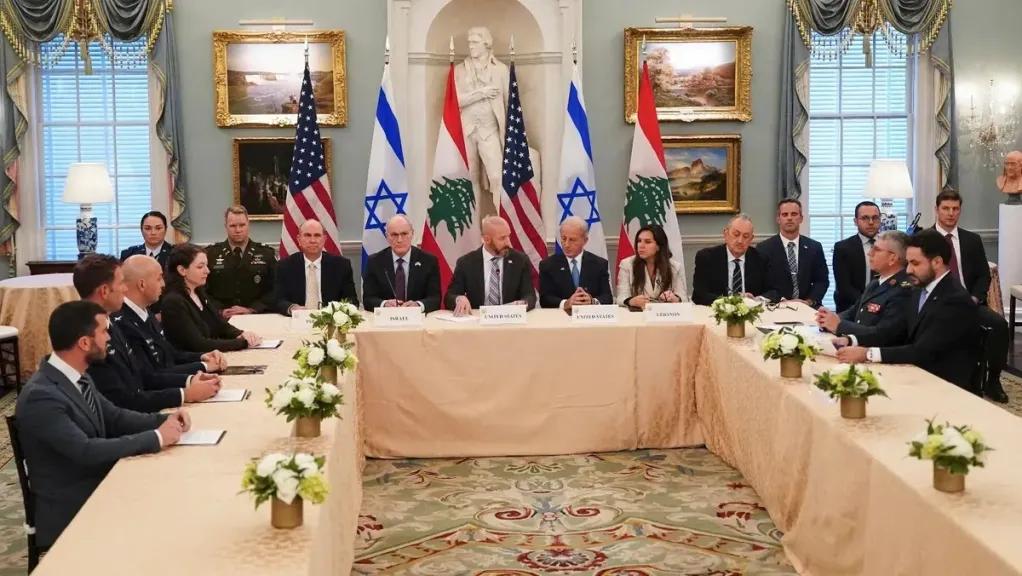
Lebanese President Joseph Aoun said the truce would take effect within 24 hours of approval by all concerned parties, and he described Washington's ceasefire framework as "a final opportunity to secure a comprehensive and permanent ceasefire."
The US State Department statement said the Israel-Lebanon ceasefire was contingent on Hezbollah completely halting fire and the evacuation of all its operatives from the area between the border and the Litani River, while it made no reference to any Israeli withdrawal from the south.
Israel's Defense Minister Israel Katz said Israel "will, for the time being, continue its fire and operations on the ground," and said Israeli forces would remain in the security zone, including the area of Beaufort castle, "and without the return of the population."
Pilot zones, displacement, next talks
The framework agreed by Israel and Lebanon calls for the swift creation of pilot zones in which the Lebanese Armed Forces will take exclusive control of the territory to the exclusion of all non-state actors, and Lebanon's army declared in January that it had established control over the area between the border and the Litani.
Lebanese troops deployed into the south as part of a November 2024 ceasefire to end the last Hezbollah-Israel war, and the Lebanese government proposed one such zone in the area of Beaufort castle as a model that could be rolled out elsewhere.
Israel's campaign has forced some 1.2 million people to flee their homes, including hundreds of thousands from southern Lebanon, Lebanese authorities say, with most displaced being Shi'ite Muslims.
The US said the two sides agreed to resume political and security negotiations during the week of June 22 with the goal of reaching a comprehensive agreement, and the US State Department statement said the ceasefire was contingent on Hezbollah's complete halt to fire and evacuation of operatives from the south Litani sector.
Meanwhile, the American Conservative described the ceasefire as rejected by Hezbollah as the Iran war entered its 58th day on Thursday, while the US-brokered framework remained tied to Hezbollah withdrawal from southern Lebanon.
More on Lebanon

Israel Katz Says Israel Will Continue Operations as Hezbollah Rejects U.S.-Brokered Ceasefire
15 sources compared
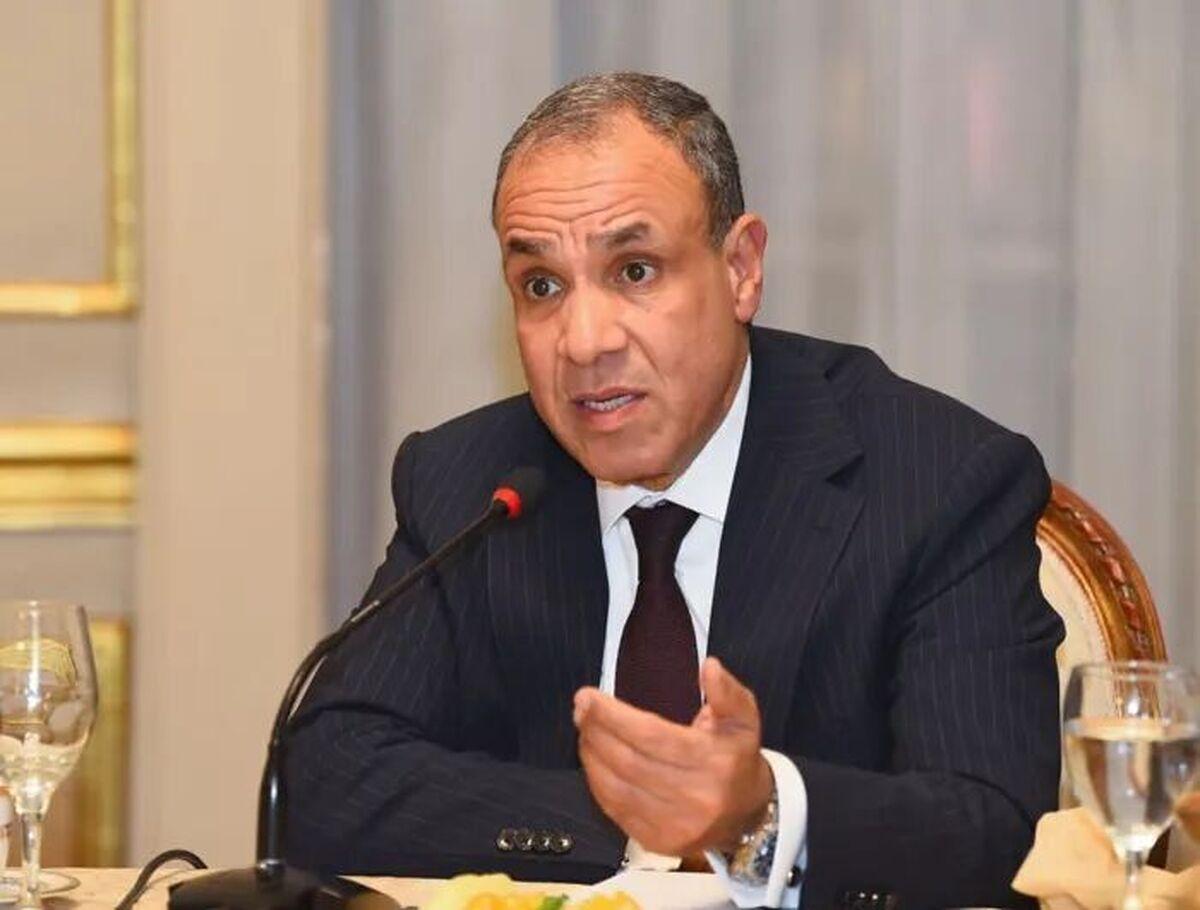
Hezbollah Rejects Israel-Lebanon Ceasefire, Demands Complete Israeli Withdrawal From Lebanon
42 sources compared
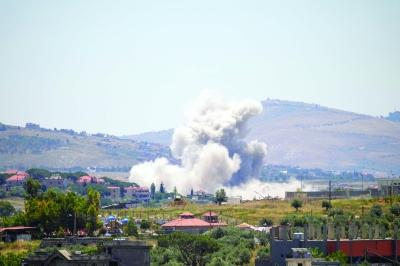
Hezbollah Rejects U.S.-Declared Ceasefire, Demands Israeli Withdrawal as Israel Continues Ground Operations
37 sources compared

Lebanese Islamic Resistance Targets Three Merkava Tanks, Israeli Soldiers Near Shaqif Historical Fortress
10 sources compared