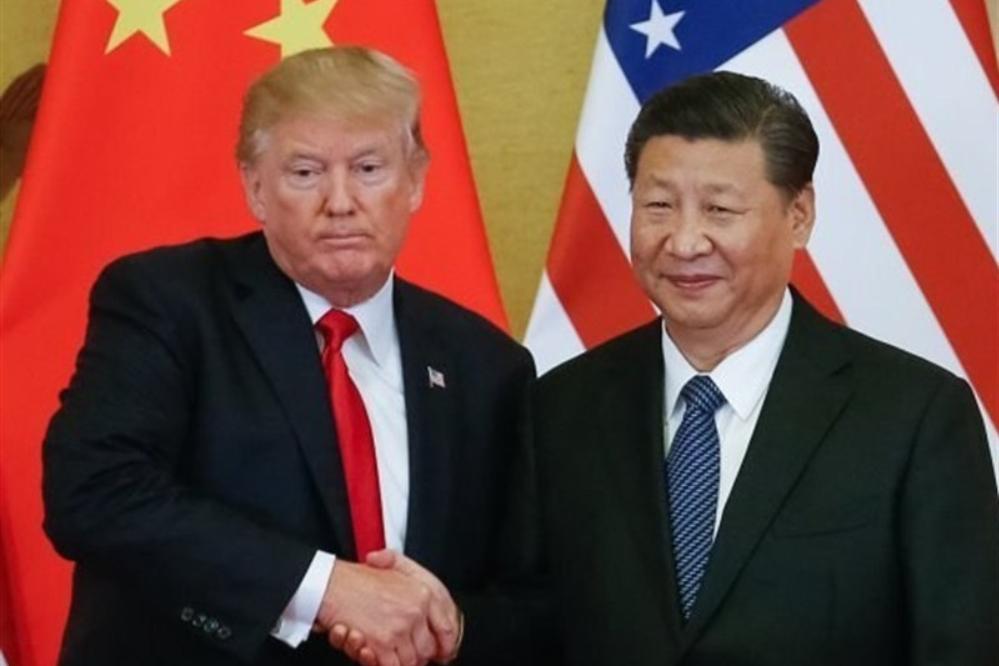
Hezbollah Rejects U.S.-Brokered Ceasefire as Israel Katz Confirms Strikes in Southern Lebanon
Key Takeaways
- Hezbollah tensions overshadow U.S.-brokered ceasefire attempts in Lebanon.
- Tensions threaten Trump's Iran diplomacy, complicating negotiations and regional stability.
- Domestic opinion shifts and regional volatility imperil Iran deal prospects.
Lebanon tests Iran talks
Iran-linked tensions in Lebanon and the Gulf have complicated U.S.-Iran diplomacy as Hezbollah rejected a U.S.-brokered ceasefire with Israel, undermining President Donald Trump’s efforts to placate Tehran.
Devdiscourse says Iran positioned a Lebanese ceasefire as a condition for wider peace negotiations, while persistent Israeli strikes in southern Lebanon were confirmed by Defence Minister Israel Katz.

In parallel, Devdiscourse describes an escalated military exchange in the Gulf between Iranian and U.S. forces, adding strain to U.S.-Iran relations and impacting global oil supplies.
The New York Post frames the same broader standoff as a negotiation process that Trump is not rushing to end, quoting Alex Plitsas saying the president still believes “this can be resolved through the ongoing diplomatic process.”
Quotes, missiles, and doubt
The New York Post reports that Iran hammered Kuwait with 13 ballistic missiles and 17 drones, and it quotes Danielle Pletka saying, “The Iranians think they have the upper hand.”
In the same account, White House spokeswoman Olivia Wales argues the administration has the leverage, telling The Post that “Iran’s navy is at the bottom of the ocean, their military is wiped out.”

Ratopati adds that Trump said on a podcast that he was “somewhat dissatisfied with the issue of continuous fighting with Lebanon,” while also saying his relationship with Netanyahu was good.
Ratopati further states that Netanyahu told CNBC, “Just like in a good family, there are sometimes strategic differences,” as it describes analysts’ concerns about Lebanon shaping Israel’s and Iran’s different ceasefire demands.
What’s at stake next
As negotiations continue, Devdiscourse says Iran’s oil exports have plummeted and global oil prices fluctuate, while it describes political and military posturing intensifying alongside the Lebanon ceasefire dispute.
The New York Post adds that Trump told reporters in the Oval Office, “consider” ending the cease-fire if American troops were killed in Iranian attacks, and it quotes Rebecca Heinrichs arguing “time is on America’s side.”
In a separate strand, SANA says Trump warned that the anticipated agreement would be “either be great for everyone or there will be no agreement at all,” while also asserting that the U.S. blockade of ports and Iranian ships in the Strait of Hormuz will remain in full force until a final agreement is reached.
SANA also reports that Iranian Foreign Ministry spokesman Esmaeil Baqa'i said signing a deal is not near, while it describes the Strait of Hormuz as the “central knot” in the negotiations.
More on Iran
Trump Says U.S. Strikes Obliterated Iran’s Nuclear Sites, Warns Iran Killing U.S. Troops
16 sources compared
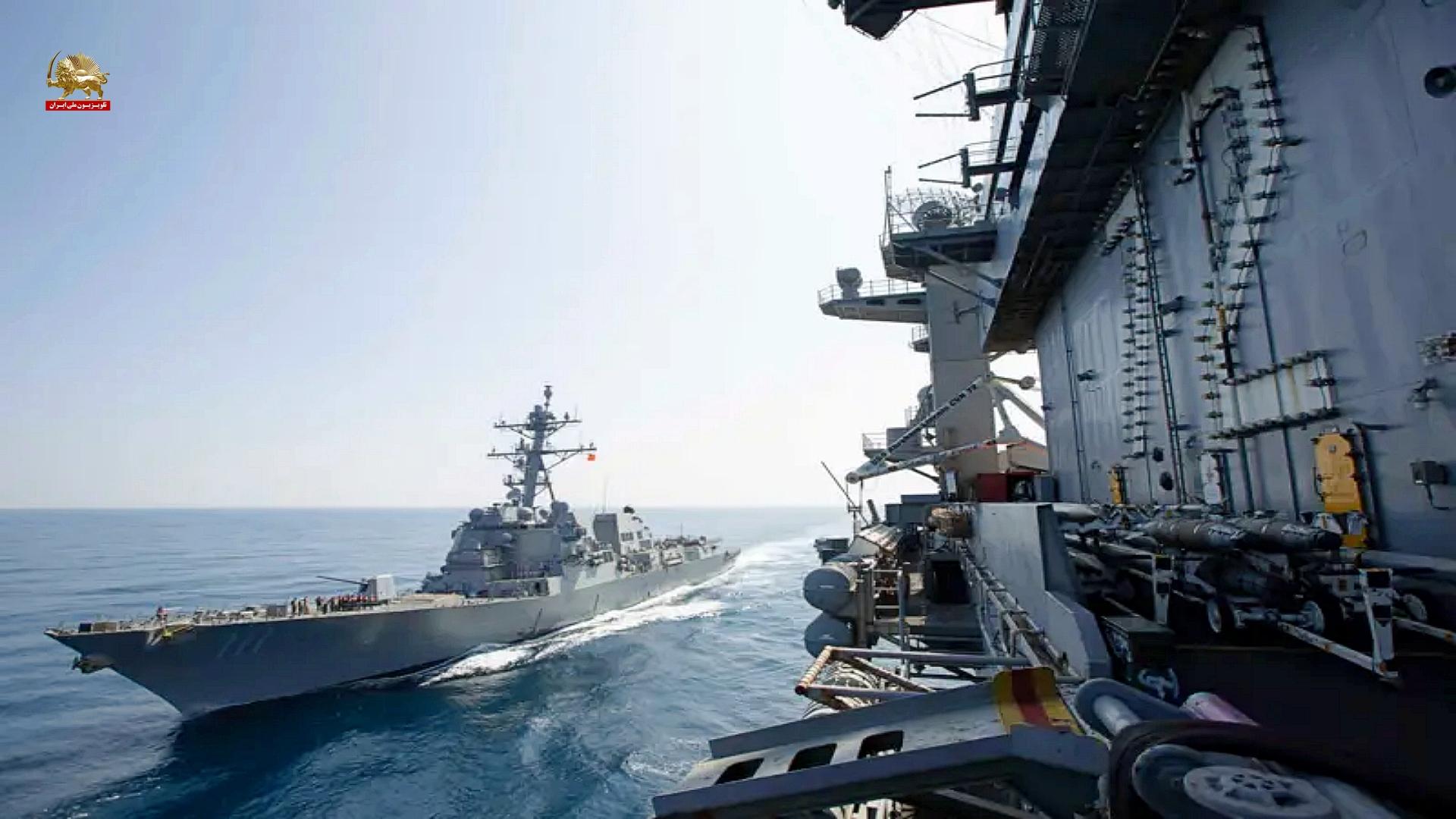
Iran Kills One, Wounds Dozens in Missile and Drone Attack on Kuwait International Airport
12 sources compared
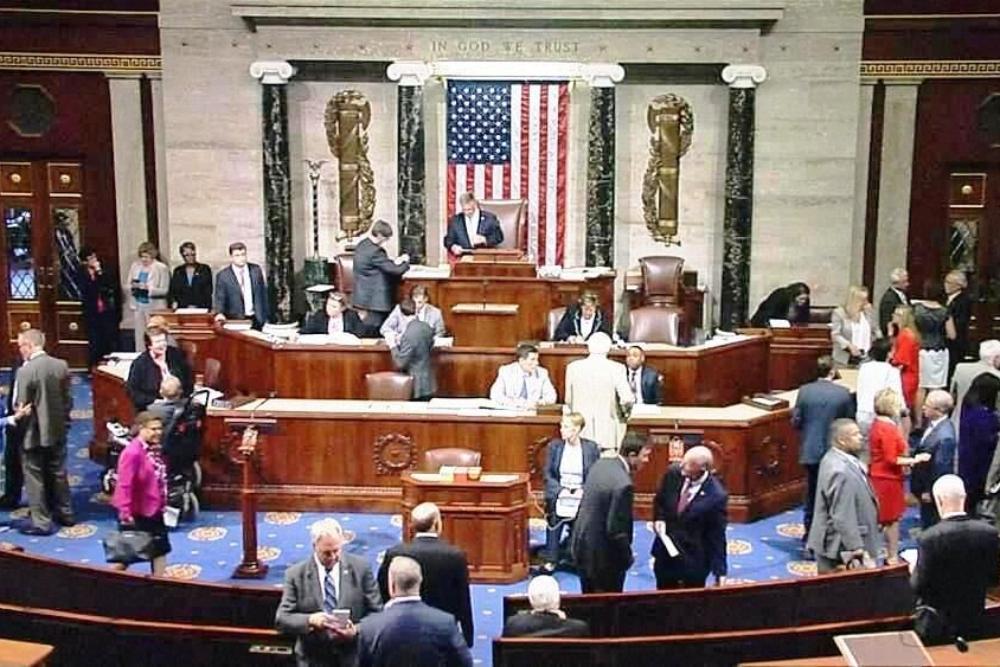
House Passes War Powers Resolution Directing Donald Trump To End Hostilities With Iran
16 sources compared

Iran’s Abbas Araghchi Warns Israeli Attack on Beirut Would Resume Full-Scale War
22 sources compared