Full story
House rebukes Trump
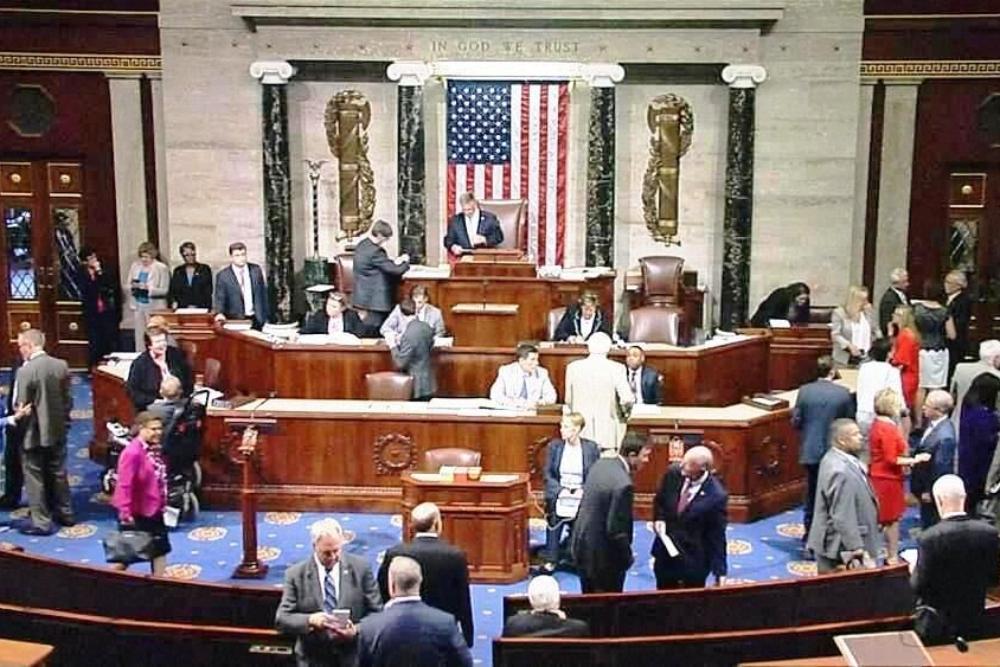
The U.S. House passed a war powers resolution on Wednesday directing President Donald Trump to end hostilities with Iran, voting 215 to 208 with four Republicans joining Democrats in support.
House Speaker Mike Johnson, R-La., defended Trump’s decision to attack Iran by telling reporters, "Remember … Iran declared war on us 47 years ago."
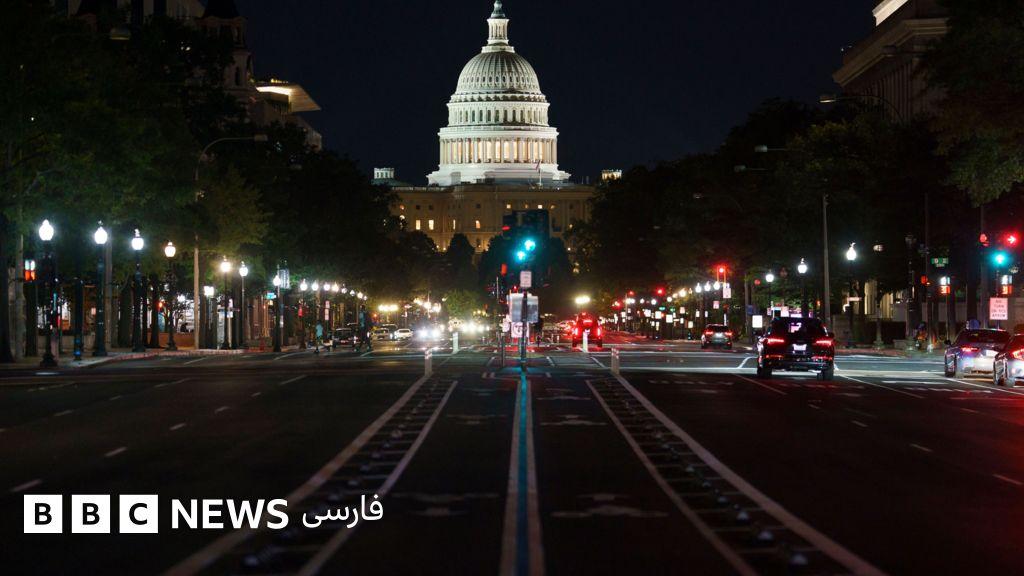
The resolution was introduced by New York Democratic Rep. Gregory Meeks, and it would require Trump to withdraw U.S. armed forces from engagements with Iran unless Congress formally declares war or authorizes the use of military force.
NPR reported the vote came as the conflict began on Feb 28 with strikes by U.S. and Israeli forces on Iran, and it noted the administration has questioned the constitutionality of the War Powers Act.
The BBC said the resolution was prepared and pursued under Democratic leadership and was ultimately approved on Wednesday by a 215-208 vote, after it had been pulled from the agenda before the Memorial Day recess on May 21.
Quotes and vote dynamics
Ahead of the House vote, Rep. Gregory Meeks, D-N.Y., warned that Republicans pulled the measure because they knew they were going to lose it, saying, "Republicans pulled this vote because they knew they were going to lose it."
The Washington Post described the Wednesday action as the first time a measure to block further strikes on Iran cleared the House or Senate on a final vote since the start of the conflict more than three months ago.

CNN reported that the resolution passed 215 to 208 with Republican Reps. Thomas Massie, Brian Fitzpatrick, Tom Barrett and Warren Davidson crossing party lines to support it.
Fox News quoted House Foreign Affairs Committee Chairman Brian Mast, R-Fla., calling the outcome "just a total BS vote," and said the vote would be symbolic given an expected presidential veto.
In a separate development, the BBC said the resolution does not compel Trump to end the war and is "more of a symbolic expression of the House's opposition" to his war policy toward Iran.
Next steps and stakes
The House resolution passed Wednesday must be approved by both chambers, and CNN said it "would not go to the president to be signed," while NBC News described it as a symbolic expression of disapproval that directs Trump to remove U.S. armed forces from hostilities with Iran unless Congress votes to declare war or authorizes military force.
“Trump says a peace agreement with Iran could be reached by the weekend”
NBC News also said the Senate version has teeth and would require Trump to end the war without congressional approval, but it would need to pass the House and Trump could veto it.
In the Senate, Nour News reported that in the early hours of Wednesday, "Fifty senators supported the measure and 47 opposed it," and it said the aim is to ensure the president can only continue war against Iran with formal authorization from Congress.
NPR said the War Powers Act gives the president 60 days to end hostilities if there has been no congressional authorization, though it allows a 30-day extension, and it noted talks to end the war had yet to gain clear traction.
The BBC added that earlier this year Republicans rejected three similar attempts, and it said the latest vote ended in a 212-212 tie before Democrats pushed again, with Rep. Mark Pocan expressing hope the Senate would also pass the resolution.