USA16 July, 20262 min read
Trump Threatens To Destroy Iran’s Bridges As CENTCOM Launches Attacks Near Greater Tunb
This article is an automated aggregation of coverage from news outlets. Our editorials offer in-depth analysis curated by the NewsCord team.
Trump threatened to destroy Iran's bridges and energy infrastructure. DW, Guardian, and IRNA describe restart of war with Iran.

Strikes, blockade, and threats
President Donald Trump’s renewed war posture toward Iran is tied in the sources to continued U.S. attacks and the reimposition of Iran’s naval blockade, with DW saying CENTCOM began “a wave of attacks against Iran” at 6 a.m. Eastern Time.
“Today at 6 a.m. Eastern Time, CENTCOM forces began a wave of attacks against Iran.”
DW reported that during a “90‑minute wave” CENTCOM used “precise munitions against coastal defense systems and storage and launch sites for cruise missiles on Greater Tunb Island.”
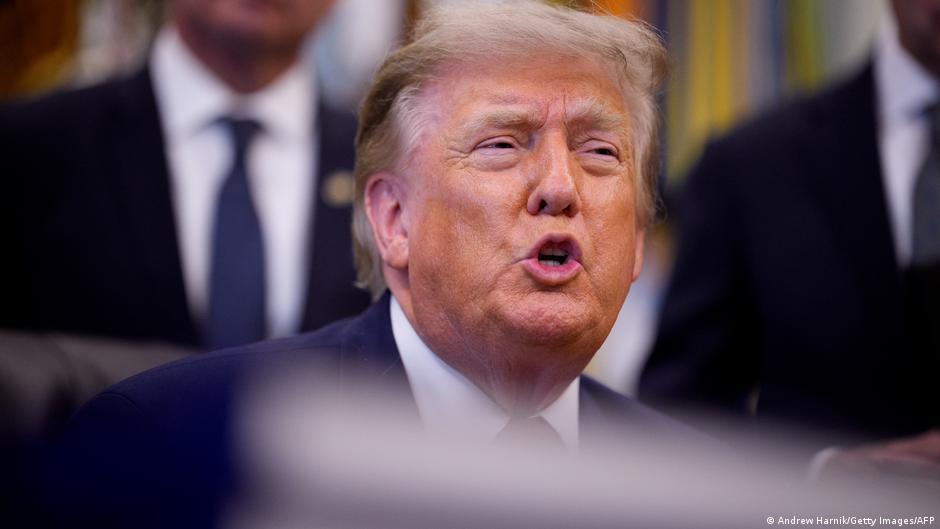
DW also said Iran’s spokesperson Fatemeh Mohajerani stated that “at least 30 civilians have been killed” in recent U.S. strikes, while Iran’s army said seven of its personnel were killed in a missile attack on a military base near the city of Iranshahr.
In parallel, the sources describe Trump threatening infrastructure targeting, with the West Asian report quoting Trump saying, “We will destroy all of their bridges unless they come to the negotiating table.”
Debate over ground options
Khabaronline, citing analyst Hamidreza Azizi, said the pattern of U.S. attacks on southern Iran “may indicate a gradual strategy aimed at paving the way for a possible deployment of ground troops.” The same Khabaronline account said the campaign could aim to seize Iran’s southern coastal belt “in order to deny Iran control of the Strait of Hormuz,” and it described attacks on bridges and railway lines in southern Iran.
In a separate thread, Tabnak quoted Nate Swanson saying, “I see no viable path to military victory,” and it added that Swanson believes Trump will likely escalate “in order to de-escalate.” The Guardian framed the renewed strikes as a political risk, quoting Nate Swanson that “the escalation has already exceeded what I thought was possible,” while also describing the MoU signed on 17 June as “dead in the water.”

What’s at stake next
The Guardian said the renewed violence is centered on control over the strait of Hormuz, describing it as “a strategically-vital waterway” and saying it was “a conduit for 20% of the world’s energy exports before the war started on 28 February.” The Guardian also described the MoU as intended to pave the way for a “60-day ceasefire” while negotiations would take place on Iran’s nuclear program, and it said Iran would reopen the strait in exchange for “significant sanctions relief.”
“The Strait of Hormuz will remain closed until the United States stops its ‘aggressive actions.’”
In DW’s reporting on the regional spillover, it said the IRGC warned that “The Strait of Hormuz will remain closed” until the United States stops its “aggressive actions.” DW further reported that Jordan’s army said it intercepted and shot down three missiles launched by Iran that were headed toward Jordan, with Petra reporting the missiles were destroyed “without causing damage.”