
Iran’s Abbas Araghchi Warns Israeli Attack on Beirut Would Resume Full-Scale War
Key Takeaways
- Any attack on Beirut would trigger a full-scale regional war.
- Iran says talks with the US to end the war are ongoing.
- Israel intensified Lebanon operations, including a Beirut hotel strike.
Accord Talks, Beirut Threat
Iran’s foreign minister Abbas Araghchi said Iran is reviewing a final draft of a proposed memorandum of understanding with the US aimed at ending months of conflict, while warning that an Israeli attack on Beirut would trigger a collapse of the ceasefire and a resumption of full-scale war.
“On Wednesday, Iranian Foreign Minister Abbas Araghchi said that any attack on the Lebanese capital Beirut would lead to the resumption of war in the Middle East on a large scale, as Israel intensified its military operations against Lebanon that day”
Araghchi told Iran’s Islamic Revolutionary Guard Corps (IRGC)-affiliated Tasnim news agency that “We have explicitly declared to all concerned parties that an attack on Beirut is a blatant aggression, and we will not remain silent in the face of it,” and added that “our armed forces are fully prepared to resume the war and strike targets inside Israel.”

The warning came as Araghchi said “communication with the Americans has not been severed,” and messages had been exchanged about “the necessity of halting the aggression against Beirut,” but “no tangible progress” had been achieved.
The Rudaw report also said US President Donald Trump, in a Monday statement on Truth Social, called reports to the contrary “false and erroneous” and said talks with Iran were still ongoing.
Rudaw further tied the diplomatic track to the wider conflict, saying Iran and the US agreed to a Pakistan-mediated ceasefire on April 8 and that the first round of talks concluded without a final agreement on April 11.
Trump’s Split Track
As Iran insisted the Lebanese front must be covered in any war-end accord, US President Donald Trump said he wanted to keep diplomatic discussions on the conflict involving Lebanon separate from talks related to tensions with Iran.
Speaking to reporters on Wednesday, Trump said, “I’d like to separate it… because it is separate,” and suggested a potential deal “could happen… over the weekend.”
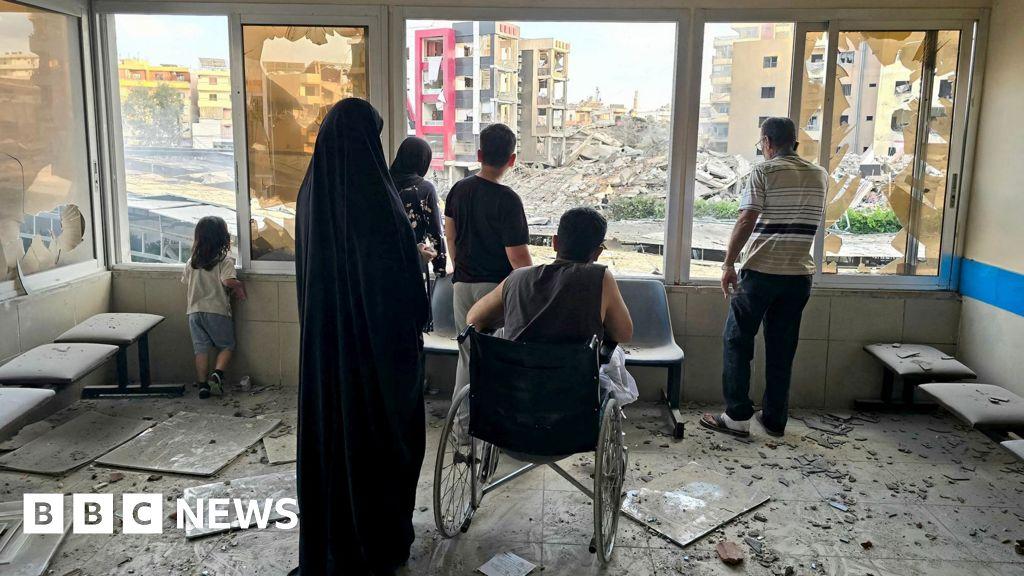
The same report quoted Araghchi warning that “The fate of the war between Iran and the Zionists (Israel) and Americans is inseparable from the fate of the battle in Lebanon,” and said he warned any strike on Beirut would have “grave consequences.”
In the Rudaw account, Araghchi also said he directly asked Pakistani Prime Minister Shehbaz Sharif, a mediator, to ensure that any agreement with the US explicitly includes war-end provisions for all fronts, including Lebanon.
Rudaw added that Araghchi said Iran sent a message to the US two days earlier saying Israel must be stopped from attacking Beirut, describing such a strike as “a clear act of aggression.”
Blockade, Strait of Hormuz
Iran also escalated its pressure campaign at sea, warning the United States that its naval blockade is “doomed to fail” and linking the move to a “new phase” for the Arabian Gulf and the Strait of Hormuz since the war broke out between Iran and the United States and Israel on February 28.
“Israel's assault on the luxurious Beirut hotel; was the target the members of the Quds Force”
The Al-Sharq Al-Awsat Persian report said the new Iranian Supreme Leader Mojtaba Khamenei described the American presence in the region as “the most important factor in insecurity,” and said the latest developments “proved that to the public, and to the peoples of the region, and the governments alike.”
That same report said the United States began this month imposing a blockade on Iranian ships, while Iran had largely limited the passage of ships not belonging to it from the Arabian Gulf through the narrow passage after February 28.
It also said the United States maintained a blockade of Iranian ports since April 13, after days of the ceasefire taking effect, and that Iranian officials proposed ideas to impose new crossing rules in the Strait of Hormuz.
In response, Iranian President Masoud Pezeshkian said the naval blockade is “in conflict” with the interests of regional countries and will be “doomed to fail,” adding that “any attempt to impose a blockade and naval restrictions” runs counter to international law.
More on Iran
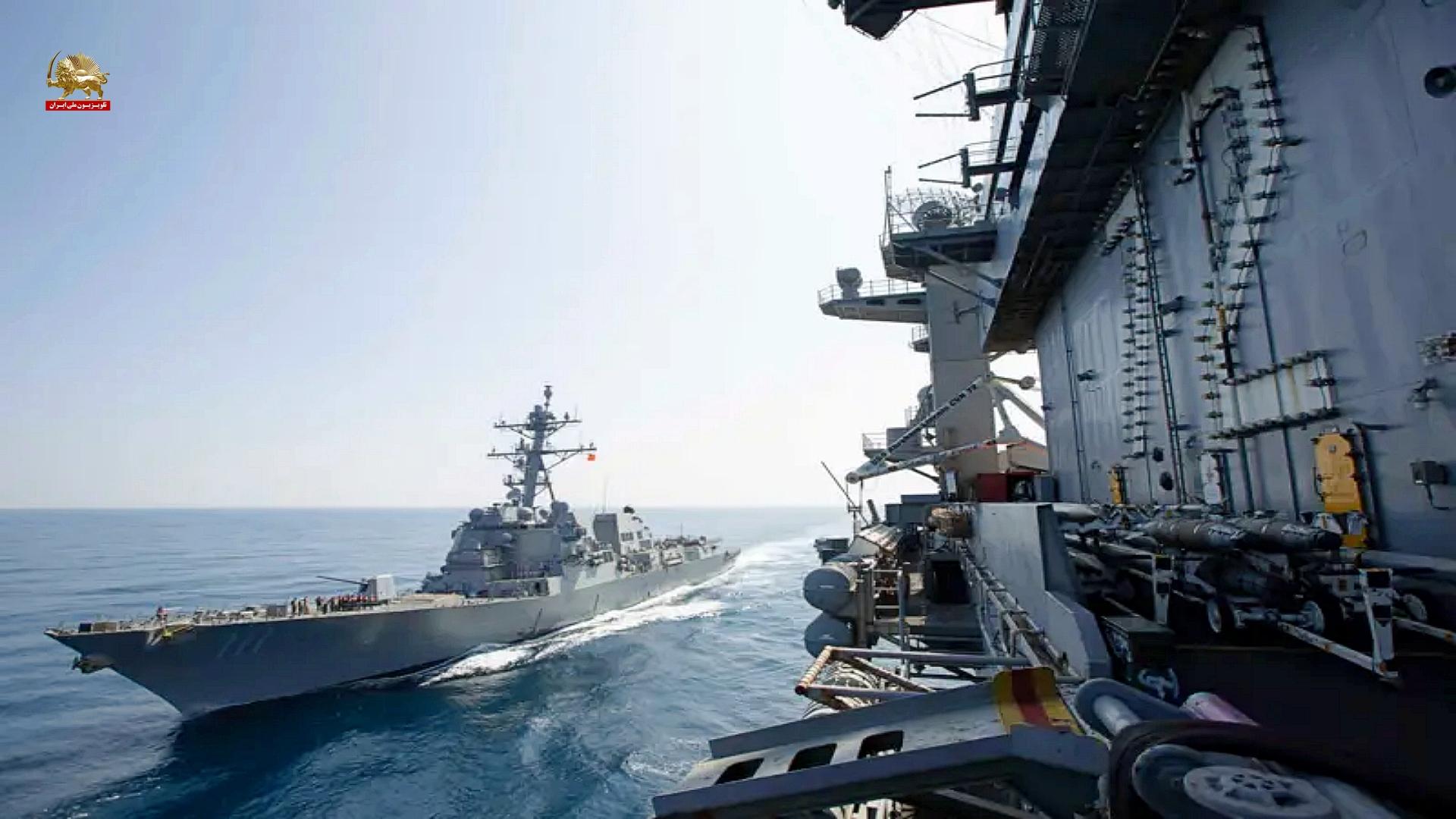
Iran Kills One, Wounds Dozens in Missile and Drone Attack on Kuwait International Airport
12 sources compared
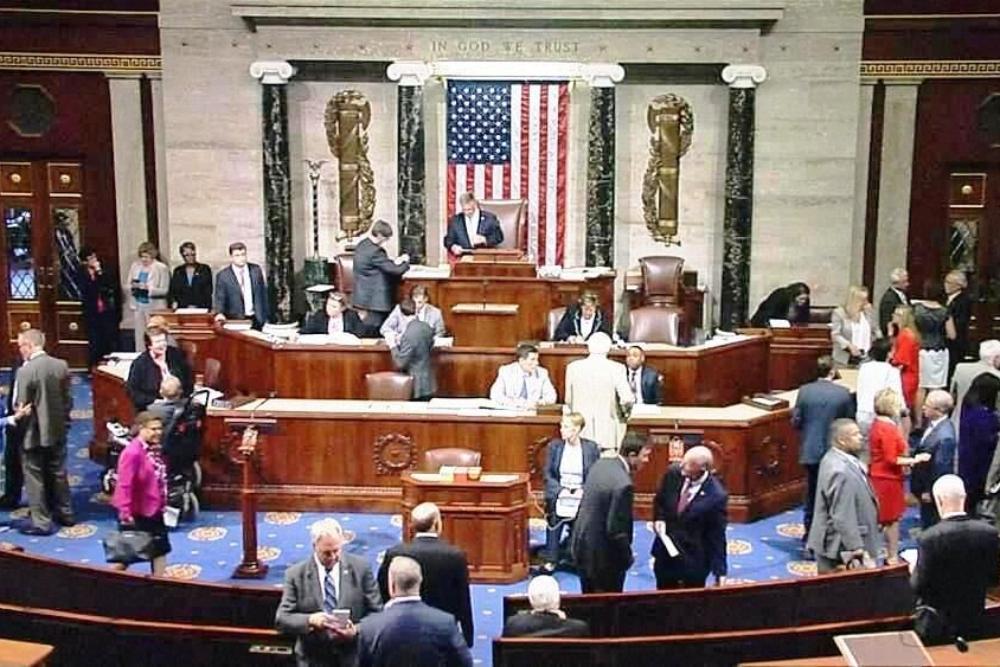
House Passes War Powers Resolution Directing Donald Trump To End Hostilities With Iran
16 sources compared

Iran Strikes Kuwait International Airport, Killing One and Wounding Dozens
19 sources compared

Iranian Missile And Drone Attack Kills One, Wounds Dozens At Kuwait International Airport
17 sources compared