
Hezbollah Secretary-General Naim Qassem Credits Resistance Sacrifices for Lebanon Ceasefire
Key Takeaways
- Ceasefire credited to sacrifices of resistance fighters on the front lines.
- Iran's support for the resistance contributed to Lebanon's ceasefire.
- Naim Qassem, Hezbollah Secretary General, spoke on the ceasefire.
Ceasefire credits and claims
Hezbollah Secretary-General Sheikh Naim Qassem said the ceasefire “would not have been possible without the sacrifices of the resistance fighters on the front lines,” framing the outcome as the product of battlefield performance and resistance pressure.
“Sunday, 19/04/2026 ArEnFrEs [](http://almanar”
In a message released on Saturday night, Qassem also thanked “the heroes of the resistance who blocked the advance of the Israeli enemy despite the deployment of 100,000 soldiers on the borders,” according to Mehr News Agency.
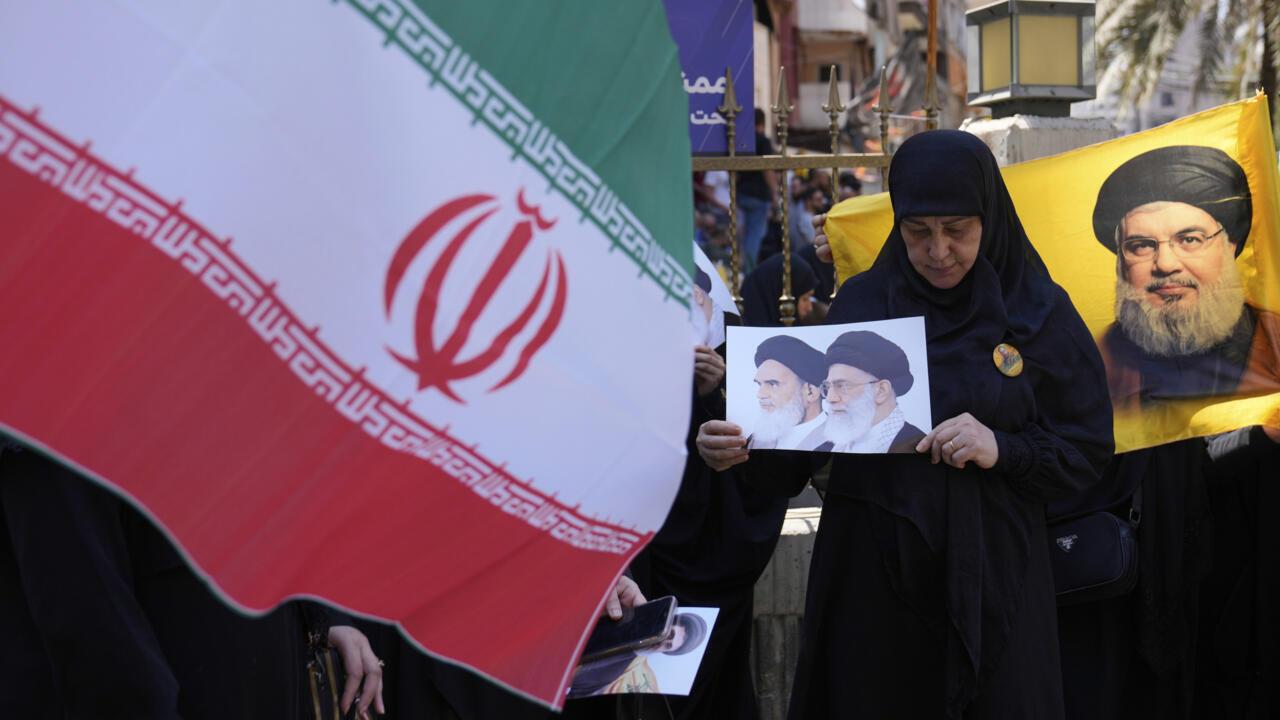
Al-Manar TV Lebanon echoed the same core claim, stating that “The ceasefire would not have been possible without the sacrifices of the resistance fighters on the front lines.”
PressTV similarly described Hezbollah’s posture after the ceasefire announcement, saying the group’s fighters still had their “hand on the trigger” and were monitoring “any enemy sabotage.”
The same PressTV report said Hezbollah reviewed “45 days of resistance against Israeli forces,” and claimed it struck Israeli targets “during the period,” with an “average of 49 operations per day.”
Together, the sources present the ceasefire as something achieved through resistance sacrifices and continued leverage rather than through a negotiated disengagement alone.
Lebanon shifts to talks
While Hezbollah-linked outlets credited resistance sacrifices for the ceasefire, Lebanese political leadership described a transition toward negotiations for longer-term arrangements.
Ommcom News reported that Lebanese President Joseph Aoun said Lebanon “has entered a new phase focused on negotiating permanent agreements” to safeguard “the rights of its people, the unity of its territory, and the sovereignty of the state.”

In the same address, Aoun said the country was moving “from ceasefire implementation efforts toward a broader stage aimed at securing long-term stability,” and he voiced confidence that these efforts would “save Lebanon.”
Ommcom News also quoted Aoun attributing the ceasefire to “collective efforts and sacrifices by the Lebanese people,” including those “who remain in frontline areas,” alongside “sustained diplomatic engagement with international and regional partners.”
Aoun said negotiations were “not a sign of weakness or retreat,” but “a sovereign decision to protect Lebanon’s interests, prevent further loss of life, and end displacement.”
He outlined objectives for the upcoming phase, including “halting Israeli attacks on Lebanese territory,” “ensuring the withdrawal of Israeli forces,” “securing the return of prisoners,” and “enabling the safe return of displaced citizens.”
At the same time, Ommcom News reported that Wafiq Safa, a high-ranking member of Hezbollah’s political council, told BBC Arabic in Beirut that “Hezbollah will never ever disarm,” and that “we cannot talk about Hezbollah’s weapons” until multiple conditions are met, including “the withdrawal of Israel” and “the return of prisoners.”
Hezbollah’s conditions and monitoring
PressTV described Hezbollah’s immediate posture after the 10-day ceasefire announcement, saying the group was monitoring for “any enemy sabotage” while keeping its fighters ready.
“In a message released on Saturday night, Hezbollah's Secretary General appreciated Iran's support for the resistance, emphasizing that the ceasefire in Lebanon would not have been possible without the legendary performance of the resistance fighters”
In a statement carried by Hezbollah’s Al-Manar TV, the group said Israel’s “killing machine” failed to prevent resistance fighters from carrying out their duties, even as it claimed Israel used “brutality and intelligence capabilities.”
PressTV also stated that Hezbollah said its fighters struck Israeli targets “in occupied Palestine during the period,” and that it hit “Israeli settlements and areas deep inside occupied Palestine, including beyond Tel Aviv.”
The report said Hezbollah’s fighters reviewed “45 days of resistance against Israeli forces,” and claimed an “average of 49 operations per day.”
PressTV further attributed the ceasefire to external pressure and diplomatic dynamics, saying a Lebanese parliamentarian and member of the Loyalty to the Resistance bloc emphasized that the implemented ceasefire was achieved as a result of “clear Iranian pressure.”
It added that MP Hussein al-Hajj Hassan said “continuous communications between Saudi Arabia and the Islamic Republic of Iran played a role,” and that Hassan Fadlallah said Iran’s ambassador in Beirut informed Lebanese officials that a ceasefire would begin Thursday night.
PressTV also reported that Hezbollah issued a cautionary message urging supporters to exercise restraint, quoting the group: “we call upon you to exercise restraint and not head to the targeted areas in the South, the Bekaa, and the southern suburb of Beirut until the course of events becomes fully clear.”
Immediate violations and casualty tolls
Even as the ceasefire took effect, PressTV reported immediate challenges on the ground, including continued bombardment of southern towns.
It said Lebanon’s National News Agency (NNA) reported that “Israeli bombardment of two southern towns continued despite the truce,” naming “Khiam and Dibbine” in the south.
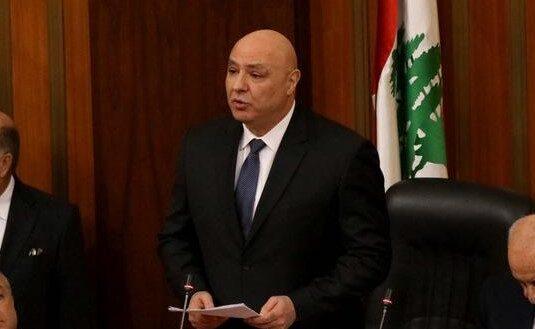
PressTV quoted NNA’s urgent report, stating: “The bombardment of the towns of Khiam and Dibbine in the south continues by the enemy after the implementation of the ceasefire.”
PressTV also said the NNA reported “intense drone activity by the enemy over Rashaya and the western slopes of Mount Hermon” in the southeast, while not providing details on damage or casualties.
Ommcom News provided a casualty figure for Lebanon, reporting that Lebanon’s Public Health Ministry said Friday has killed “2,294 in Lebanon, including 100 paramedics and healthcare workers.”
The same Ommcom News report also said the fragile truce collapsed on March 2, when Hezbollah launched rockets toward Israel in support of Iran, triggering intensified Israeli airstrikes across Lebanon.
It further stated that a 10-day ceasefire between Israel and Lebanon took effect at midnight between Thursday and Friday local time (2100 GMT), and it added that Lebanon’s Al-Manar TV reported that Israel launched a drone strike in southern Lebanon on Friday, killing one person.
Gaza-linked war framing
While the ceasefire coverage in these sources centers on Lebanon, the war’s wider regional context is repeatedly tied to Gaza and to claims about Israeli attacks.
“Beirut: Lebanese President Joseph Aoun said that Lebanon has entered a new phase focused on negotiating permanent agreements to safeguard the rights of its people, the unity of its territory, and the sovereignty of the state”
The saba.ye feed includes “A Palestinian killed in an Israeli attack on a displaced persons camp in northern Gaza,” placing a specific death within the broader conflict narrative.
Another saba.ye entry repeats “A Palestinian killed during an Israeli attack on a displacement camp in northern Gaza,” and pairs it with a “Preliminary toll from the Israeli aggression: 2,294 martyrs and 7,544 injured,” citing Lebanon’s Ministry of Health figures.
The same saba.ye material also says “Red Cross: Thousands of patients in Gaza are suffering; hospitals are on the brink of collapse,” linking the humanitarian situation in Gaza to the ongoing fighting.
PressTV’s report, meanwhile, describes Hezbollah’s claimed strikes “in occupied Palestine,” including “beyond Tel Aviv,” and it presents those actions as part of “45 days of resistance against Israeli forces.”
France 24’s analysis, although framed as an explanation for Hezbollah restraint, explicitly references the Gaza solidarity context by describing Hezbollah’s entry into action “in solidarity with residents of Gaza and in support of Hamas, which Benjamin Netanyahu has vowed to annihilate after the October 7 attacks.”
France 24 also quotes Hezbollah Secretary-General Naïm Qassem saying, “We are not neutral and we will act as we deem appropriate in response to this barbaric Israeli-American aggression [against Iran, editor's note],” and it notes that the ceasefire agreement stipulates Hezbollah must withdraw its fighters north of the Litani River, “about 30 kilometers from the Israeli border.”
More on Gaza Genocide
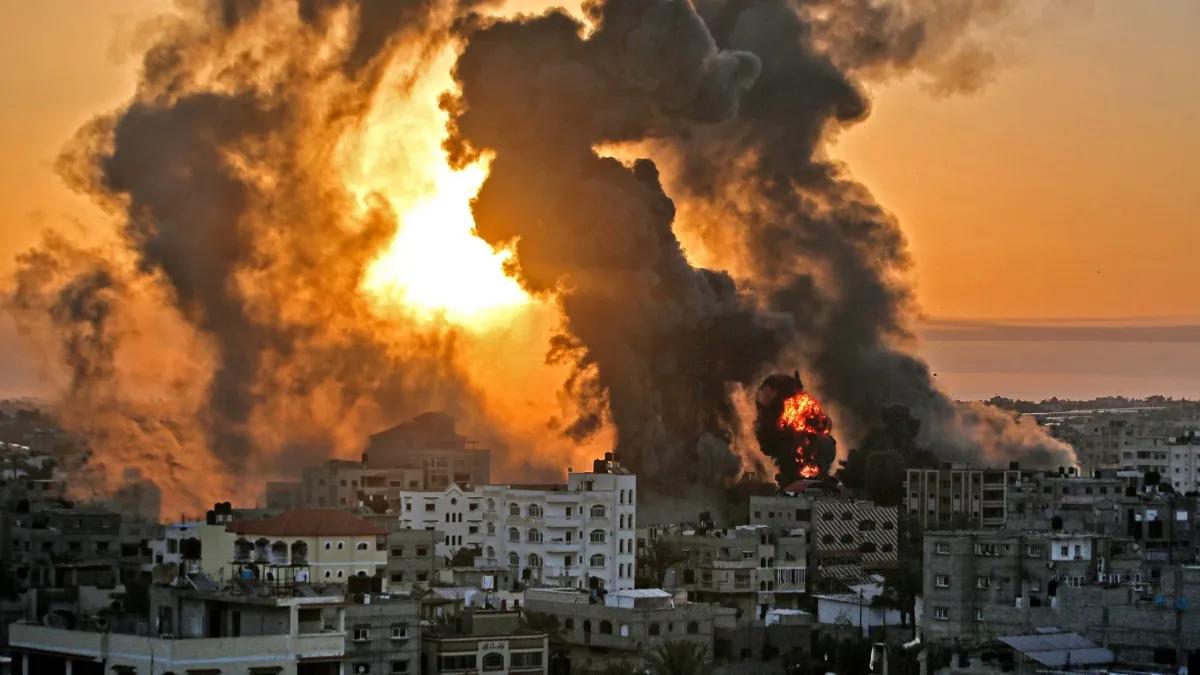
Israeli Attacks Push Gaza Death Toll to 72,551, Injuries Reach 172,274
10 sources compared

EU Foreign Ministers Postpone Sanctions Against Israel Over Gaza and West Bank
11 sources compared
UNICEF Outraged After Israeli Forces Kill Two Water Truck Drivers in Northern Gaza
19 sources compared
Trump’s Gaza Peace Council Talks Paused After US-Iran War Breaks Out
10 sources compared