Hi there,
Key Takeaways
- Cuba's electrical grid collapsed, triggering an island-wide blackout.
- Three months without oil shipments due to a U.S. blockade worsens humanitarian crisis.
- Trump advocates taking Cuba; sanctions described as killing people.
Crisis: blackout and sanctions impact
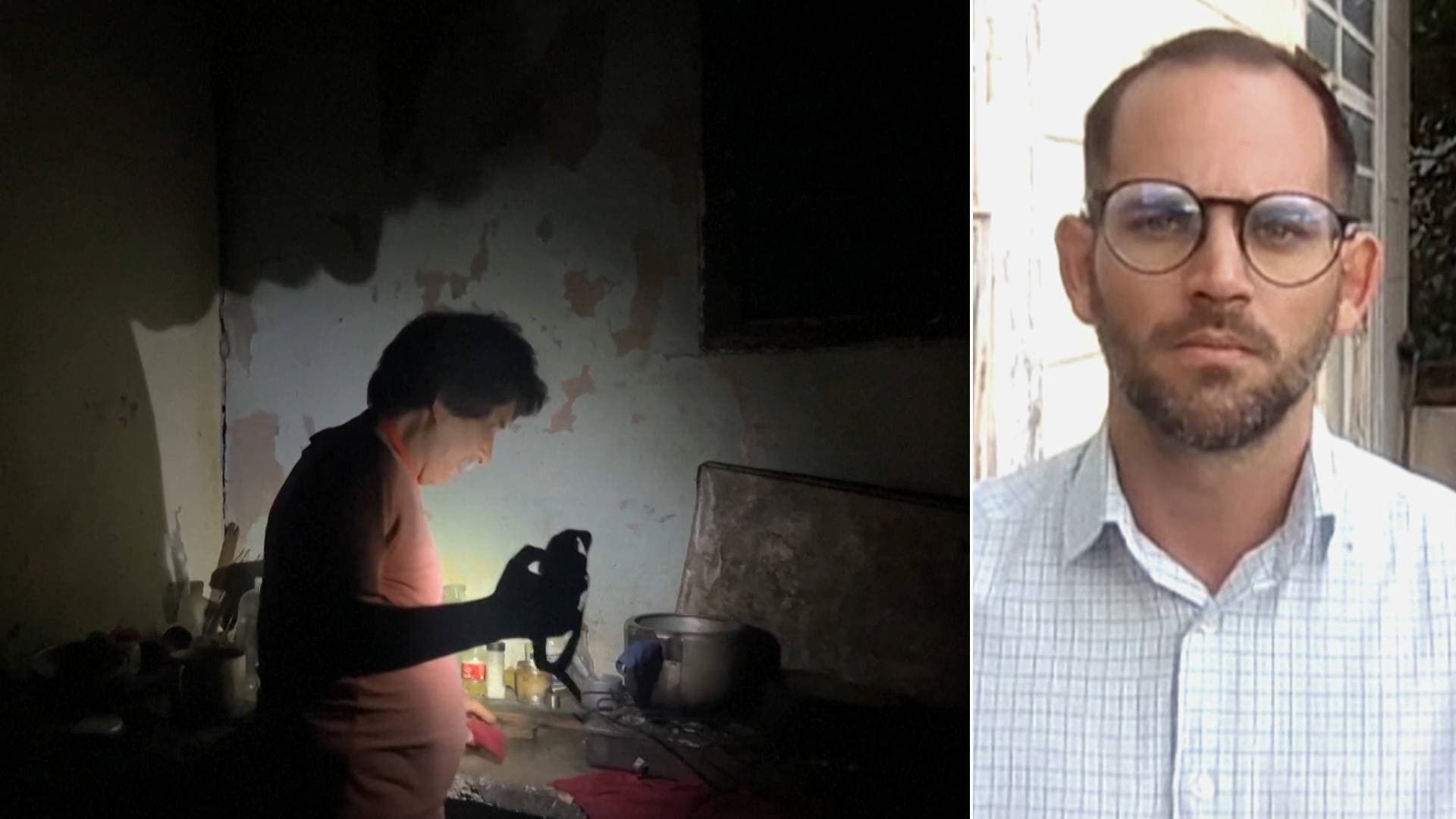
Cuba plunged into an island-wide blackout after the national electricity grid collapsed on Monday, the third and largest outage in about four months as the U.S. oil blockade has cut off desperately needed fuel.
“Guests Cuba’s electrical grid has collapsed”
No oil shipments have reached Cuba in more than three months, compounding a humanitarian crisis caused by decades of U.S. sanctions.
Cuban journalist Daniel Montero said sanctions are killing people right now and described the situation as regime change through starvation.
Trump’s stance and Cuban response
The New York Times reported on Monday that Trump’s negotiators told Cuban counterparts that Cuban President Miguel Díaz-Canel must be removed from power, and Trump spoke from the White House about taking Cuba, describing it as a great honor and suggesting he could do anything he wants with the country.
In Havana, Daniel Montero argued that negotiations cannot start with the premise of regime change, saying the means would be Cuban suffering and deaths.
He linked the oil embargo to worsening conditions and said the United States is pursuing regime change through starvation.
Investment opening and local sentiment
Cuba’s government announced it would allow Cuban Americans to own businesses and invest on the island, a move that was described as a positive development by many.
“Guests Cuba’s electrical grid has collapsed”
Observers noted that Cuba has been gradually opening up to outside investment for the past 15 years, and this change did not surprise most people listening to the news.
Sara Kozameh, a historian at the University of California, San Diego who recently visited Cuba, said the eastern regions face harsher conditions than Havana, with longer blackouts and fewer resources, and that Cubans broadly reject Trump’s approach and would not consent to U.S.-led interference.
Solidarity, quake, and outlook
Montero argued that international solidarity is more important than ever, especially as Cuba faces the oil embargo and a hostile U.S. narrative, and he welcomed a convoy headed to Cuba from groups like Progressive International and CodePink.
He said the symbolic value of international support matters and that any assistance is welcome.
Sara Kozameh added that Cubans are a highly educated population who understand the maneuvers and tactics and would fight back against outside interference; she noted that the government’s negotiations with the United States had left people blindsided.
An earthquake measuring magnitude 5.8 struck Cuba’s east, further compounding hardship for residents already coping with rolling blackouts.
More on USA
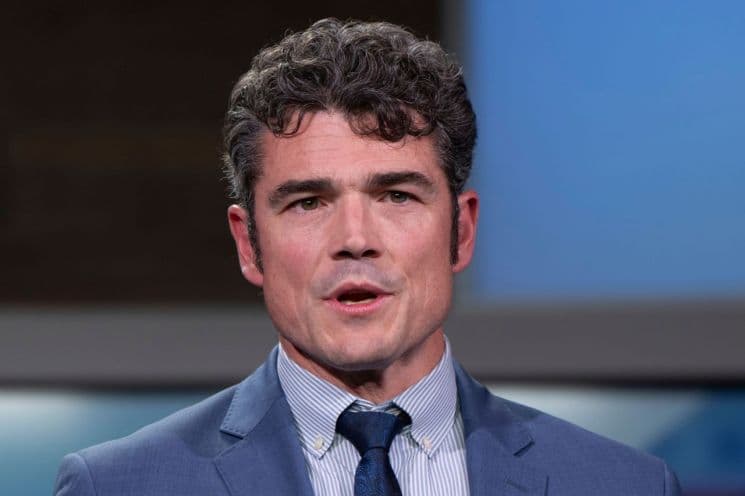
FBI investigates Joe Kent, former National Counterterrorism Center director, for allegedly leaking classified information.
81 sources compared

Lt. Gov. Juliana Stratton Wins Illinois Democratic Senate Primary to Replace Durbin
171 sources compared

Senators Grill Mullin Over DHS Nomination as Intel Officials Testify on Top Threats
91 sources compared

César Chávez Faces Sexual Abuse Allegations, Including Rape of Dolores Huerta and Other Survivors
34 sources compared