USA26 February, 20262 min read
Hillary Clinton Calls House Oversight Republicans' Epstein Deposition 'Political Theater'
Hillary Clinton testified before the House Oversight Committee in Chappaqua, New York She told lawmakers she had no knowledge of Epstein or Maxwell's criminal activities

10 outlets told this the same way.
Outlets did split on Trump Interrupted by Protesters at San Antonio Rally for Ken Paxton →
Clintons' closed-door testimony
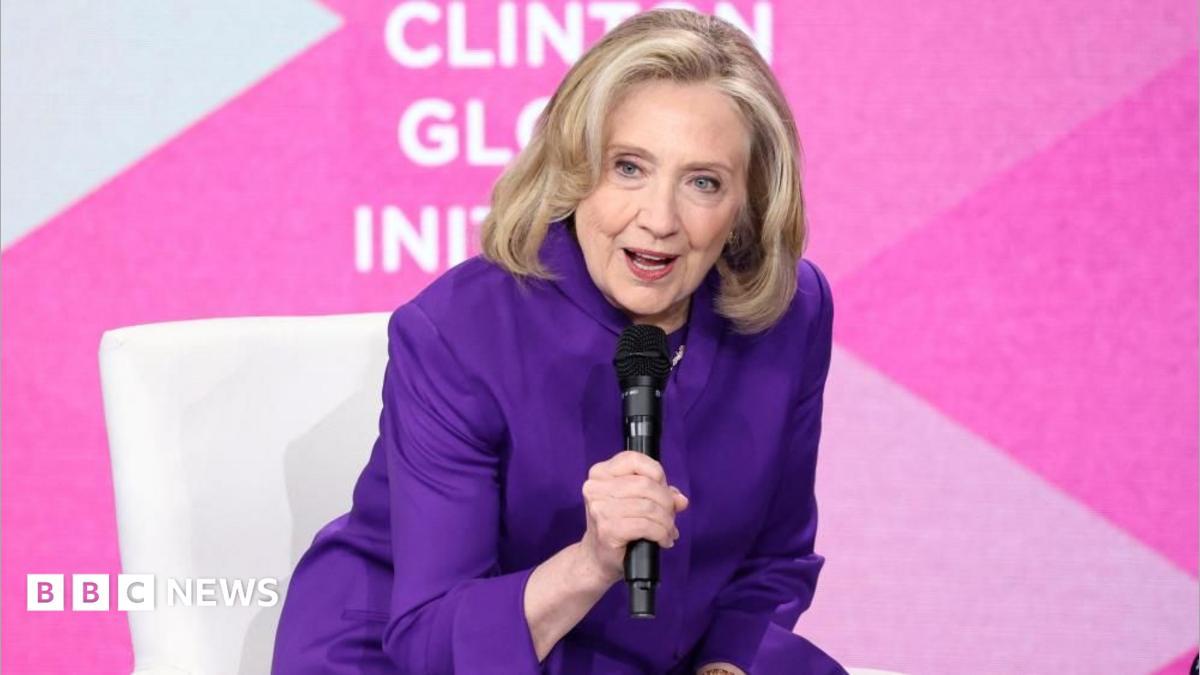
Hillary Clinton — identified in reporting as the former Secretary of State — gave closed-door testimony to the House Oversight Committee in Chappaqua, New York.
“Former Secretary of State Hillary Clinton testified Thursday behind closed doors to the House Oversight Committee in Chappaqua, New York, telling lawmakers in a prepared opening statement that she had ‘no idea’ about Jeffrey Epstein or Ghislaine Maxwell’s criminal activities.”
In a prepared opening statement, she said she had "no idea" about Jeffrey Epstein or Ghislaine Maxwell’s criminal activities and that she "do[es] not recall ever encountering Mr. Epstein."

She and Bill Clinton agreed to testify privately to avoid contempt proceedings.
The sessions were filmed or recorded and are expected to produce transcripts and video that committee leaders say will be released after legal review.
Bill Clinton’s testimony was scheduled for the following day.
Congressional dispute over Epstein probe
Republican chair Rep. James Comer framed the hearings as an investigative victory, saying the committee sought to probe Epstein’s wealth and connections rather than accuse the Clintons of wrongdoing.
He indicated the committee would release transcript and video after attorneys review them.
Democrats countered that the subpoenas and the timing were part of a partisan effort to pressure the Clintons and to deflect attention toward President Trump.
Several Democrats joined Republicans in supporting contempt actions earlier in the process to keep pressure on the inquiry.
Clinton and Epstein reporting
Forbes lays out specific acknowledgements about Bill Clinton, saying he "has acknowledged associating with Epstein in the 2000s and taking multiple flights on Epstein's jet" while denying visits to Epstein's island and asserting those flights were for foundation work. Forbes also cites Maxwell's DOJ interview saying Clinton "was my friend, not Epstein's friend" and that he "never, absolutely never went" to the island.
“Bill Clinton has acknowledged associating with Epstein in the 2000s and taking multiple flights on Epstein’s jet, which he says were for Clinton Foundation work; he denies wrongdoing, says he cut off contact in 2005, and denies visiting Epstein’s private island.”
The Guardian and CBS note the committee's interest in those records and files released by the Justice Department. Tabloids point to the volume of mentions of Hillary in Epstein materials while not equating mentions with culpability.
Clintons' depositions and reactions
Procedurally, the depositions were recorded and the committee indicated it will review and then release video and transcripts. The Clintons had earlier been subpoenaed, missed earlier interview dates, faced contempt threats, and ultimately agreed in February to give closed depositions at their home.
Committee leaders said they planned to post updates during the sessions. Democrats criticized the public-interest calculation and called some of the moves political, while other Democrats worked across the aisle to keep investigative momentum.
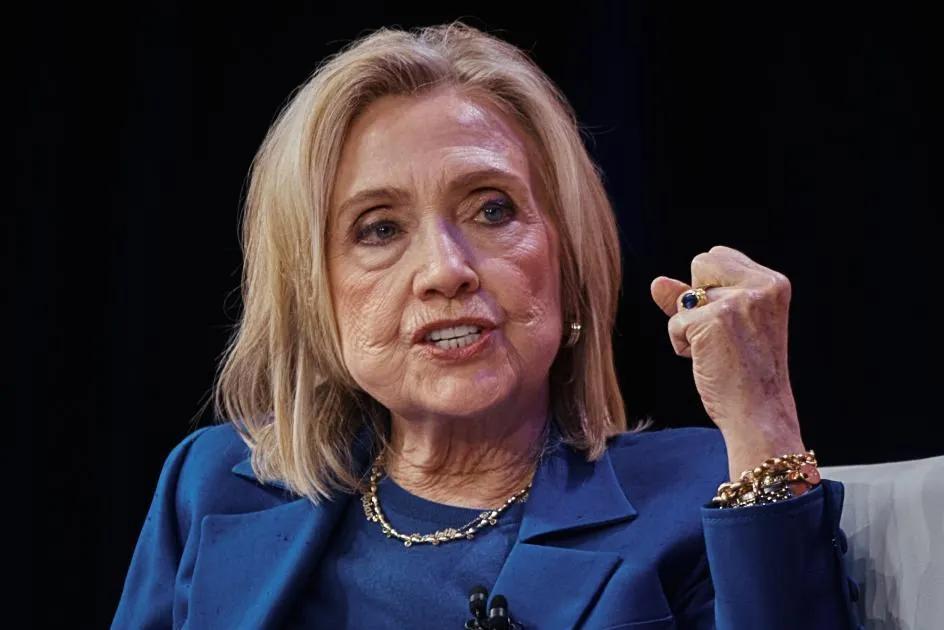
Clinton deposition coverage
Taken together, the sources present a consistent core account: closed, filmed depositions in Chappaqua; the Clintons’ denials of knowledge of Epstein’s crimes; scheduling and review of transcripts and video; and a partisan political dispute over motive. The accounts vary by emphasis: mainstream outlets foreground procedural facts and quotes from Comer and the Clintons; regional and TV reporting highlights cross-party Democratic choices to press for transparency; and tabloid outlets stress sensational metrics from the Epstein files. That variation shapes how readers perceive whether the hearings are 'political theater' as Hillary Clinton described them.
“Clinton accused the panel of politicizing the probe to protect Republicans and President Trump and said Republicans should question Trump under oath if they were serious about Epstein.”