Full Analysis Summary
New National Police Service
The Home Office has announced the creation of a National Police Service described in media as a 'British FBI', aiming to centralise investigations into terrorism, fraud and organised crime across England and Wales while retaining the ability to operate across the UK.
According to the BBC, the new body will absorb work from organisations such as the National Crime Agency and regional organised crime units, and will bring together counter-terror policing (currently led by the Metropolitan Police), the National Air Service and national roads policing under one organisation.
The government frames the move as modernising policing to better match contemporary threats and to allow local officers to focus on everyday crime by freeing them from major crime work.
Proposed National Policing Service
The NPS is planned to cover England and Wales, will have authority to operate across the whole UK, be led by a national police commissioner as the country's most senior police chief, and will take on functions such as buying technology on behalf of all forces.
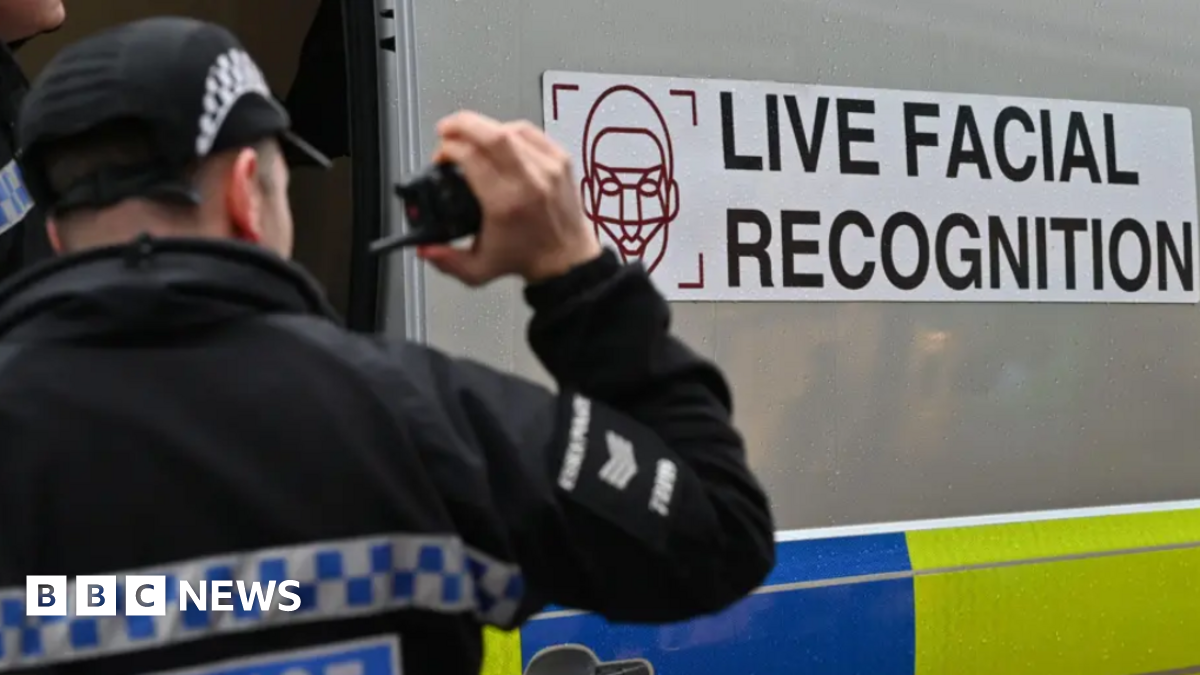
The Home Office says this central purchasing will include tools such as facial recognition technology, which it says have helped secure arrests.
The proposal also includes setting national standards, providing training, and sharing intelligence and resources in staged steps to equalise security across the country.
Privacy and surveillance debate
The proposal brings privacy and civil-liberties issues into focus.
The Home Office says purchases of technologies such as facial recognition have helped secure arrests.
The BBC reports that campaigners warn of bias and privacy risks.
This tension between tools the government views as effective and the concerns raised by campaigners is central to debates about centralising surveillance-capable technologies under a single national body.
UK police reform proposals
The Home Office is packaging the NPS within a wider suite of reform proposals.
The BBC reports plans to reduce 43 territorial police forces to 12 'mega' forces, introduce a licensing scheme for police officers, and give greater ministerial powers over chiefs deemed to be failing.
National Crime Agency director Graeme Biggar is quoted backing the changes as necessary to match modern threats, signaling at least some buy-in from national law enforcement leadership.
BBC framing of NPS reform
The BBC frames the NPS as a major centralising reform intended to modernise policing and respond to contemporary threats.
It also flags civil-liberties concerns around technology and notes structural shifts such as fewer police forces and expanded ministerial oversight.
Because only BBC reporting is available here, this account cannot capture alternative framings, stronger civil-liberties critiques, local policing perspectives, or political opposition lines that other sources might provide.
Those omissions should be addressed before drawing fuller conclusions.