Crime09 December, 20252 min read
Home Office Scraps Survivors' Panel at Centre of Grooming Gangs Inquiry
This article is an automated aggregation of coverage from news outlets. Our editorials offer in-depth analysis curated by the NewsCord team.
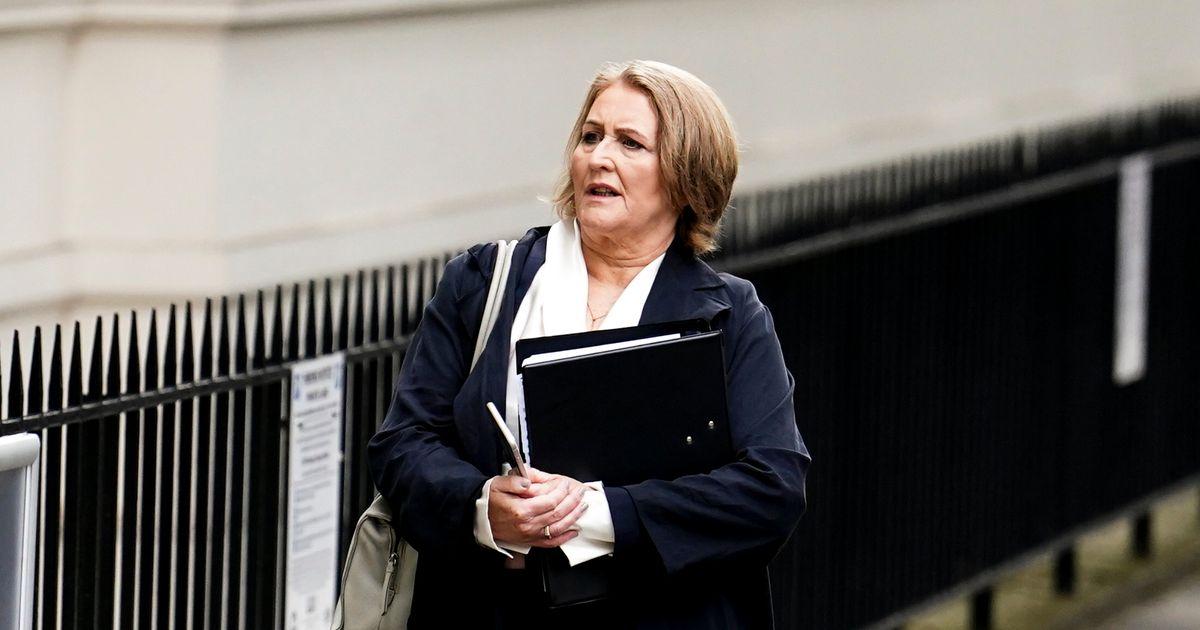
Baroness Anne Longfield appointed chair of a three-year statutory independent inquiry Home Office will disband the survivors' panel
8 outlets told this the same way.
National child exploitation inquiry
The government has launched a statutory national inquiry into group-based child sexual exploitation with full legal powers, a three-year timescale and a draft £65 million budget. The inquiry will explicitly examine whether ethnicity, religion or cultural factors affected offending and official responses. A three-person expert panel — Baroness Anne Longfield CBE, Zoë Billingham CBE and Eleanor Kelly CBE — will work directly with victims and survivors and pursue trauma-informed, victim-centred investigations.
“The government has launched a statutory inquiry into grooming gangs with full legal powers to compel evidence, require documents, make recommendations, and pass any prosecutable evidence to the police.”
The Home Office says additional funding will bolster policing and support. Local investigations, including at least one in Oldham, will be part of the inquiry, and ministers have said no area will be able to "resist" a local probe, with evidence passed to police where new criminality is uncovered.

Inquiry survivor panel status
Reports differ sharply on the status and centrality of the inquiry's survivors' (victim liaison) panel. The Mirror reports that five women resigned from the inquiry's victim liaison panel and that chair candidates pulled out amid a dispute over the inquiry's scope, portraying the panel as a focal point of crisis.
By contrast, the official GOV.UK summary and local reporting describe a three-person expert panel intended to work directly with victims and survivors and to pursue victim-centred investigations, suggesting the process will continue despite the resignations. This leaves an ambiguous picture: survivors' representatives have publicly distanced themselves, while ministers insist the inquiry will still have victim engagement built in.

Inquiry scope and focus
Mainstream reporting and the official summary emphasise the inquiry’s scope and remit, including examination of offenders' backgrounds, ethnicity and religion, and new requirements on police recording. GOV.UK and the BBC note the inquiry will explicitly examine how ethnicity, religion and cultural factors affected both perpetrators and official responses, and ministers have commissioned new research and signalled a law change to require police to collect ethnicity data. Local reporting and the Irvine Times say the inquiry will seek systemic and leadership failings and will oversee local investigations such as in Oldham.
“It will explicitly examine how ethnicity, religion and cultural factors affected both perpetrators and official responses.”
Media responses and tone
Political reactions and reporting tone differ across outlets. The BBC records mixed political responses, including demands for apologies and statements from opposition and Conservative figures, and highlights weaknesses in national ethnicity data that complicate analysis. The Mirror adopts a strongly emotive stance, calling to 'root out this evil once and for all'.
It also warns against allowing the crimes of a minority to demonise whole communities. The Irvine Times underscores the inquiry's remit to identify leadership failings and cooperate with police.

Media coverage differences
This summary explains how differences in news coverage shape public understanding. Some outlets deliver granular official detail, for example GOV.UK and the BBC. Local or civic-minded sources such as the Irvine Times emphasize impartiality and local oversight.
“The inquiry is funded with £65 million, must conclude within three years, and its draft terms of reference will be consulted on and finalised by March.”
Tabloids like The Mirror foreground emotive appeals and survivor outrage. Two provided snippets—Metro and Mirage News—contain little or no relevant article text.
Metro only includes a privacy line, and Mirage News signals it could not access the article. These gaps and variations in reporting can limit public understanding and produce uneven narratives.