Britain02 March, 20262 min read
Home Secretary Shabana Mahmood Imposes Temporary Refugee Status, Forces Asylum Seekers Into Never-Ending Limbo
This article is an automated aggregation of coverage from news outlets. Our editorials offer in-depth analysis curated by the NewsCord team.
Refugee status will be temporary, lasting 30 months, replacing permanent status Asylum grants will be reviewed every 30 months, risking forced returns if countries deemed safe
9 outlets told this the same way.
UK asylum rules overhaul
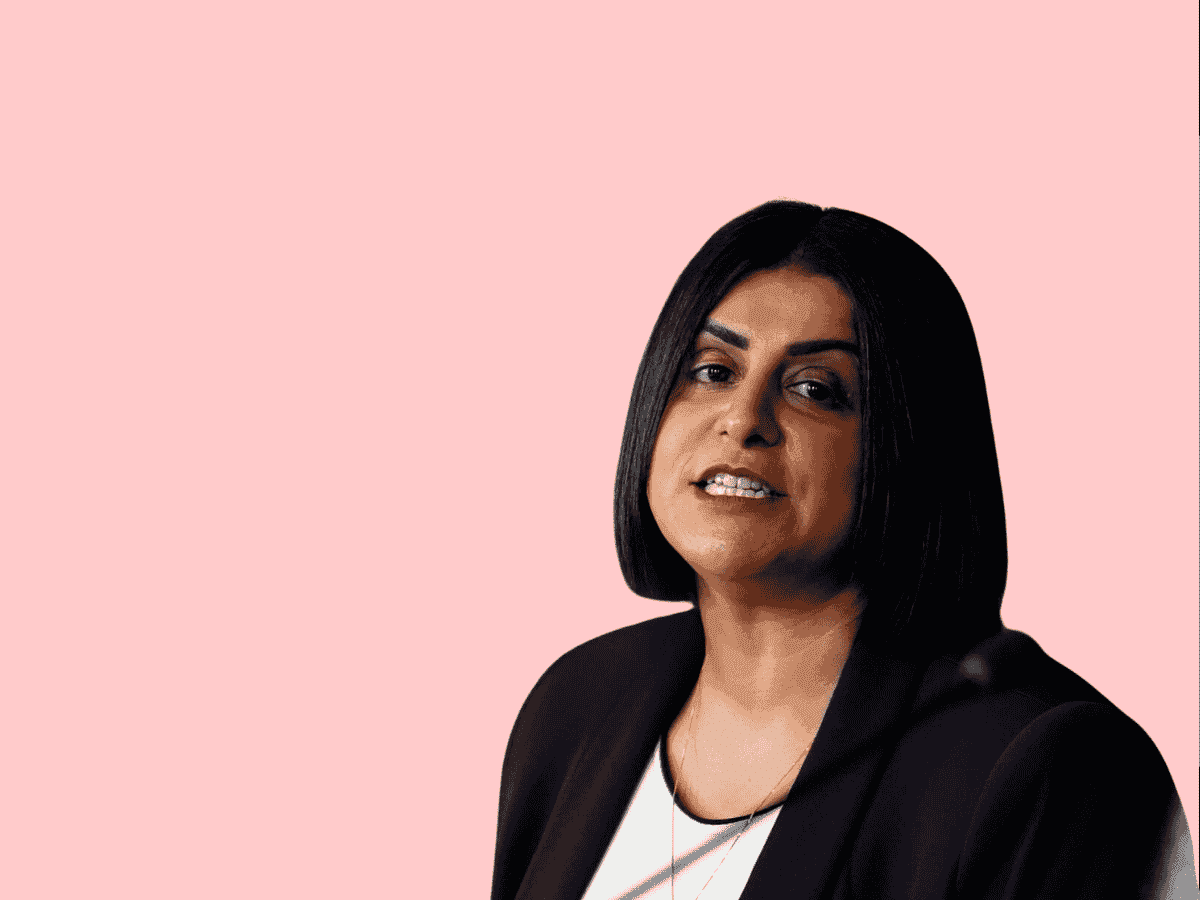
Home Secretary Shabana Mahmood has announced a major overhaul of UK asylum rules that replaces long-term refugee status with temporary protection. Adults and accompanied children granted asylum will receive 30 months' leave rather than the previous five years, with reviews after 30 months and an expectation that those from countries judged "safe" may be required to return.
“Home Secretary Shabana Mahmood announced new UK asylum rules, effective Monday, that make refugee status temporary for new claimants: adults and accompanied children granted 30 months’ leave rather than the previous five years. After 30 months those in continued need can seek renewal, but people from countries the government deems ‘safe’ may be expected to return. The change is not retrospective and applies only to new applicants. Mahmood also said the qualifying period for settlement will be doubled to ten years for certain foreign nationals.”
The change takes effect on Monday/2 March and is not retrospective, applying only to new applicants. The government also said it will double the qualifying period for settlement to ten years for certain foreign nationals.

Migration policy rationale
The government frames the move as a response to public concern about migration and dangerous crossings and as a tool to reduce 'pull factors' and people-smuggling. Ministers point to Denmark's tougher, time-limited system as a model that has cut asylum claims. Mahmood and the Home Office argue the reforms are necessary to cut illegal migration and curb people-smuggling and have presented the shifts as 'firm but fair.'
Criticism of asylum reforms
Refugee charities, human-rights groups and campaigners warn the reforms will impose chronic uncertainty and harm vulnerable people. Critics describe the policy as a "dark day" and say it will hinder integration.
“Human-rights groups and refugee charities condemned the move as a ‘dark day,’ warning that frequent renewals will create uncertainty, hinder integration and require expensive re-checks of claims.”
They say it will create expensive re-checks and put groups such as LGBTQ+ asylum seekers at "constant risk". Some organisations call the approach "horribly inhumane" and argue temporary leave creates a form of permanent limbo for traumatised people.
Asylum policy implementation details
Successful asylum seekers must either have permission renewed every 30 months or switch to alternative visa routes with associated fees. Unaccompanied children will continue to receive five years' leave while a longer approach is developed.
The Home Office says it will use tougher age assessments, including AI tools. The changes will be implemented via an amendment to the Immigration Rules.

Asylum policy pressure
The announcement comes amid electoral and parliamentary pressure on Labour. The government cites falling asylum figures in 2025 but faces warnings from its own MPs and city leaders about pushing ahead.
“The move, framed by Mahmood as responding to concerns among traditional Labour voters about pressure on public services, follows pressure on the party after poor byelection results ... Government data show just over 100,000 asylum claims in 2025 (4% down on 2024), about half via unauthorized routes.”
Commentators flagged a possible backbench rebellion and public figures such as London Mayor Sadiq Khan have warned against the approach. The Home Office points to Channel crossings and Denmark’s results as part of its rationale.
