Crime22 October, 20252 min read
Home Secretary Vows Inquiry Will Expose Grooming Gangs as Survivors Quit Panel Over Cover-Up Fears
Three grooming gang survivors resigned from the inquiry panel citing a toxic environment and broken trust. Survivors criticized shortlisted inquiry chairs for conflicts of interest and attempts to broaden the inquiry’s scope.
22 outlets told this the same way.
Inquiry into Grooming Gangs
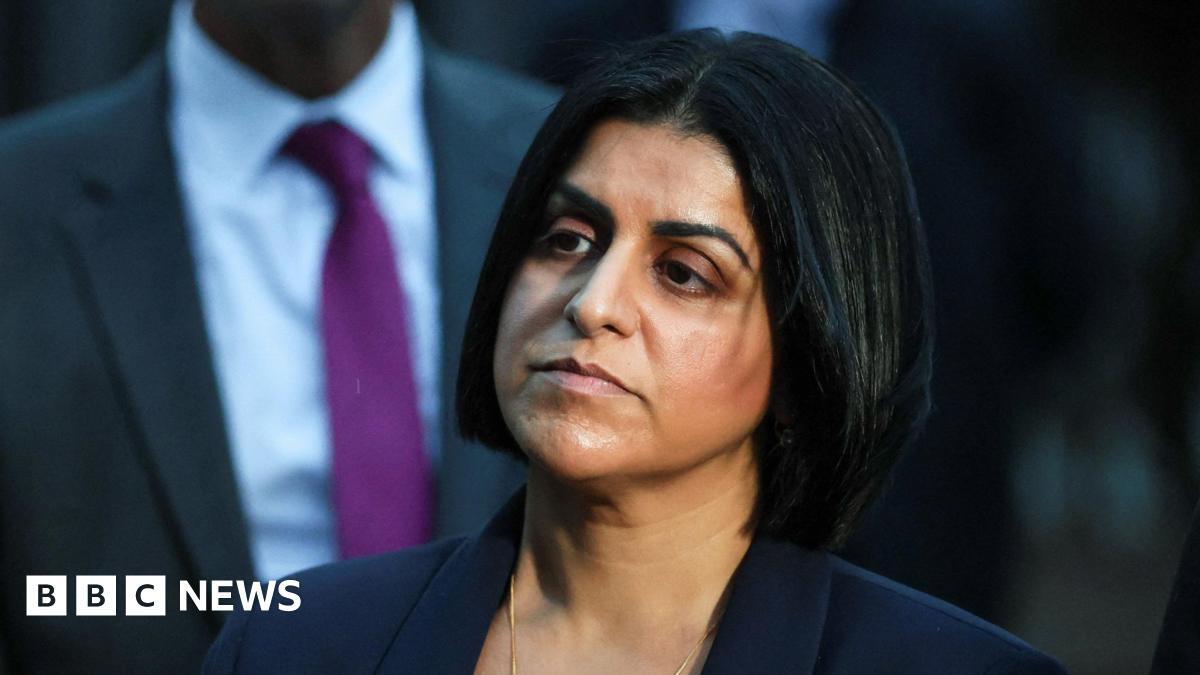
Home Secretary Shabana Mahmood vowed the national inquiry into grooming gangs will be “focused and uncompromising.” She pledged it will leave “no hiding place” for offenders and will not broaden beyond group-based child sexual abuse. This commitment comes even as survivors quit over what they call a toxic process.
“Mahmood emphasised that the probe's scope will not be broadened beyond group-based child sexual abuse and vowed it would leave 'no hiding place' for perpetrators.”
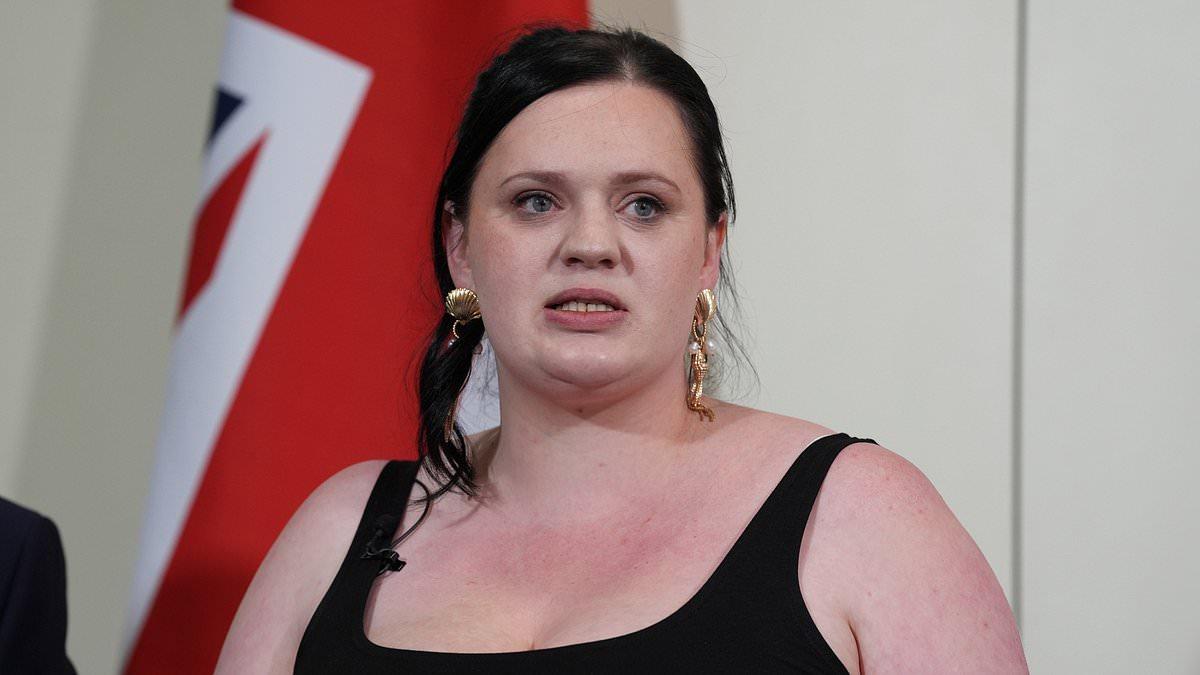
Within days, three survivors – Fiona Goddard, Ellie‑Ann/Ellie Reynolds and “Elizabeth” – resigned. They cited a “toxic, fearful environment,” claims of mishandling, and even a “cover‑up of a cover‑up.”

The inquiry still has no chair after Annie Hudson withdrew. This has intensified concern about delays and the inquiry's independence.
Debate Over Investigation Scope
A central clash is over scope: survivors and some campaigners say officials are trying to broaden the brief beyond grooming gangs in ways that downplay racial and religious motivations. Ministers insist the remit will stay tightly focused. Sky News reports resignations linked to fears the remit was being broadened to blunt the role of race and religion.
The Guardian highlights proposed expansions in West Yorkshire that survivors warn could dilute focus and delay justice. By contrast, lbc.co.uk and Jess Phillips state the scope will not be widened beyond group-based child sexual abuse.
Inquiry Leadership Controversy
Leadership and independence are flashpoints in the inquiry process. Shortlisting former police officer Jim Gamble and social worker Annie Hudson provoked survivors’ claims of conflicts of interest, described as 'letting services mark their own homework.' There were demands for a judge-led inquiry as a result.
“The national inquiry... shortlisting former police officer Jim Gamble and social worker Annie Hudson... survivors... cited conflicts of interest... 'letting services mark their own homework.'”
Hudson then withdrew from the process; some outlets say she stepped down after media scrutiny, while others report she gave no reason. Conservatives including Chris Philp and Robert Jenrick urged the appointment of a senior judge.
Ministers insist the process remains victim-focused and deny that the inquiry is being weakened. The London Evening Standard adds that Jim Gamble is currently the only candidate.
Allegations of Secrecy and Response
Survivors allege secrecy, control, and marginalisation in the process. One outlet reports the process felt “scripted and predetermined.” Another describes a “secretive, scripted, and controlling environment.”
Local coverage quotes a survivor calling it “a cover‑up of a cover‑up.” Some have accused ministers of dismissing or even lying about their concerns and have called for resignations. Officials reject claims of dilution or cover‑up.

The Home Office says it will scrutinise cultural or religious factors where relevant. It is also gathering ethnicity data to address public concerns.
Inquiry Process and Challenges
The process and timeline remain unsettled. The Guardian reports that four months after launch there is no chair and key terms are still under negotiation. The Irish Sun notes disputes about whether to extend beyond street-based grooming gangs to regional sexual abuse.
“Disputes continue over the inquiry’s scope, including whether to extend beyond street-based grooming gangs to cover regional sexual abuse cases.”
Downing Street has denied a crisis even as other outlets describe the process as descending into chaos. Officials continue to stress dedication to victims and efforts to appoint a new chair. Some coverage highlights the inquiry’s independent management by a specialist charity.
