Other25 December, 20252 min read
Honduran Electoral Council Declares Trump-Backed Nasry Asfura President Amid Allegations Of Electoral Fraud
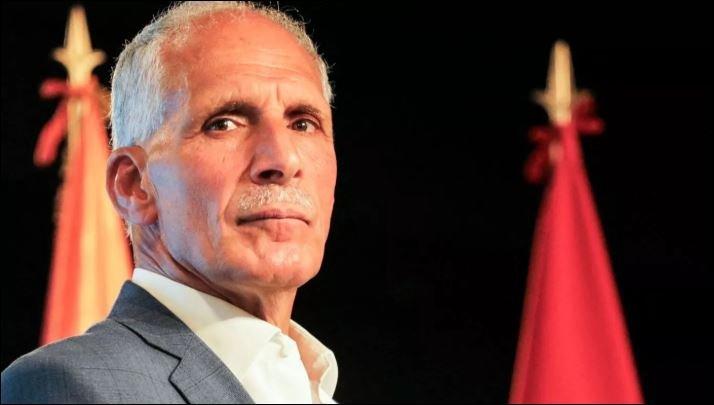
Nasry Asfura of the conservative National Party declared winner of Honduras presidential election Asfura won roughly 40.3% to Nasralla’s 39.5%, margin about 28,000 votes
47 outlets told this the same way.
Honduras election result
Honduras' National Electoral Council (CNE) declared conservative National Party candidate Nasry Tito Asfura the winner of the Nov. 30 presidential vote after a prolonged, contested count.
“Donald Trump–backed candidate Nasry ‘Tito’ Asfura has been declared the winner of Honduras’s presidential election after a vote count that dragged on for almost a month and was marred by fraud allegations and complaints of U.S. interference.”
The CNE gave him roughly 40.27-40.3% of the vote compared with Salvador Nasralla's roughly 39.5%.

The declaration ended weeks of uncertainty and prompted celebrations from Asfura's supporters and quick congratulations from international allies.
Multiple reports note the CNE announcement was made more than three weeks after the vote and in some cases was signed by only two council members.
Official tally figures cited range slightly but consistently around Asfura 40.27-40.3% and Nasralla about 39.5%.
Election count disruptions
The final result followed a chaotic, interrupted count: reports across outlets cite technical outages, a crash of the electoral‑results portal, and a special manual review of roughly 15% of tally sheets that slowed certification and provoked protests. Observers and journalists note the count was repeatedly delayed by technical glitches and by manual checks of thousands of protocols, and that access to stored ballot sheets was at times blocked by protests organized by LIBRE supporters. Several outlets underline that these procedural problems were central to the dispute over whether the CNE certified the vote prematurely.
U.S. influence in Honduran vote
U.S. involvement loomed large in coverage.
“The campaign was further clouded by U.S. President Donald Trump’s late-November intervention, when he publicly backed Asfura and warned two days before the Nov. 30 vote that U.S. aid could be cut if Asfura did not win.”
Many outlets reported that former U.S. President Donald Trump publicly endorsed Asfura shortly before the vote, threatened punitive measures if the result were overturned, and pardoned ex-president Juan Orlando Hernández.
Critics said those actions amounted to undue interference.
U.S. officials from the Republican-aligned camp, including Senator Marco Rubio, quickly congratulated Asfura and urged acceptance of the certified result to ensure a peaceful transition.
Other commentators and the defeated campaign denounced the timing and tone of U.S. interventions.
Honduras election dispute
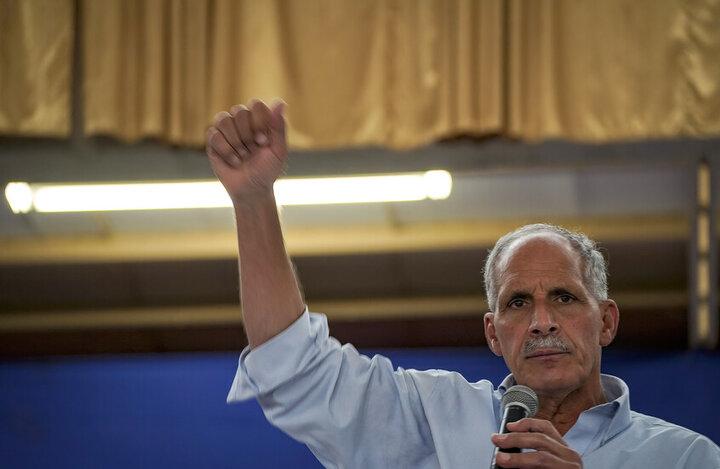
Opposition leaders and the ruling LIBRE movement rejected the CNE declaration. Salvador Nasralla refused to concede and alleged fraud and 'forgery of public documents'.
LIBRE representatives and Honduras's congress president described the move as illegal or an 'electoral coup' and filed formal complaints. Several observers warned that unresolved doubts, whether procedural, technical or political, risk damaging the incoming government's credibility if not addressed through legal channels or transparent audits.
Honduras election implications
Many outlets frame Asfura's narrow win as part of a rightward swing in Latin America. They suggest his pro-business platform could alter Honduras's foreign policy, including a possible switch in diplomatic recognition between Taiwan and China. Other commentators warn that legitimacy concerns may hamper governance and international credibility.
“Asfura... signaled a possible shift of Honduras’ diplomatic recognition from Taiwan to China.”
Coverage also notes allegations and open investigations into Asfura's past municipal administration, which he calls politically motivated. Observers say how the new administration handles transparency will shape Honduras's domestic stability and diplomatic alignments.